Old Testament
Psalms 129:6
Read the Bible in clear, modern English—easy to understand, faithful to the meaning, and written for everyday readers.
May they be like grass on the housetops, which withers before it grows up —
Compare translations
Let them be as the grass upon the housetops, which withereth afore it groweth up:
What Psalms 129:6 means
Plain-English insight for readers
In this verse, the psalmist uses the imagery of grass growing on rooftops to illustrate a point about the fate of the enemies of Israel. Grass that grows on rooftops is often short-lived and withers quickly due to lack of soil and water. This metaphor suggests that those who oppose God's people will not thrive or endure; their efforts will be futile and temporary. The psalmist is expressing a desire for the enemies to be like this grass, emphasizing that they will not have lasting success or impact. This verse reflects a broader theme of divine justice, where God protects His people and ensures that those who seek to harm them will ultimately fail. It serves as a reminder of the transitory nature of opposition against God’s chosen and the assurance that God’s plans will prevail.
How to apply Psalms 129:6 to your life
This verse encourages believers to trust in God's protection and justice. When facing opposition or challenges, remember that those who oppose God's will ultimately do not prosper. Instead of fearing adversaries, focus on faith and the assurance that God will uphold His people and their purpose.
Curated for this public verse page. Psalms Summary
Explore more of the Bible
Learn the Bible through its people and places
Get to know the people in Scripture through illustrated stories, and explore the places where they lived and traveled.

Illustrated scene from Esther's story: Esther Becomes Queen (Esther 2:1–18)
Meet the people of the Bible
Follow their lives in order, with illustrated scenes and Bible passages that tell their stories.
 Esther
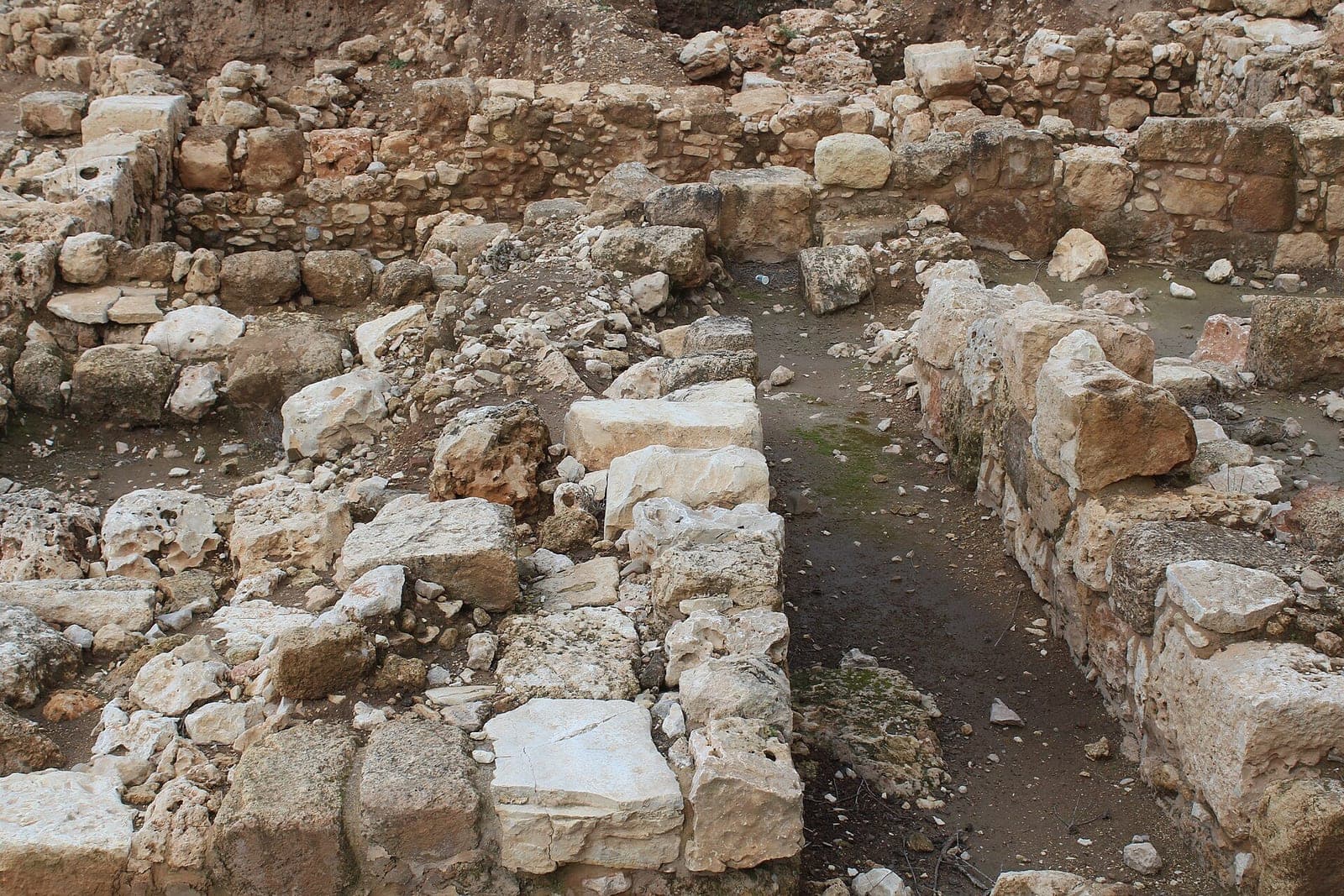
Photo: Deror Avi, via Wikimedia Commons. License: CC BY-SA 4.0. Source. Location: Tel Shiloh archaeological site, West Bank. Resized for the web.
Explore the places of the Bible
See where biblical events happened, why each place matters, and what archaeology helps us understand.
Shiloh
Where Israel set up the tabernacle, and where God called the boy Samuel.
Get full access with one subscription
Explore the people and places of the Bible. Read summaries of every book, with images and clear explanations covering every chapter. Access all these features and our Bible study tools with one subscription.
See PlansAsk AI about Psalms 129:6
Ask a question about this verse and get a clear answer, with Bible references you can read for yourself.
Every Bible book, explained chapter by chapter
Explore summaries of every book of the Bible, with images and easy-to-understand explanations covering every chapter.
Keep studying Psalms 129:6
Related Bible verses
Key themes
At a Glance — the Book of Psalms
- Author
- David, Asaph, the sons of Korah, Solomon, and others
- Written
- Around 1000-500 BC
- Genre
- Poetry and worship
- Original Audience
- Worshipers of Israel
Frequently Asked Questions
Quick, clear answers about this verse
What does Psalms 129:6 mean?
Psalms 129:6 uses the imagery of grass on rooftops to illustrate that those who oppose God's people will not thrive. Just as grass withers quickly without proper soil and water, the enemies of Israel will face futility and temporary success.
What is the meaning of grass on the housetops in Psalms 129:6?
The grass on the housetops symbolizes the short-lived nature of opposition against God's people. It suggests that enemies will not have lasting success and will ultimately fade away.
How does Psalms 129:6 relate to divine justice?
Psalms 129:6 reflects divine justice by assuring that God protects His people and that their adversaries will not prosper. It emphasizes that opposition to God's will is ultimately futile.
What themes are present in Psalms 129:6?
Key themes in Psalms 129:6 include divine justice, the futility of opposition, and the protection of God's people. The verse also highlights the transience of enemies and offers hope and assurance to believers.
Daily Verse — straight to your inbox
A verse and a 2-sentence plain-English explanation, every morning. Free. Unsubscribe anytime.