Old Testament
Psalms 22:29
Read the Bible in clear, modern English—easy to understand, faithful to the meaning, and written for everyday readers.
All those who are fat upon earth shall eat and worship; all who go down to the dust shall bow before him, and none can keep alive his own soul.
Compare translations
All they that be fat upon earth shall eat and worship: all they that go down to the dust shall bow before him: and none can keep alive his own soul.
What Psalms 22:29 means
Plain-English insight for readers
This verse highlights the universal nature of worship and submission to God. It suggests that regardless of one's status or condition in life, all people will ultimately recognize God's authority. Those who are prosperous ('fat upon earth') will worship Him, and even those who die ('go down to the dust') will bow before Him. The phrase 'none can keep alive his own soul' emphasizes human vulnerability and the reality that life is ultimately in God's hands. This serves as a reminder that no matter how powerful or wealthy one may be, everyone is subject to God's will and must acknowledge Him. The verse encapsulates the idea that worship is not limited to the living or the prosperous; it is a fundamental response to God's sovereignty that transcends life and death.
How to apply Psalms 22:29 to your life
This verse encourages us to recognize our dependence on God, regardless of our circumstances. It reminds us to worship Him in all aspects of life, acknowledging that our existence and well-being are ultimately in His hands. We should cultivate a heart of gratitude and reverence, understanding that true life comes from Him alone.
Curated for this public verse page. Psalms Summary
Explore more of the Bible
Learn the Bible through its people and places
Get to know the people in Scripture through illustrated stories, and explore the places where they lived and traveled.

Illustrated scene from David's story: Samuel Anoints David (1 Samuel 16:1–13)
Meet the people of the Bible
Follow their lives in order, with illustrated scenes and Bible passages that tell their stories.
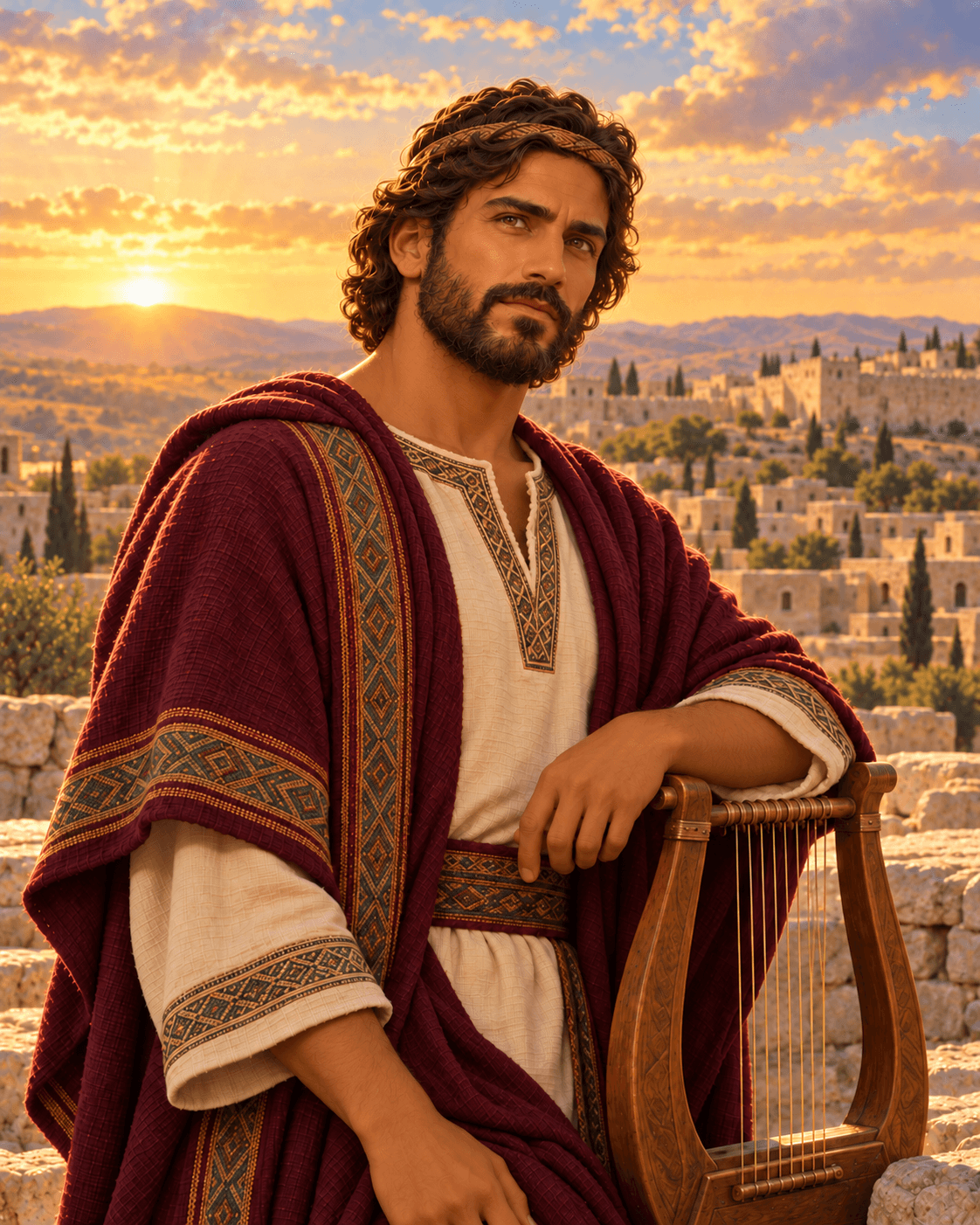 David
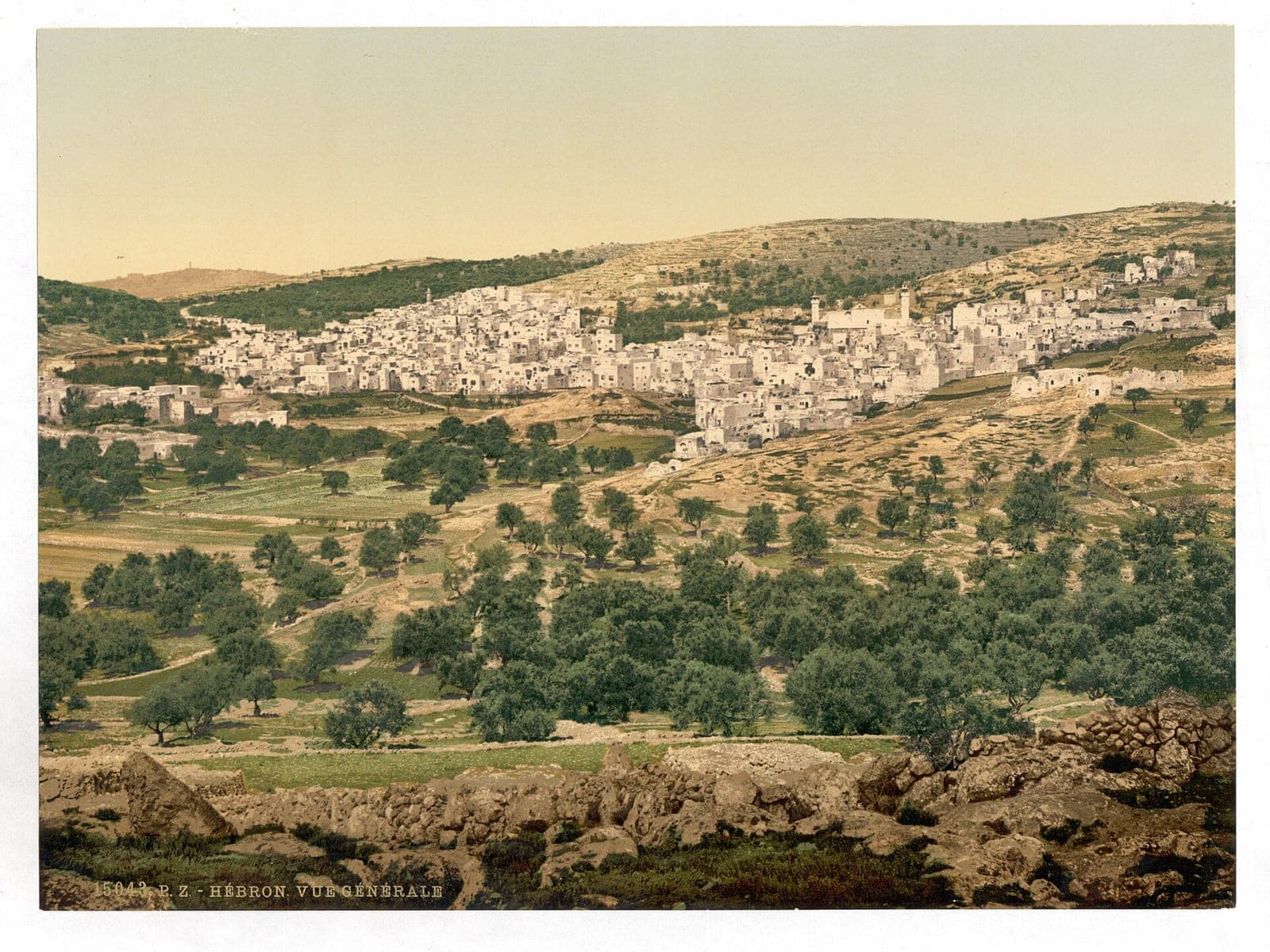
Photo: Photochrom print, Library of Congress Prints and Photographs Division (LCCN 2002724987). License: Public domain in the United States; Library of Congress states no known restrictions on publication. Source. Location: Hebron, West Bank; print preserved by the Library of Congress. Resized for the web.
Explore the places of the Bible
See where biblical events happened, why each place matters, and what archaeology helps us understand.
Hebron
Where Abraham lived and buried Sarah, and where David was first made king.
Get full access with one subscription
Explore the people and places of the Bible. Read summaries of every book, with images and clear explanations covering every chapter. Access all these features and our Bible study tools with one subscription.
See PlansAsk AI about Psalms 22:29
Ask a question about this verse and get a clear answer, with Bible references you can read for yourself.
Every Bible book, explained chapter by chapter
Explore summaries of every book of the Bible, with images and easy-to-understand explanations covering every chapter.
Keep studying Psalms 22:29
Related Bible verses
Key themes
Related topics
At a Glance — the Book of Psalms
- Author
- David, Asaph, the sons of Korah, Solomon, and others
- Written
- Around 1000-500 BC
- Genre
- Poetry and worship
- Original Audience
- Worshipers of Israel
Frequently Asked Questions
Quick, clear answers about this verse
What does Psalms 22:29 mean?
Psalms 22:29 emphasizes that all people, regardless of their status or condition, will ultimately recognize God's authority. It highlights that both the prosperous and the deceased will bow before Him, underscoring human vulnerability and dependence on God.
What is the meaning of 'fat upon earth' in Psalms 22:29?
'Fat upon earth' refers to those who are prosperous or well-off in life. The verse suggests that even those who seem powerful or wealthy will ultimately worship God, acknowledging His sovereignty over all.
What does 'go down to the dust' signify in Psalms 22:29?
'Go down to the dust' signifies death and the inevitability of mortality. The verse indicates that even in death, all will bow before God, reinforcing the idea that His authority transcends life.
What is the main message of Psalms 22:29?
The main message of Psalms 22:29 is the universal nature of worship and submission to God. It reminds us that regardless of our life circumstances, we are all ultimately subject to God's will.
Daily Verse — straight to your inbox
A verse and a 2-sentence plain-English explanation, every morning. Free. Unsubscribe anytime.