Old Testament
Psalms 83:9
Read the Bible in clear, modern English—easy to understand, faithful to the meaning, and written for everyday readers.
Do to them as to the Midianites, as to Sisera, as to Jabin at the brook of Kishon,
Compare translations
Do unto them as unto the Midianites; as to Sisera, as to Jabin, at the brook of Kison:
What Psalms 83:9 means
Plain-English insight for readers
In this verse, the psalmist is asking God to deal with Israel's enemies in the same way He dealt with the Midianites, Sisera, and Jabin. These were historical figures who led armies against Israel and were defeated by God's power. The psalmist recalls these events to emphasize the need for divine intervention against those who threaten God's people. By invoking these past victories, the psalmist expresses confidence that God can and will protect His people from their adversaries. This plea reflects a deep reliance on God's justice and power, highlighting the belief that God is capable of delivering His people from oppression and ensuring their safety. The mention of specific enemies serves to remind the audience of God's past faithfulness and the importance of seeking His help in times of trouble. Overall, this verse encapsulates a cry for justice and protection, rooted in the historical context of God's deliverance.
How to apply Psalms 83:9 to your life
When facing challenges or threats, we can turn to God for help, just as the psalmist did. Remembering God's past faithfulness can strengthen our faith and encourage us to seek His guidance and protection in our lives today.
Curated for this public verse page. Psalms Summary
Explore more of the Bible
Learn the Bible through its people and places
Get to know the people in Scripture through illustrated stories, and explore the places where they lived and traveled.

Illustrated scene from Joseph, Jacob's son's story: Joseph Is Born (Genesis 30:22–24)
Meet the people of the Bible
Follow their lives in order, with illustrated scenes and Bible passages that tell their stories.
 Joseph, Jacob's son
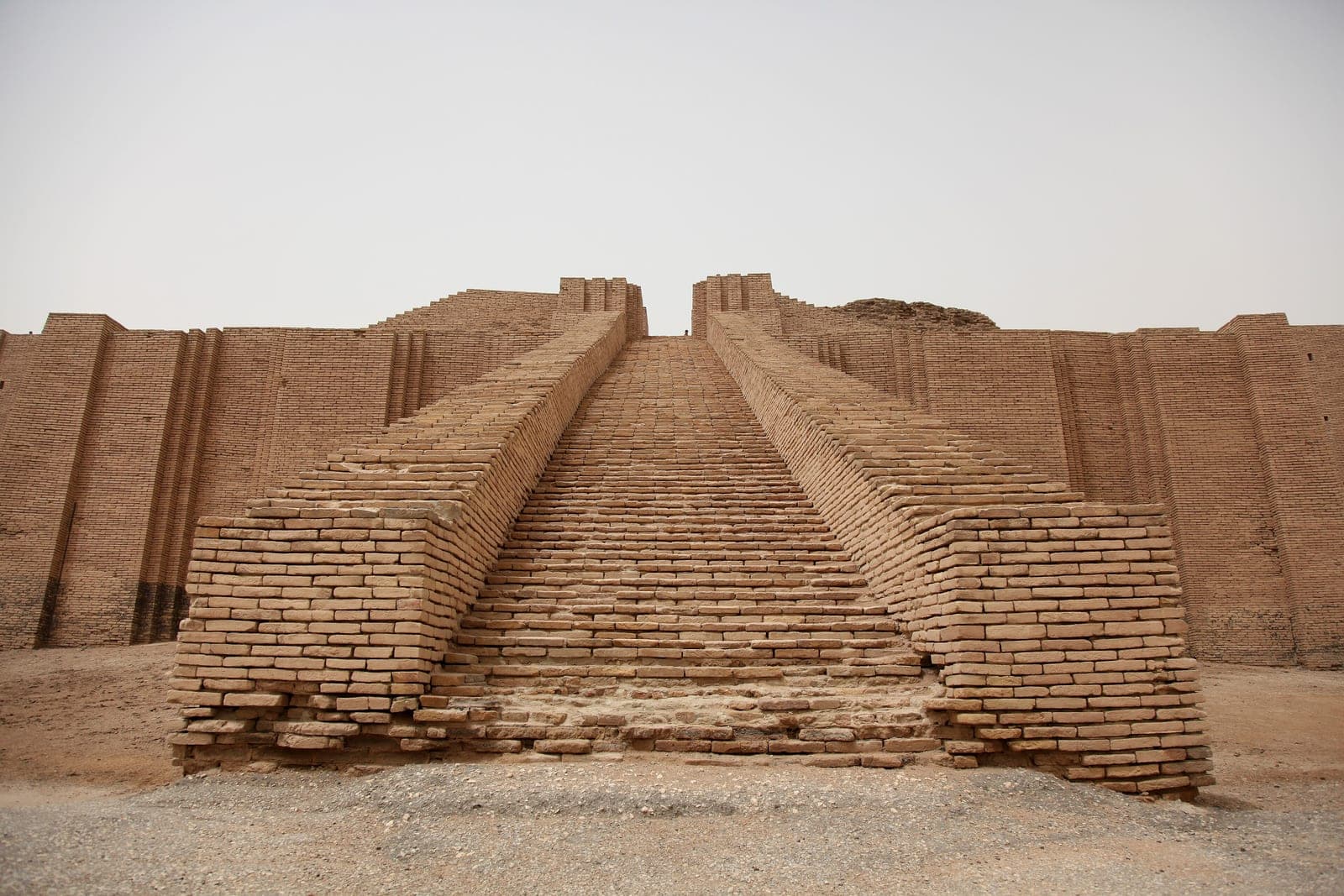
Photo: U.S. Army photo by Spc. Samantha R. Ciaramitaro, via DVIDS and Wikimedia Commons. License: Public domain in the United States — U.S. federal-government work. Source. Location: Great Ziggurat, Ur Archaeological City (Tell el-Mukayyar), Dhi Qar Governorate, Iraq. Resized for the web.
Explore the places of the Bible
See where biblical events happened, why each place matters, and what archaeology helps us understand.
Ur
The city Abram's family left to travel toward Canaan.
Get full access with one subscription
Explore the people and places of the Bible. Read summaries of every book, with images and clear explanations covering every chapter. Access all these features and our Bible study tools with one subscription.
See PlansAsk AI about Psalms 83:9
Ask a question about this verse and get a clear answer, with Bible references you can read for yourself.
Every Bible book, explained chapter by chapter
Explore summaries of every book of the Bible, with images and easy-to-understand explanations covering every chapter.
Keep studying Psalms 83:9
Related Bible verses
Key themes
Related topics
At a Glance — the Book of Psalms
- Author
- David, Asaph, the sons of Korah, Solomon, and others
- Written
- Around 1000-500 BC
- Genre
- Poetry and worship
- Original Audience
- Worshipers of Israel
Frequently Asked Questions
Quick, clear answers about this verse
What does Psalms 83:9 mean in context?
Psalms 83:9 is a plea from the psalmist asking God to handle Israel's enemies as He did with historical adversaries like the Midianites, Sisera, and Jabin. These figures represent significant threats to Israel, and their defeat showcases God's power and justice. The psalmist recalls these events to invoke God's past interventions, emphasizing the need for divine help against current foes and reinforcing the belief that God will protect His people.
Who are the Midianites, Sisera, and Jabin?
The Midianites were a nomadic tribe that oppressed Israel during the time of the judges, notably defeated by Gideon. Sisera was the commander of Jabin's army, defeated by the Israelite leader Deborah and Jael. Jabin was a king of Canaan who waged war against Israel. These historical figures symbolize the enemies of Israel and serve as reminders of God's deliverance and power in overcoming oppression.
How can I apply Psalms 83:9 to my life?
You can apply Psalms 83:9 by turning to God in prayer when facing challenges or threats. Just as the psalmist sought God's intervention, you can express your reliance on Him for protection and justice. Reflecting on God's past faithfulness can strengthen your faith and encourage you to seek His guidance in difficult times, trusting that He is capable of delivering you from your adversities.
What themes are present in Psalms 83:9?
Psalms 83:9 encompasses several key themes, including Divine Justice, where the psalmist seeks God's fair judgment against enemies; Historical Remembrance, recalling God's past victories to inspire faith; Protection, emphasizing the need for God's safeguarding; Faith in God, showcasing reliance on His power; and Victory over Enemies, highlighting the belief that God can triumph over those who threaten His people.
Daily Verse — straight to your inbox
A verse and a 2-sentence plain-English explanation, every morning. Free. Unsubscribe anytime.