Old Testament
Psalms 88:3
Read the Bible in clear, modern English—easy to understand, faithful to the meaning, and written for everyday readers.
For my soul is full of troubles, and my life draws near to the grave.
Compare translations
For my soul is full of troubles: and my life draweth nigh unto the grave.
What Psalms 88:3 means
Plain-English insight for readers
In this verse, the psalmist expresses deep despair and anguish. The phrase "my soul is full of troubles" indicates overwhelming emotional pain and distress. The mention of life drawing near to the grave suggests a feeling of hopelessness, as if death is imminent. This reflects a state of being where one feels trapped by their circumstances, unable to see a way out. The psalmist is likely experiencing a crisis, feeling abandoned and alone in their suffering. This verse captures the raw emotion of someone who is struggling with life's burdens and the weight of despair. It serves as a reminder that even in our darkest moments, we can articulate our pain and seek help. The psalmist's honesty about their struggles invites readers to acknowledge their own feelings of distress and to understand that such emotions are a part of the human experience.
How to apply Psalms 88:3 to your life
When facing overwhelming troubles, it's important to acknowledge our feelings rather than suppress them. This verse encourages us to express our struggles honestly, whether in prayer, journaling, or talking to someone we trust. Seeking support during tough times can lead to healing and hope.
Curated for this public verse page. Psalms Summary
Explore more of the Bible
Learn the Bible through its people and places
Get to know the people in Scripture through illustrated stories, and explore the places where they lived and traveled.

Illustrated scene from Esther's story: Esther Becomes Queen (Esther 2:1–18)
Meet the people of the Bible
Follow their lives in order, with illustrated scenes and Bible passages that tell their stories.
 Esther
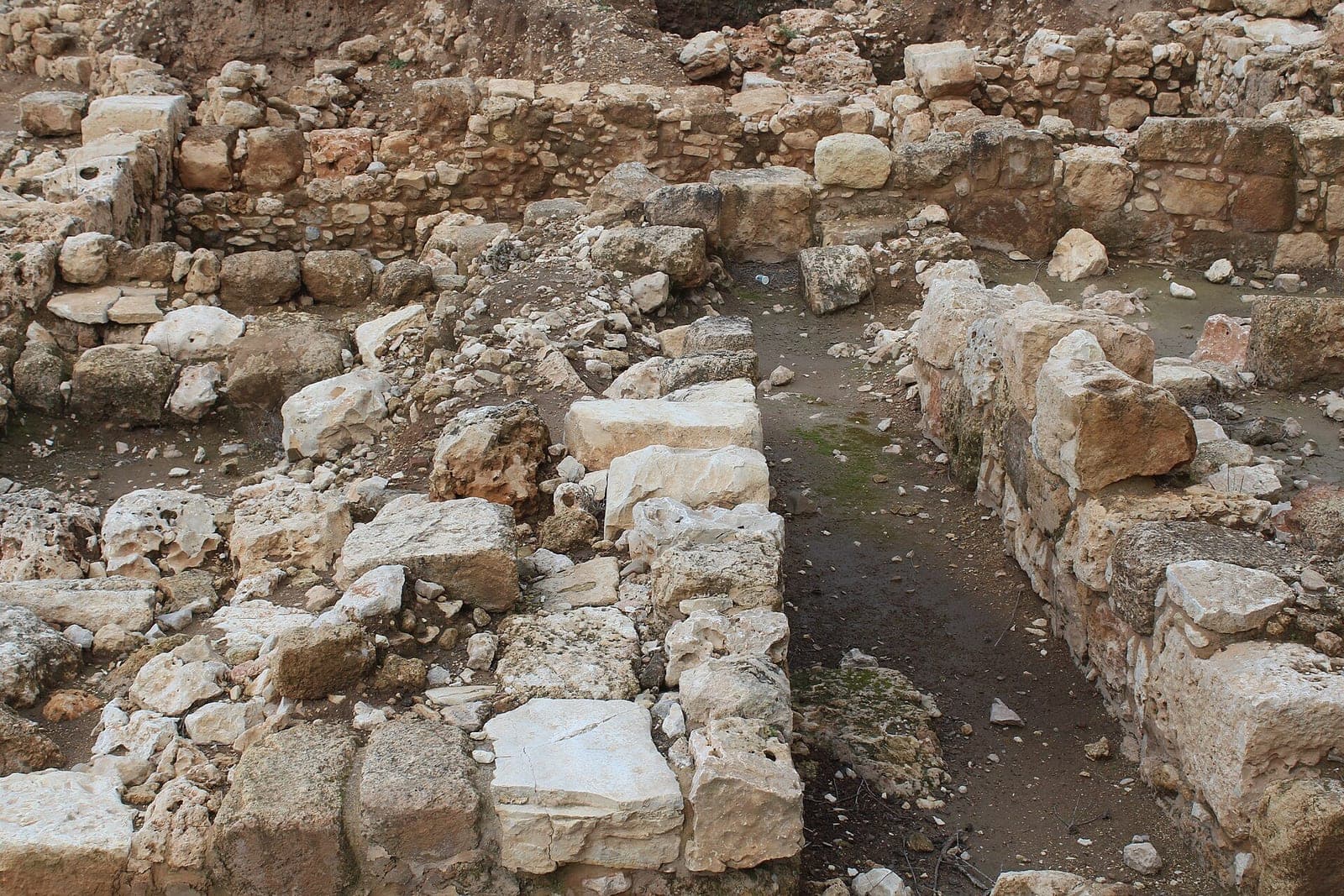
Photo: Deror Avi, via Wikimedia Commons. License: CC BY-SA 4.0. Source. Location: Tel Shiloh archaeological site, West Bank. Resized for the web.
Explore the places of the Bible
See where biblical events happened, why each place matters, and what archaeology helps us understand.
Shiloh
Where Israel set up the tabernacle, and where God called the boy Samuel.
Get full access with one subscription
Explore the people and places of the Bible. Read summaries of every book, with images and clear explanations covering every chapter. Access all these features and our Bible study tools with one subscription.
See PlansAsk AI about Psalms 88:3
Ask a question about this verse and get a clear answer, with Bible references you can read for yourself.
Every Bible book, explained chapter by chapter
Explore summaries of every book of the Bible, with images and easy-to-understand explanations covering every chapter.
Keep studying Psalms 88:3
Related Bible verses
At a Glance — the Book of Psalms
- Author
- David, Asaph, the sons of Korah, Solomon, and others
- Written
- Around 1000-500 BC
- Genre
- Poetry and worship
- Original Audience
- Worshipers of Israel
Frequently Asked Questions
Quick, clear answers about this verse
What does Psalms 88:3 mean?
Psalms 88:3 expresses the psalmist's deep anguish and feeling of despair. The phrase 'my soul is full of troubles' indicates overwhelming emotional pain, while 'my life draws near to the grave' suggests a sense of hopelessness and imminent death.
What is the significance of 'my soul is full of troubles' in Psalms 88:3?
The phrase 'my soul is full of troubles' highlights the intense emotional suffering the psalmist is experiencing. It signifies a state of distress where one feels burdened by life's challenges and struggles.
What does 'my life draws near to the grave' mean in Psalms 88:3?
The expression 'my life draws near to the grave' conveys a feeling of hopelessness and the belief that death may be approaching. It reflects the psalmist's perception of being trapped in despair with no escape.
How can Psalms 88:3 help someone dealing with despair?
Psalms 88:3 can help individuals dealing with despair by validating their feelings of pain and hopelessness. It encourages them to express their struggles openly, reminding them that they are not alone in their suffering.
Daily Verse — straight to your inbox
A verse and a 2-sentence plain-English explanation, every morning. Free. Unsubscribe anytime.