New Testament
Revelation 11:10
Read the Bible in clear, modern English—easy to understand, faithful to the meaning, and written for everyday readers.
Everyone living on the earth will celebrate their death, throwing parties and sending each other gifts, because these 2 prophets had tormented the people of the earth.
Compare translations
And they that dwell upon the earth shall rejoice over them, and make merry, and shall send gifts one to another; because these two prophets tormented them that dwelt on the earth.
What Revelation 11:10 means
Plain-English insight for readers
In Revelation 11:10, the verse describes a scene of celebration among the people of the earth following the death of two prophets. These prophets had delivered messages from God, which were often met with resistance and anger. Their teachings were seen as tormenting to those who rejected their message, leading to a sense of relief and joy when they were killed. The people respond by throwing parties and exchanging gifts, indicating a complete disregard for the prophets' role and the truth they represented. This reaction highlights the deep-seated opposition to God's messengers and the moral decay of society at that time. The celebration is ironic, as it reflects a misunderstanding of true joy and the consequences of rejecting divine truth. Ultimately, this verse serves as a stark reminder of the conflict between God's truth and human rebellion, illustrating how the world often celebrates what is contrary to God's will.
How to apply Revelation 11:10 to your life
This verse challenges us to reflect on our own responses to truth and those who speak it. Are we open to messages that challenge our comfort, or do we dismiss them? It encourages us to value and support those who share God's truth, even when it is difficult to hear.
Curated for this public verse page. Revelation Summary
Explore more of the Bible
Learn the Bible through its people and places
Get to know the people in Scripture through illustrated stories, and explore the places where they lived and traveled.
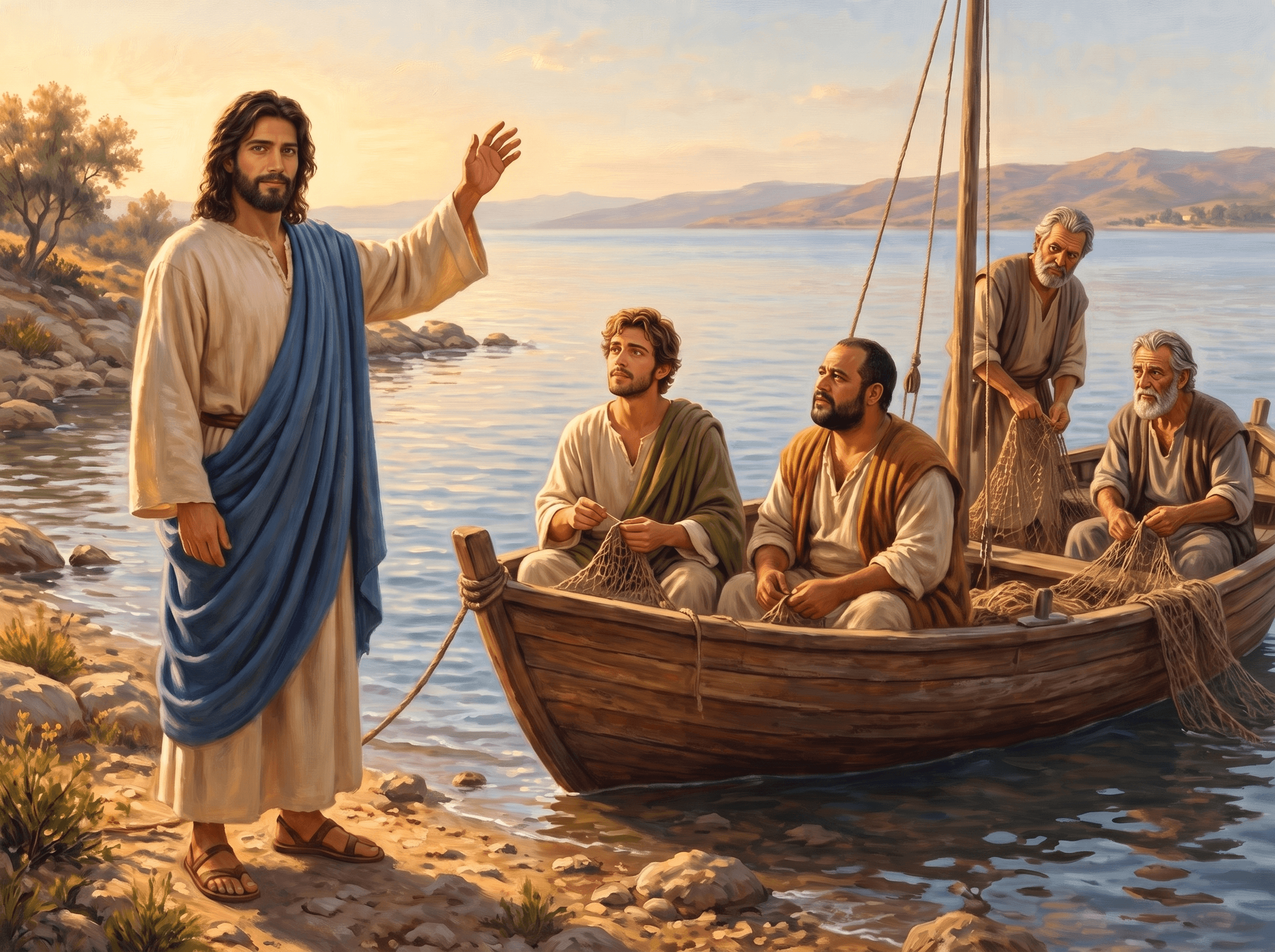
Illustrated scene from John the Apostle's story: Mending Their Nets (Mark 1:19–20)
Meet the people of the Bible
Follow their lives in order, with illustrated scenes and Bible passages that tell their stories.
 John the Apostle

Photo: Photochrom print, Library of Congress Prints and Photographs Division (LCCN 2002725045). License: Public domain in the United States; Library of Congress states no known restrictions on publication. Source. Location: Nazareth, Israel; print preserved by the Library of Congress. Resized for the web.
Explore the places of the Bible
See where biblical events happened, why each place matters, and what archaeology helps us understand.
Nazareth
The small town in Galilee where Jesus grew up.
Get full access with one subscription
Explore the people and places of the Bible. Read summaries of every book, with images and clear explanations covering every chapter. Access all these features and our Bible study tools with one subscription.
See PlansAsk AI about Revelation 11:10
Ask a question about this verse and get a clear answer, with Bible references you can read for yourself.
Every Bible book, explained chapter by chapter
Explore summaries of every book of the Bible, with images and easy-to-understand explanations covering every chapter.
Keep studying Revelation 11:10
Related Bible verses
Key themes
Related topics
At a Glance — the Book of Revelation
- Author
- John the apostle
- Written
- Around AD 95
- Genre
- Apocalyptic prophecy
- Original Audience
- The seven churches of Asia Minor
Frequently Asked Questions
Quick, clear answers about this verse
What does Revelation 11:10 mean by celebrating the prophets' death?
Revelation 11:10 depicts a scene where people celebrate the death of two prophets who had delivered God's messages. Their teachings were often met with hostility, and their deaths are seen as a relief by those who rejected their messages. The celebration highlights the irony of how society can celebrate what opposes divine truth, reflecting a moral decay and a misunderstanding of true joy.
Why did the people send gifts after the prophets died?
The act of sending gifts in Revelation 11:10 symbolizes the people's relief and joy at the death of the prophets. It indicates a complete disregard for the truth the prophets represented and showcases their rejection of God's messages. This behavior illustrates how society can often celebrate the downfall of those who challenge their beliefs, further emphasizing the conflict between divine truth and human rebellion.
What lessons can we learn from Revelation 11:10?
Revelation 11:10 serves as a reminder to evaluate our responses to truth and those who convey it. It challenges us to consider whether we are open to messages that may disrupt our comfort or if we dismiss them outright. The verse encourages us to support and value those who share God's truth, even when it is difficult to hear, and to recognize the societal tendency to celebrate what contradicts divine will.
How does Revelation 11:10 relate to the rejection of prophets today?
Revelation 11:10 reflects a timeless theme of rejecting God's messengers, which continues today. Just as the prophets faced opposition and were celebrated in death, modern-day truth-tellers may also encounter resistance. This verse encourages believers to stand firm in their faith and support those who speak God's truth, despite societal pressures to conform or dismiss uncomfortable messages.
Daily Verse — straight to your inbox
A verse and a 2-sentence plain-English explanation, every morning. Free. Unsubscribe anytime.