New Testament
Revelation 16:2
Read the Bible in clear, modern English—easy to understand, faithful to the meaning, and written for everyday readers.
The first angel went and poured out his bowl on the earth. Ugly, painful sores broke out on everyone who bore the mark of the beast and worshiped his image.
Compare translations
And the first went, and poured out his vial upon the earth; and there fell a noisome and grievous sore upon the men which had the mark of the beast, and upon them which worshipped his image.
What Revelation 16:2 means
Plain-English insight for readers
In Revelation 16:2, the first angel pours out a bowl of God's wrath onto the earth, resulting in painful sores appearing on those who have accepted the mark of the beast and worshiped its image. This act symbolizes divine judgment against those who have turned away from God and chosen to follow evil. The sores represent both physical suffering and spiritual consequences for their choices. The imagery emphasizes the seriousness of rejecting God and the ultimate fate of those who align themselves with the forces of evil. This passage serves as a warning about the repercussions of idolatry and the importance of remaining faithful to God, even in the face of temptation and persecution. It highlights the stark contrast between the fate of the faithful and the unfaithful, urging readers to consider their own allegiance and the consequences of their actions in relation to their faith.
How to apply Revelation 16:2 to your life
This verse challenges us to examine our own lives and allegiances. Are we worshiping anything that takes God's place? It encourages us to remain faithful to God, avoiding the temptations of the world that lead to spiritual harm. Staying true to our faith is crucial.
Curated for this public verse page. Revelation Summary
Explore more of the Bible
Learn the Bible through its people and places
Get to know the people in Scripture through illustrated stories, and explore the places where they lived and traveled.
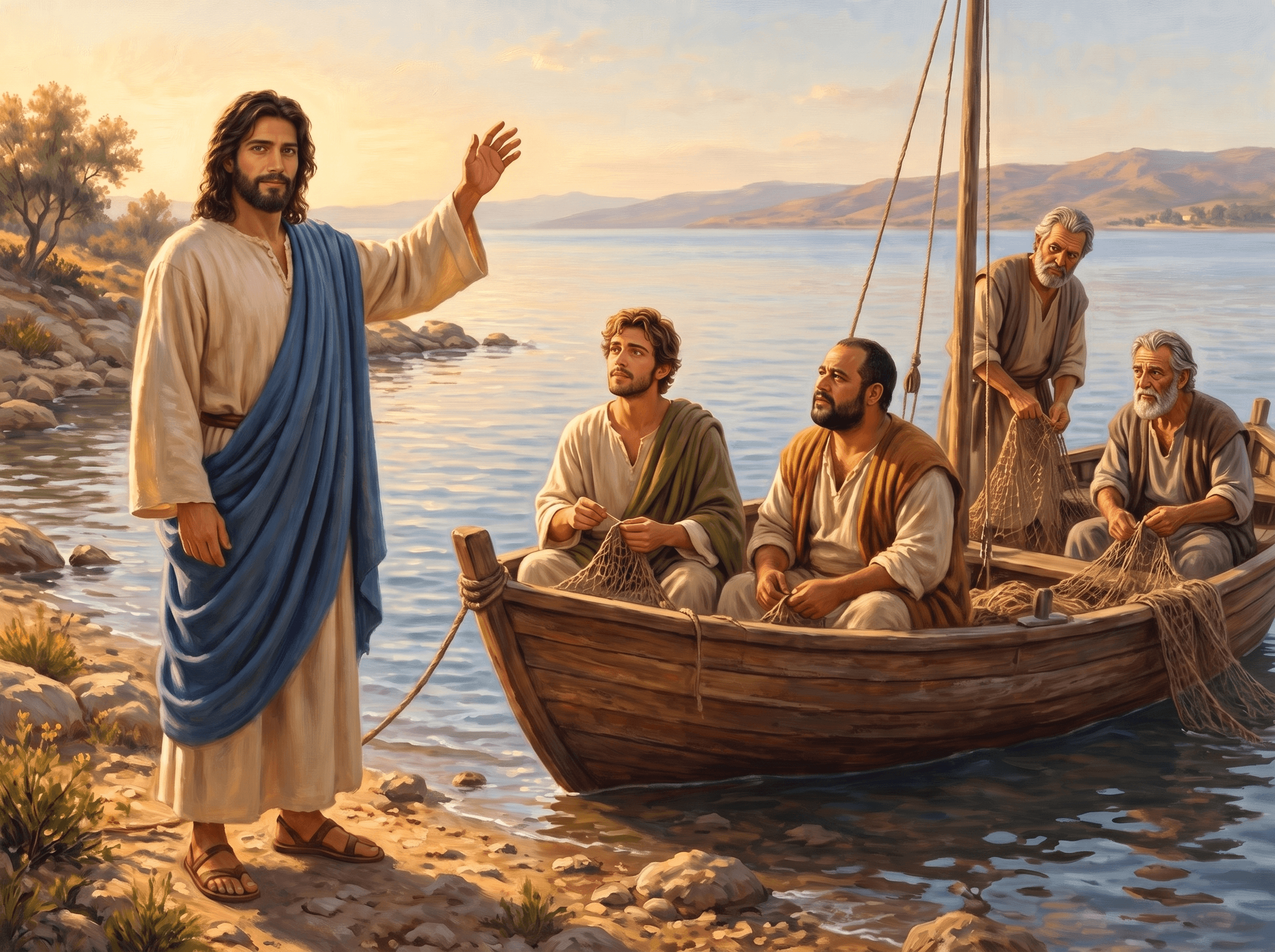
Illustrated scene from John the Apostle's story: Mending Their Nets (Mark 1:19–20)
Meet the people of the Bible
Follow their lives in order, with illustrated scenes and Bible passages that tell their stories.
 John the Apostle

Photo: zeevveez, via Wikimedia Commons. License: CC BY 2.0. Source. Location: Capernaum, on the northern shore of the Sea of Galilee. Resized for the web.
Explore the places of the Bible
See where biblical events happened, why each place matters, and what archaeology helps us understand.
Capernaum
Jesus' home base by the Sea of Galilee, and the town where Peter lived.
Get full access with one subscription
Explore the people and places of the Bible. Read summaries of every book, with images and clear explanations covering every chapter. Access all these features and our Bible study tools with one subscription.
See PlansAsk AI about Revelation 16:2
Ask a question about this verse and get a clear answer, with Bible references you can read for yourself.
Every Bible book, explained chapter by chapter
Explore summaries of every book of the Bible, with images and easy-to-understand explanations covering every chapter.
Keep studying Revelation 16:2
Related Bible verses
Key themes
Related topics
At a Glance — the Book of Revelation
- Author
- John the apostle
- Written
- Around AD 95
- Genre
- Apocalyptic prophecy
- Original Audience
- The seven churches of Asia Minor
Frequently Asked Questions
Quick, clear answers about this verse
What does the mark of the beast represent in Revelation 16:2?
The mark of the beast symbolizes allegiance to evil and rejection of God. It represents those who have chosen to follow the ways of the world rather than God's commandments. In this context, receiving the mark indicates a conscious decision to worship the beast and its image, leading to severe consequences as depicted in the judgments of Revelation.
What are the painful sores mentioned in Revelation 16:2?
The painful sores are a manifestation of God's judgment against those who have rejected Him and worshiped the beast. They symbolize both physical suffering and the spiritual consequences of turning away from God. This imagery serves to highlight the seriousness of idolatry and the ultimate fate awaiting those who choose to align themselves with evil.
How can Revelation 16:2 apply to our lives today?
Revelation 16:2 encourages us to reflect on our own allegiances and the things we prioritize in our lives. It challenges us to identify any idols that may take God's place and reminds us of the importance of remaining faithful to Him. By avoiding the temptations of the world and staying true to our faith, we can protect ourselves from spiritual harm and the consequences of turning away from God.
What does God's wrath mean in the context of Revelation 16:2?
God's wrath in Revelation 16:2 refers to His righteous anger against sin and rebellion. The pouring out of the bowl signifies a decisive act of judgment against those who have chosen to reject Him. This passage illustrates that there are serious consequences for idolatry and disobedience, emphasizing the need for repentance and faithfulness to God.
Daily Verse — straight to your inbox
A verse and a 2-sentence plain-English explanation, every morning. Free. Unsubscribe anytime.