New Testament
Revelation 17:16
Read the Bible in clear, modern English—easy to understand, faithful to the meaning, and written for everyday readers.
The ten horns you saw on the beast will turn against the prostitute. They will strip her bare, leave her desolate, devour her flesh, and burn her with fire.
Compare translations
And the ten horns which thou sawest upon the beast, these shall hate the whore, and shall make her desolate and naked, and shall eat her flesh, and burn her with fire.
What Revelation 17:16 means
Plain-English insight for readers
In this verse, the imagery of the beast and the prostitute represents the corrupt and immoral systems of power and influence in the world. The ten horns symbolize ten kings or rulers who initially support this corrupt system but will ultimately turn against it. Their actions—stripping her bare, leaving her desolate, devouring her flesh, and burning her with fire—depict a complete and violent rejection of the immoral practices that the prostitute represents. This reflects a divine judgment where those who once benefited from corruption will turn on it, leading to its destruction. The vivid language emphasizes the severity of this judgment and the ultimate fate of those who oppose God’s ways. It serves as a warning about the temporary nature of worldly power and the consequences of aligning with evil.
How to apply Revelation 17:16 to your life
This verse reminds us to be cautious about the systems and influences we support. It encourages us to align ourselves with righteousness and truth, rather than temporary power or popularity. Ultimately, we should seek to live in a way that honors God and resists corruption.
Curated for this public verse page. Revelation Summary
Explore more of the Bible
Learn the Bible through its people and places
Get to know the people in Scripture through illustrated stories, and explore the places where they lived and traveled.
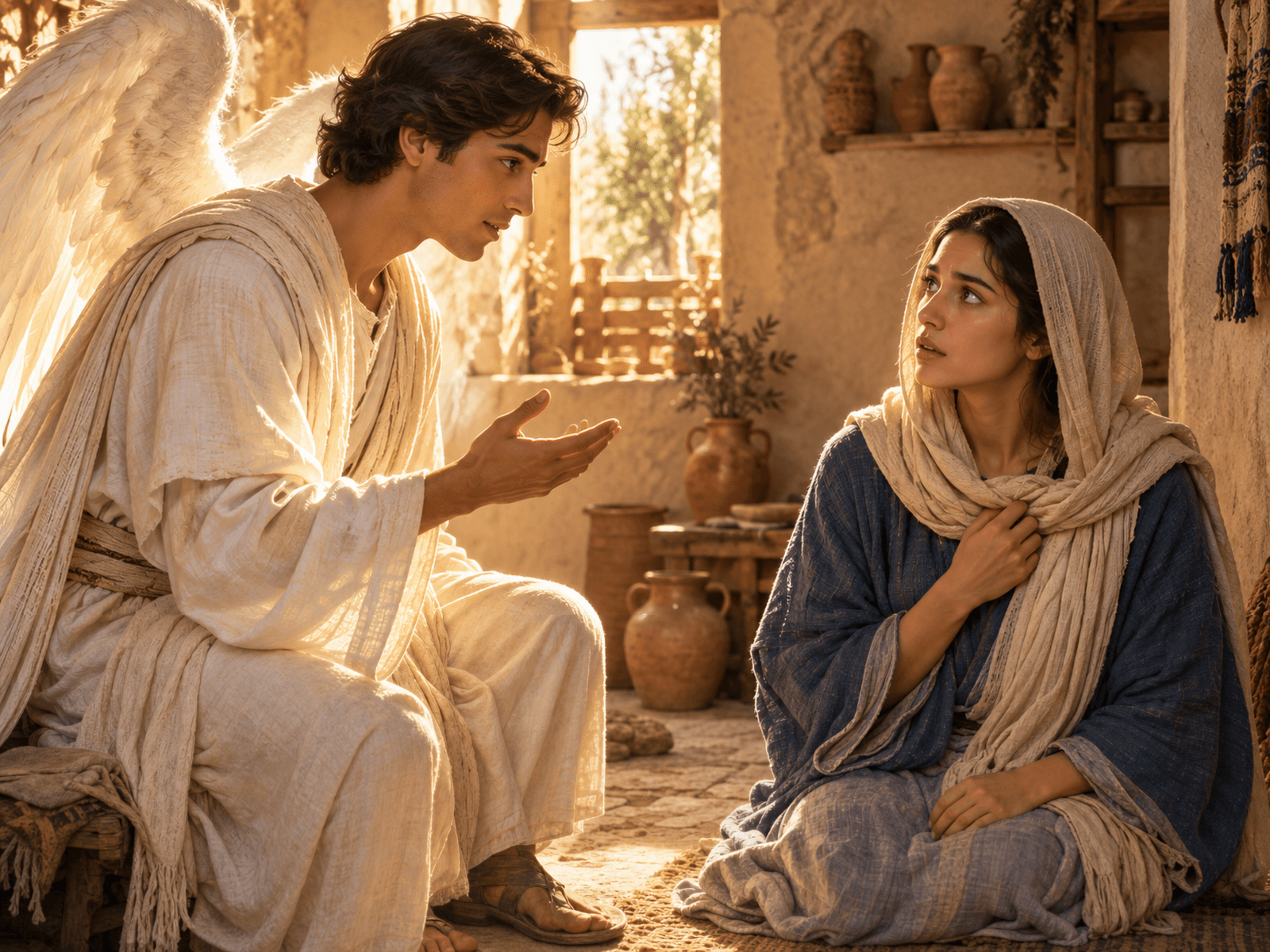
Illustrated scene from Jesus's story: An Angel Visits Mary (Luke 1:26–38)
Meet the people of the Bible
Follow their lives in order, with illustrated scenes and Bible passages that tell their stories.
 Jesus

Photo: Gary Todd (Gary Lee Todd, Ph.D.), via Wikimedia Commons. License: CC0 1.0 Universal Public Domain Dedication. Source. Location: Southern end of the Temple Mount, Jerusalem Old City. Resized for the web.
Explore the places of the Bible
See where biblical events happened, why each place matters, and what archaeology helps us understand.
Jerusalem
David's capital, the city of the temple, and the place where Jesus died and rose again.
Get full access with one subscription
Explore the people and places of the Bible. Read summaries of every book, with images and clear explanations covering every chapter. Access all these features and our Bible study tools with one subscription.
See PlansAsk AI about Revelation 17:16
Ask a question about this verse and get a clear answer, with Bible references you can read for yourself.
Every Bible book, explained chapter by chapter
Explore summaries of every book of the Bible, with images and easy-to-understand explanations covering every chapter.
Keep studying Revelation 17:16
Related Bible verses
Key themes
Related topics
At a Glance — the Book of Revelation
- Author
- John the apostle
- Written
- Around AD 95
- Genre
- Apocalyptic prophecy
- Original Audience
- The seven churches of Asia Minor
Frequently Asked Questions
Quick, clear answers about this verse
What does Revelation 17:16 mean?
Revelation 17:16 describes a dramatic turn of events where ten rulers, symbolized by the ten horns, betray and destroy a corrupt system represented by the prostitute. This illustrates a divine judgment against immorality and the eventual downfall of corrupt powers.
What is the significance of the ten horns in Revelation 17:16?
The ten horns in Revelation 17:16 symbolize ten kings or rulers who initially support a corrupt system but will ultimately turn against it, leading to its destruction. Their actions highlight the theme of betrayal and the temporary nature of worldly power.
What does the term 'the prostitute' refer to in Revelation 17:16?
In Revelation 17:16, 'the prostitute' represents corrupt and immoral systems of power and influence that seduce people away from righteousness. Her destruction signifies the judgment against such corruption.
How does Revelation 17:16 relate to the theme of divine judgment?
Revelation 17:16 illustrates divine judgment by showing how those who once supported corruption will ultimately reject and destroy it. This serves as a warning about the consequences of aligning with evil and the certainty of judgment.
Daily Verse — straight to your inbox
A verse and a 2-sentence plain-English explanation, every morning. Free. Unsubscribe anytime.