New Testament
Romans 1:14
Read the Bible in clear, modern English—easy to understand, faithful to the meaning, and written for everyday readers.
I am a debtor both to Greeks and to barbarians, both to the wise and to the foolish.
Compare translations
I am debtor both to the Greeks, and to the Barbarians; both to the wise, and to the unwise.
What Romans 1:14 means
Plain-English insight for readers
In Romans 1:14, Paul expresses a sense of obligation to share the message of the Gospel with all people, regardless of their background or wisdom. By referring to Greeks and barbarians, he highlights the cultural divide of his time, indicating that the Gospel is for everyone, not just the educated or elite. The terms 'wise' and 'foolish' further emphasize that intelligence or social status does not determine one's need for salvation. Paul sees himself as a debtor, meaning he feels a strong responsibility to spread the teachings of Christ to all, as he has received grace and truth. This verse sets the stage for his mission to reach diverse groups, showing that the message of Jesus transcends cultural and intellectual barriers. It reflects the universal nature of the Christian faith, which calls for inclusivity and outreach to all humanity, regardless of their perceived wisdom or status in society.
How to apply Romans 1:14 to your life
We should feel a sense of responsibility to share our faith with everyone around us, regardless of their background or beliefs. This verse encourages us to reach out to those who may seem different or unwise, reminding us that the message of Christ is for all.
Curated for this public verse page. Romans Summary
Explore more of the Bible
Learn the Bible through its people and places
Get to know the people in Scripture through illustrated stories, and explore the places where they lived and traveled.
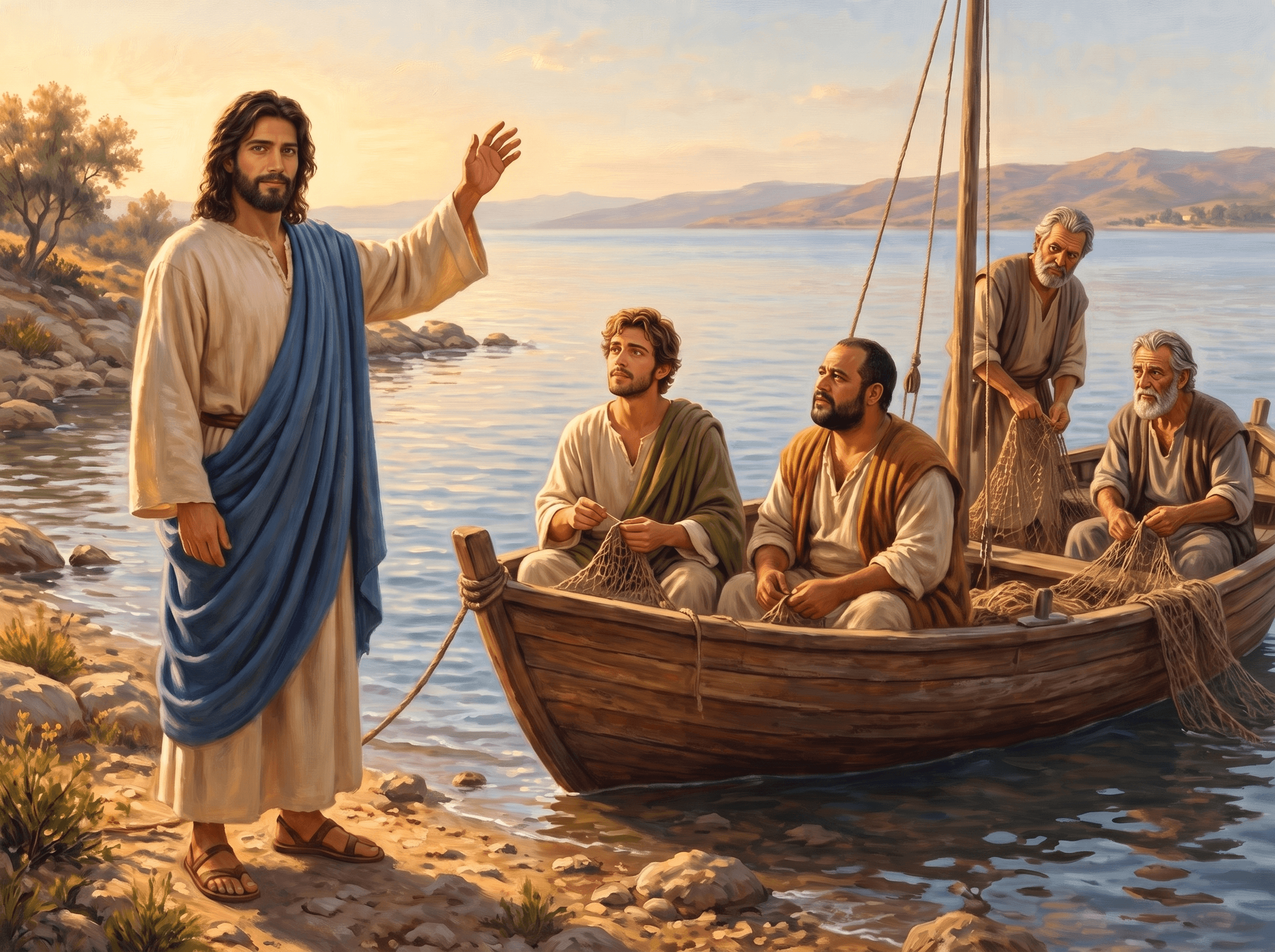
Illustrated scene from John the Apostle's story: Mending Their Nets (Mark 1:19–20)
Meet the people of the Bible
Follow their lives in order, with illustrated scenes and Bible passages that tell their stories.
 John the Apostle

Photo: Gary Todd (Gary Lee Todd, Ph.D.), via Wikimedia Commons. License: CC0 1.0 Universal Public Domain Dedication. Source. Location: Southern end of the Temple Mount, Jerusalem Old City. Resized for the web.
Explore the places of the Bible
See where biblical events happened, why each place matters, and what archaeology helps us understand.
Jerusalem
David's capital, the city of the temple, and the place where Jesus died and rose again.
Get full access with one subscription
Explore the people and places of the Bible. Read summaries of every book, with images and clear explanations covering every chapter. Access all these features and our Bible study tools with one subscription.
See PlansAsk AI about Romans 1:14
Ask a question about this verse and get a clear answer, with Bible references you can read for yourself.
Every Bible book, explained chapter by chapter
Explore summaries of every book of the Bible, with images and easy-to-understand explanations covering every chapter.
Keep studying Romans 1:14
Related Bible verses
Key themes
Related topics
At a Glance — the Book of Romans
- Author
- Paul the apostle
- Written
- Around AD 57
- Genre
- Letter (epistle)
- Original Audience
- Christians in Rome
Frequently Asked Questions
Quick, clear answers about this verse
What does Romans 1:14 mean?
Romans 1:14 expresses Paul's obligation to share the Gospel with everyone, regardless of their cultural background or intelligence. He sees himself as a debtor to both Greeks and barbarians, indicating that the message of Christ is for all people.
What is the significance of 'Greeks and barbarians' in Romans 1:14?
In Romans 1:14, 'Greeks and barbarians' represent the cultural divide of Paul's time, emphasizing that the Gospel is meant for everyone, not just the educated or elite. This highlights the inclusivity of the Christian message.
What does Paul mean by being a 'debtor' in Romans 1:14?
When Paul refers to himself as a 'debtor' in Romans 1:14, he means he feels a strong responsibility to share the teachings of Christ with all people. This sense of obligation stems from the grace he has received.
How does Romans 1:14 relate to sharing faith today?
Romans 1:14 encourages believers to share their faith with everyone, regardless of differences in background or beliefs. It serves as a reminder that the message of Christ is universal and should reach all individuals.
Daily Verse — straight to your inbox
A verse and a 2-sentence plain-English explanation, every morning. Free. Unsubscribe anytime.