New Testament
Titus 1:12
Read the Bible in clear, modern English—easy to understand, faithful to the meaning, and written for everyday readers.
One of their own prophets once said, "Cretans are always liars, evil beasts, and lazy gluttons."
Compare translations
One of themselves, even a prophet of their own, said, The Cretians are alway liars, evil beasts, slow bellies.
What Titus 1:12 means
Plain-English insight for readers
In this verse, Paul quotes a statement made by a Cretan prophet, highlighting a negative stereotype about the people of Crete. The description of Cretans as 'liars, evil beasts, and lazy gluttons' reflects a cultural perception that suggests they are untrustworthy and morally corrupt. Paul uses this quote to emphasize the need for strong leadership and sound teaching within the church in Crete. He points out that the behavior of some Cretans aligns with this negative reputation, which underscores the importance of appointing leaders who can guide the community towards better conduct and faithfulness. This verse serves as a reminder of the challenges faced by the early church in maintaining integrity and moral standards amidst a culture that may not support those values. It also illustrates the need for discernment in leadership and the importance of addressing cultural issues within the church context.
How to apply Titus 1:12 to your life
This verse encourages us to be aware of the cultural influences around us and to strive for integrity in our actions. It reminds us that our behavior reflects not only on ourselves but also on our communities and faith. Strong leadership is essential in guiding others toward positive values.
Curated for this public verse page. Titus Summary
Explore more of the Bible
Learn the Bible through its people and places
Get to know the people in Scripture through illustrated stories, and explore the places where they lived and traveled.

Illustrated scene from John the Apostle's story: Mending Their Nets (Mark 1:19–20)
Meet the people of the Bible
Follow their lives in order, with illustrated scenes and Bible passages that tell their stories.
 John the Apostle
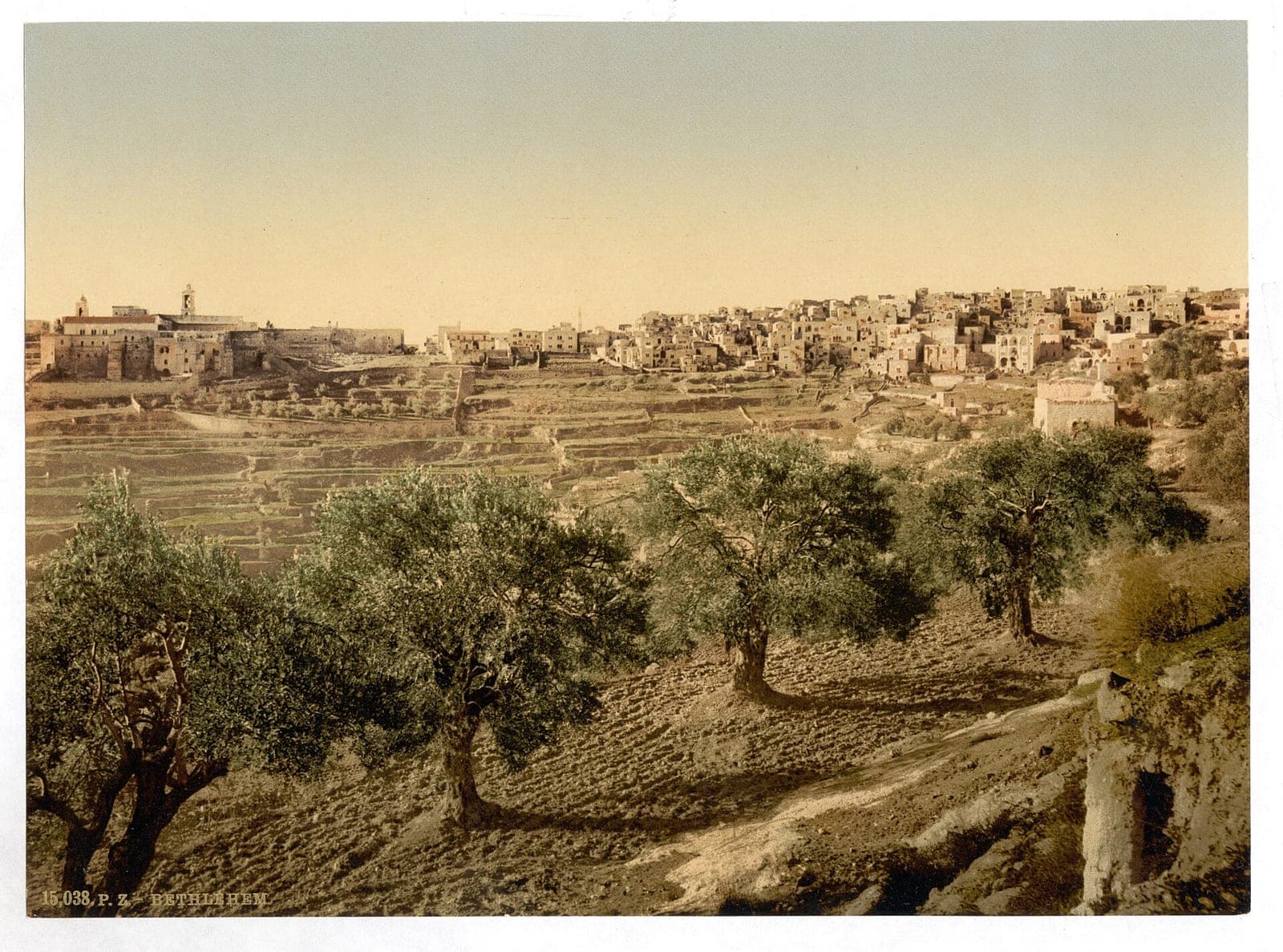
Photo: Photochrom print, Library of Congress Prints and Photographs Division (LCCN 2002724966). License: Public domain in the United States; Library of Congress states no known restrictions on publication. Source. Location: Bethlehem, West Bank; print preserved by the Library of Congress. Resized for the web.
Explore the places of the Bible
See where biblical events happened, why each place matters, and what archaeology helps us understand.
Bethlehem
David's hometown, and the town where Jesus was born.
Get full access with one subscription
Explore the people and places of the Bible. Read summaries of every book, with images and clear explanations covering every chapter. Access all these features and our Bible study tools with one subscription.
See PlansAsk AI about Titus 1:12
Ask a question about this verse and get a clear answer, with Bible references you can read for yourself.
Every Bible book, explained chapter by chapter
Explore summaries of every book of the Bible, with images and easy-to-understand explanations covering every chapter.
Keep studying Titus 1:12
Related Bible verses
Key themes
Related topics
At a Glance — the Book of Titus
- Author
- Paul the apostle
- Written
- Around AD 62-66
- Genre
- Letter (pastoral epistle)
- Original Audience
- Titus and the church in Crete
Frequently Asked Questions
Quick, clear answers about this verse
What does Titus 1:12 mean?
Titus 1:12 quotes a Cretan prophet who describes the people of Crete as 'liars, evil beasts, and lazy gluttons.' This highlights a cultural stereotype and emphasizes the need for strong leadership in the church to counteract these negative behaviors.
What is the significance of the phrase 'Cretans are always liars' in Titus 1:12?
The phrase 'Cretans are always liars' reflects a widely held stereotype about the people of Crete, suggesting they are untrustworthy. Paul uses this to stress the importance of appointing leaders who can guide the church towards integrity.
How does Titus 1:12 relate to leadership in the church?
Titus 1:12 illustrates the importance of appointing leaders who can uphold moral standards and guide the community. It shows that effective leadership is crucial in addressing cultural issues and promoting integrity within the church.
What cultural issues does Titus 1:12 highlight?
Titus 1:12 highlights the cultural perception of Cretans as dishonest and morally corrupt. This serves as a reminder of the challenges the early church faced in maintaining integrity amidst a culture that may not support those values.
Daily Verse — straight to your inbox
A verse and a 2-sentence plain-English explanation, every morning. Free. Unsubscribe anytime.