Old Testament
Zechariah 8:14
Read the Bible in clear, modern English—easy to understand, faithful to the meaning, and written for everyday readers.
The LORD of hosts says: 'As I thought to punish you when your fathers provoked me to wrath,' declares the LORD of hosts, 'and I did not repent.'
Compare translations
For thus saith the LORD of hosts; As I thought to punish you, when your fathers provoked me to wrath, saith the LORD of hosts, and I repented not:
What Zechariah 8:14 means
Plain-English insight for readers
In this verse, God is reflecting on the past actions of the Israelites and their ancestors. He recalls how their disobedience and rebellion against Him led to His decision to punish them. Despite their wrongdoing, God did not change His mind about the consequences of their actions. This highlights God's unwavering justice and the seriousness of sin. The phrase 'I did not repent' emphasizes that God's judgment was just and necessary, as it was a response to the provocation of His people. This verse serves as a reminder that while God is merciful, He is also righteous and will hold His people accountable for their actions. It underscores the importance of obedience and the consequences of turning away from God. The historical context shows that God’s discipline was meant to lead His people back to Him, reinforcing the idea that His ultimate desire is for restoration and relationship, even after judgment.
How to apply Zechariah 8:14 to your life
This verse encourages us to reflect on our own actions and their consequences. It reminds us that disobedience to God can lead to serious repercussions. We should strive to live in a way that honors God, seeking His guidance and avoiding actions that provoke His wrath. Understanding God's justice can motivate us to pursue a closer relationship with Him.
Curated for this public verse page. Zechariah Summary
Explore more of the Bible
Learn the Bible through its people and places
Get to know the people in Scripture through illustrated stories, and explore the places where they lived and traveled.

Illustrated scene from Ruth's story: Three Widows (Ruth 1:1–5)
Meet the people of the Bible
Follow their lives in order, with illustrated scenes and Bible passages that tell their stories.
 Ruth
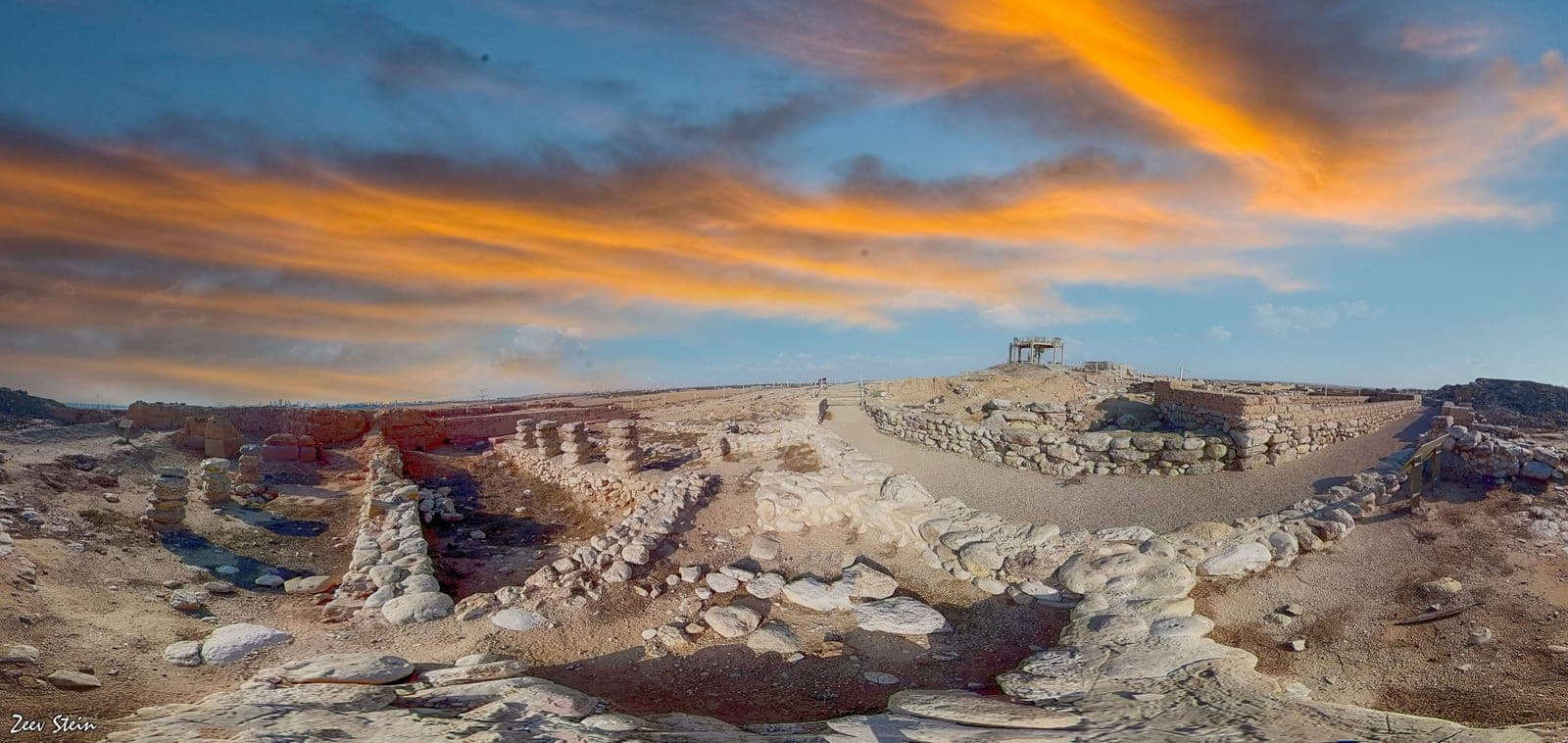
Photo: Zeev Stein / PikiWiki Israel, via Wikimedia Commons. License: CC BY 2.5. Source. Location: Tel Beer Sheva National Park, Israel. Resized for the web.
Explore the places of the Bible
See where biblical events happened, why each place matters, and what archaeology helps us understand.
Beersheba
Where Abraham and Isaac dug wells and worshiped the LORD, at the southern edge of the land.
Get full access with one subscription
Explore the people and places of the Bible. Read summaries of every book, with images and clear explanations covering every chapter. Access all these features and our Bible study tools with one subscription.
See PlansAsk AI about Zechariah 8:14
Ask a question about this verse and get a clear answer, with Bible references you can read for yourself.
Every Bible book, explained chapter by chapter
Explore summaries of every book of the Bible, with images and easy-to-understand explanations covering every chapter.
Keep studying Zechariah 8:14
Related Bible verses
Key themes
Related topics
At a Glance — the Book of Zechariah
- Author
- Zechariah the prophet
- Written
- Around 520-480 BC
- Genre
- Prophecy and apocalyptic
- Original Audience
- Post-exilic Jews
Frequently Asked Questions
Quick, clear answers about this verse
What does Zechariah 8:14 mean about God's punishment?
Zechariah 8:14 reflects on God's past decision to punish the Israelites for their disobedience. It emphasizes that God's judgment was a direct response to the provocation caused by their ancestors. This verse illustrates God's unwavering justice, showing that He does not change His mind about the consequences of sin, highlighting the seriousness of turning away from Him.
Why does God say He did not repent in Zechariah 8:14?
In Zechariah 8:14, when God states 'I did not repent,' it signifies that His judgment was just and necessary. It underscores that God's decisions regarding punishment are based on His righteousness and the seriousness of sin. This phrase serves to remind us that while God is merciful, He is also committed to justice and will hold His people accountable for their actions.
How can Zechariah 8:14 apply to my life today?
Zechariah 8:14 encourages us to consider the consequences of our actions and the importance of obedience to God. It serves as a reminder that disobedience can lead to serious repercussions. By reflecting on this verse, we are motivated to seek a closer relationship with God, striving to honor Him in our daily lives and avoiding actions that provoke His wrath.
What themes are present in Zechariah 8:14?
Key themes in Zechariah 8:14 include God's Justice, Divine Punishment, Historical Accountability, and God's Unchanging Nature. The verse also touches on Repentance and the consequences of Sin. These themes highlight the seriousness of disobedience and the importance of maintaining a faithful relationship with God.
Daily Verse — straight to your inbox
A verse and a 2-sentence plain-English explanation, every morning. Free. Unsubscribe anytime.