Old Testament
Zephaniah 1:12
Read the Bible in clear, modern English—easy to understand, faithful to the meaning, and written for everyday readers.
When that time comes, I will search Jerusalem with lamps and punish the men who are settled on their lees, who say in their hearts, 'The LORD will not do good, nor will he do evil.'
Compare translations
And it shall come to pass at that time, that I will search Jerusalem with candles, and punish the men that are settled on their lees: that say in their heart, The LORD will not do good, neither will he do evil.
What Zephaniah 1:12 means
Plain-English insight for readers
In this verse, God declares that He will thoroughly examine Jerusalem, symbolized by searching with lamps or candles. This search represents His judgment on those who feel secure and complacent, described as being 'settled on their lees,' which means they are comfortable and unbothered by the consequences of their actions. These individuals believe that God is indifferent, thinking He will neither reward nor punish them. This attitude reflects a lack of faith and awareness of God's sovereignty. The verse serves as a warning that God is aware of the hearts and minds of people, and He will hold them accountable for their beliefs and actions. The imagery of searching with lamps suggests a thorough and illuminating judgment, revealing the true state of people's hearts. It emphasizes that complacency and disbelief in God's power can lead to dire consequences, as God will act decisively against those who dismiss His authority.
How to apply Zephaniah 1:12 to your life
This verse encourages us to remain vigilant in our faith and not become complacent. We should recognize God's active role in our lives and avoid the mindset that He is indifferent. Regular self-examination and awareness of our spiritual state can help us stay aligned with God's will.
Curated for this public verse page. Zephaniah Summary
Explore more of the Bible
Learn the Bible through its people and places
Get to know the people in Scripture through illustrated stories, and explore the places where they lived and traveled.

Illustrated scene from Joseph, Jacob's son's story: Joseph Is Born (Genesis 30:22–24)
Meet the people of the Bible
Follow their lives in order, with illustrated scenes and Bible passages that tell their stories.
 Joseph, Jacob's son
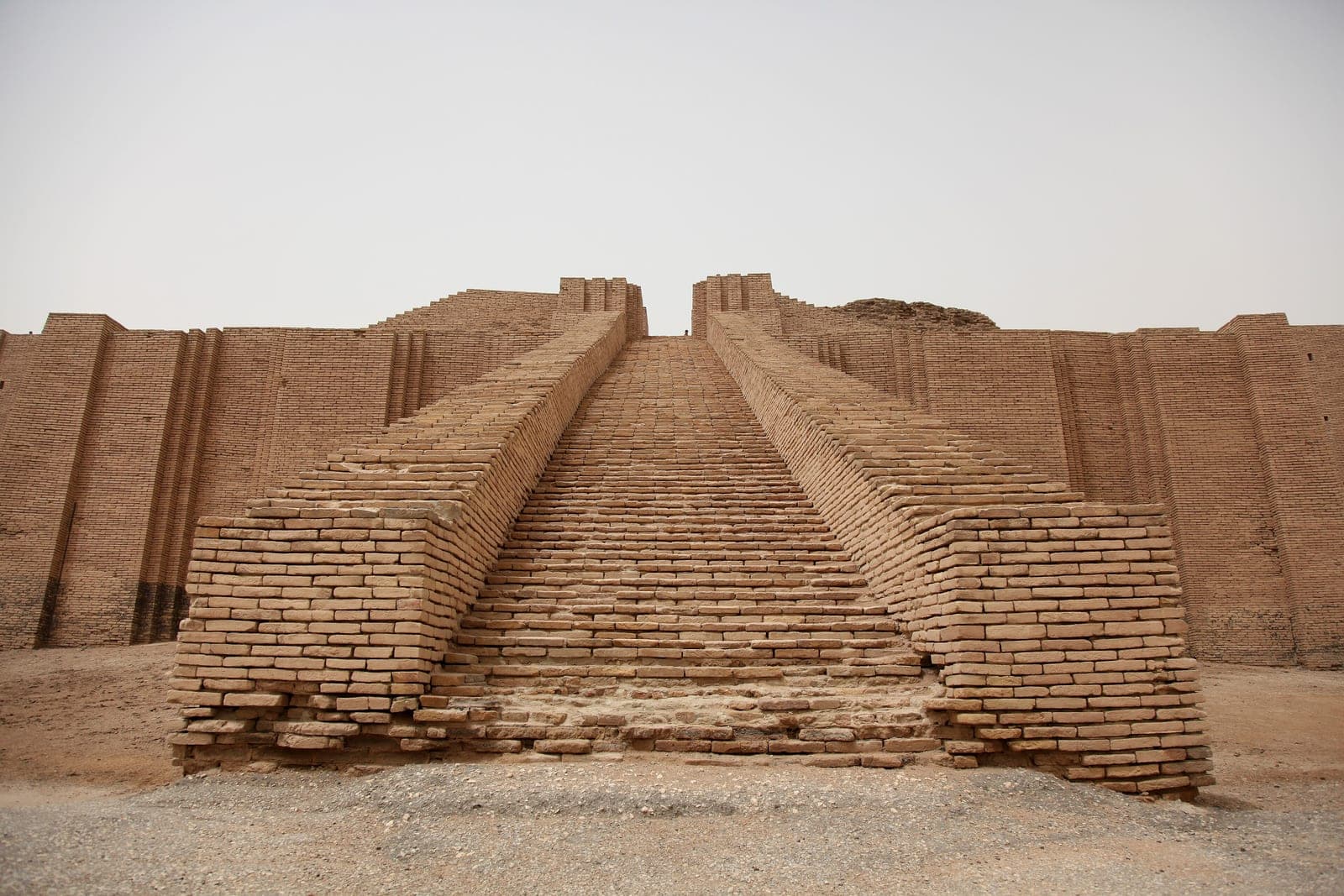
Photo: U.S. Army photo by Spc. Samantha R. Ciaramitaro, via DVIDS and Wikimedia Commons. License: Public domain in the United States — U.S. federal-government work. Source. Location: Great Ziggurat, Ur Archaeological City (Tell el-Mukayyar), Dhi Qar Governorate, Iraq. Resized for the web.
Explore the places of the Bible
See where biblical events happened, why each place matters, and what archaeology helps us understand.
Ur
The city Abram's family left to travel toward Canaan.
Get full access with one subscription
Explore the people and places of the Bible. Read summaries of every book, with images and clear explanations covering every chapter. Access all these features and our Bible study tools with one subscription.
See PlansAsk AI about Zephaniah 1:12
Ask a question about this verse and get a clear answer, with Bible references you can read for yourself.
Every Bible book, explained chapter by chapter
Explore summaries of every book of the Bible, with images and easy-to-understand explanations covering every chapter.
Keep studying Zephaniah 1:12
Related Bible verses
Key themes
Related topics
At a Glance — the Book of Zephaniah
- Author
- Zephaniah the prophet
- Written
- Around 630 BC
- Genre
- Prophecy
- Original Audience
- The kingdom of Judah
Frequently Asked Questions
Quick, clear answers about this verse
What does 'settled on their lees' mean in Zephaniah 1:12?
In Zephaniah 1:12, 'settled on their lees' refers to people who are complacent and comfortable in their lives, feeling secure and unbothered by the consequences of their actions. This metaphor comes from winemaking, where lees are the sediment left after fermentation. Just as wine can become stagnant if left on its lees, people can become spiritually stagnant and indifferent to God's authority and judgment.
How does Zephaniah 1:12 relate to God's judgment?
Zephaniah 1:12 highlights God's intention to judge those who are complacent and dismissive of His power. The verse illustrates that God will search Jerusalem thoroughly, symbolizing His omniscience and the inevitability of His judgment. It serves as a reminder that God is aware of our hearts and thoughts, and He will hold us accountable for our beliefs and actions, especially when we become indifferent to His sovereignty.
What warning does Zephaniah 1:12 give to believers today?
Zephaniah 1:12 warns believers against complacency and a lack of faith in God's active role in their lives. It encourages self-examination and vigilance in one's spiritual walk, reminding us that we should not adopt an attitude that God is indifferent to our actions. The verse calls for awareness of God's sovereignty and the importance of remaining engaged in our faith to avoid the consequences of spiritual stagnation.
What is the significance of God searching with lamps in this verse?
The imagery of God searching with lamps in Zephaniah 1:12 signifies a thorough and illuminating judgment. It emphasizes that God will reveal the true state of people's hearts and minds, exposing complacency and disbelief. This metaphor suggests that nothing is hidden from God's sight, and His judgment will be precise and just, highlighting the importance of being spiritually aware and accountable for our actions.
Daily Verse — straight to your inbox
A verse and a 2-sentence plain-English explanation, every morning. Free. Unsubscribe anytime.