New Testament
1 Corinthians 15:37
Read the Bible in clear, modern English—easy to understand, faithful to the meaning, and written for everyday readers.
And what you plant isn't the full plant that will grow — it's just a bare seed, maybe wheat or something else.
Compare translations
And that which thou sowest, thou sowest not that body that shall be, but bare grain, it may chance of wheat, or of some other grain:
What 1 Corinthians 15:37 means
Plain-English insight for readers
When you plant a seed, you’re not putting in the full-grown plant; you’re starting with something small and simple. This seed holds the potential for something much greater, like a tall stalk of wheat. The process of growth takes time and care, transforming that tiny seed into a flourishing plant. Similarly, in life, we often begin with small actions or ideas that can develop into something significant. Just as a seed must be buried and nurtured, our dreams and goals require patience and effort to blossom. This verse reminds us that what we see now is just the beginning, and with faith and perseverance, we can witness incredible transformations. Embrace the journey of growth, knowing that every small step counts towards a larger purpose. Trust that what you plant today can lead to a bountiful harvest tomorrow, even if it doesn’t look like much at first. The potential for greatness lies within the smallest beginnings, waiting to unfold in time and with care. Keep nurturing your dreams, and watch them grow.
How to apply 1 Corinthians 15:37 to your life
Consider what seeds you are planting in your life today. Are they actions, relationships, or dreams? Nurture them with care and patience, knowing that they may take time to grow. Trust the process and stay committed to your goals, even when progress seems slow. Your small efforts can lead to significant changes over time, so keep going with hope and determination. Be patient and watch your life flourish as you invest in your future.
Curated for this public verse page. 1 Corinthians Summary
Explore more of the Bible
Learn the Bible through its people and places
Get to know the people in Scripture through illustrated stories, and explore the places where they lived and traveled.

Illustrated scene from Mary, Jesus' mother's story: An Angel Visits Mary (Luke 1:26–38)
Meet the people of the Bible
Follow their lives in order, with illustrated scenes and Bible passages that tell their stories.
 Mary, Jesus' mother
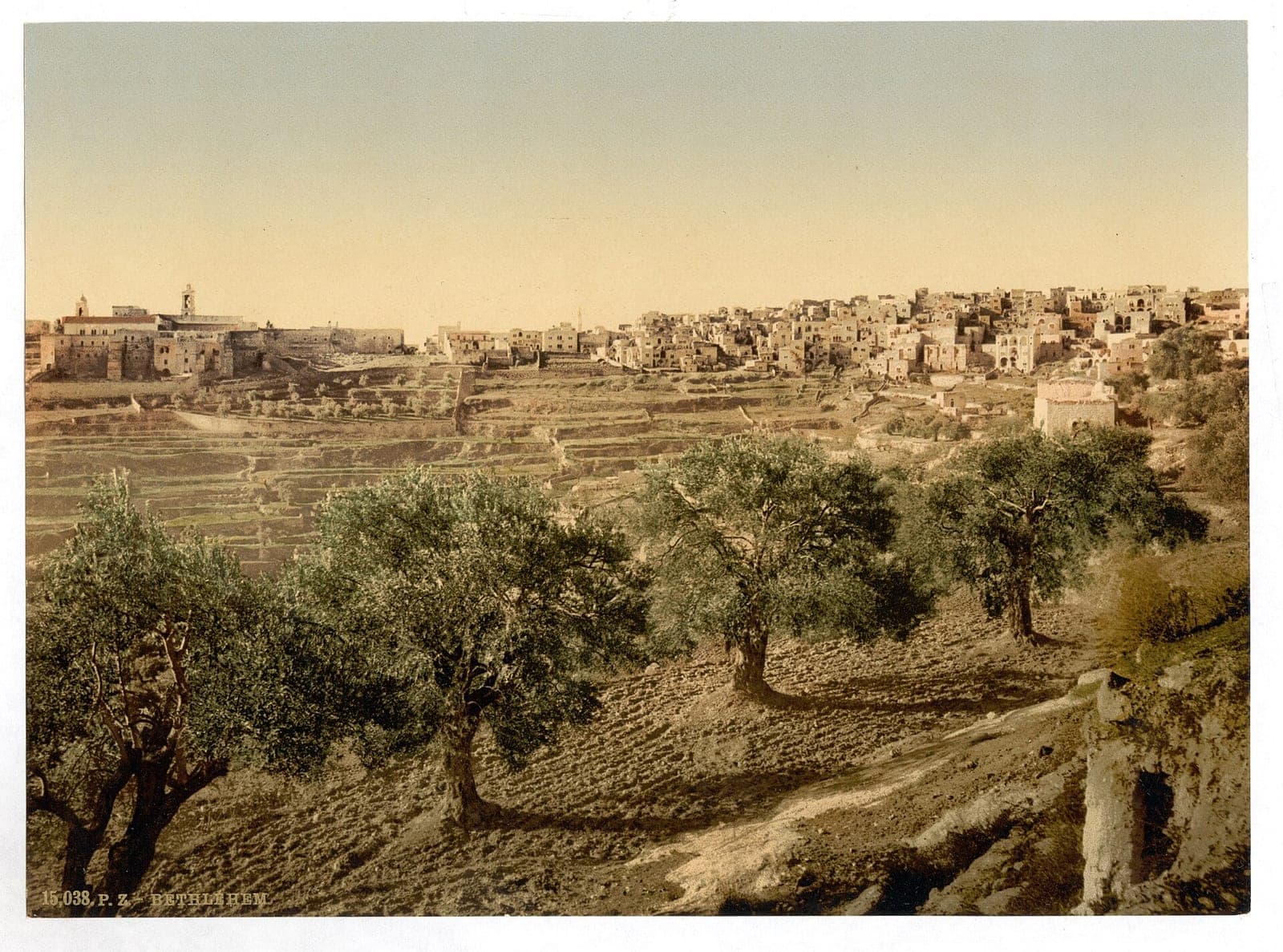
Photo: Photochrom print, Library of Congress Prints and Photographs Division (LCCN 2002724966). License: Public domain in the United States; Library of Congress states no known restrictions on publication. Source. Location: Bethlehem, West Bank; print preserved by the Library of Congress. Resized for the web.
Explore the places of the Bible
See where biblical events happened, why each place matters, and what archaeology helps us understand.
Bethlehem
David's hometown, and the town where Jesus was born.
Get full access with one subscription
Explore the people and places of the Bible. Read summaries of every book, with images and clear explanations covering every chapter. Access all these features and our Bible study tools with one subscription.
See PlansAsk AI about 1 Corinthians 15:37
Ask a question about this verse and get a clear answer, with Bible references you can read for yourself.
Every Bible book, explained chapter by chapter
Explore summaries of every book of the Bible, with images and easy-to-understand explanations covering every chapter.
Keep studying 1 Corinthians 15:37
Related Bible verses
Key themes
Related topics
At a Glance — the Book of 1 Corinthians
- Author
- Paul the apostle
- Written
- Around AD 55
- Genre
- Letter (epistle)
- Original Audience
- The church in Corinth
Frequently Asked Questions
Quick, clear answers about this verse
What does 1 Corinthians 15:37 mean?
1 Corinthians 15:37 explains that when you plant a seed, you are not planting the full-grown plant but rather a small, bare seed. This illustrates the idea that growth takes time and that what starts small can develop into something much greater.
What is the meaning of the seed analogy in 1 Corinthians 15:37?
The seed analogy in 1 Corinthians 15:37 signifies potential and transformation. Just as a seed must be nurtured to grow into a full plant, our small actions and ideas can lead to significant outcomes with time and care.
How can I apply 1 Corinthians 15:37 to my life?
You can apply 1 Corinthians 15:37 by recognizing the small seeds you are planting in your life, whether they are goals, relationships, or actions. Nurture these with patience and commitment, understanding that significant growth takes time.
What themes are present in 1 Corinthians 15:37?
The themes present in 1 Corinthians 15:37 include growth, potential, transformation, patience, and faith. The verse encourages us to trust the process of development and to believe in the possibilities that lie within small beginnings.
Daily Verse — straight to your inbox
A verse and a 2-sentence plain-English explanation, every morning. Free. Unsubscribe anytime.