New Testament
1 Corinthians 15:55
Read the Bible in clear, modern English—easy to understand, faithful to the meaning, and written for everyday readers.
"Death, where is your sting? Grave, where is your victory?"
Compare translations
O death, where is thy sting? O grave, where is thy victory?
What 1 Corinthians 15:55 means
Plain-English insight for readers
In this powerful statement, the speaker confronts death and the grave, challenging their power. The imagery of a sting suggests that death, often feared, has lost its ability to harm those who believe. The grave, which symbolizes finality, is questioned for its victory over life. This declaration reflects a profound truth: through faith, death is not the end. Instead, it becomes a passage to something greater. The speaker's confidence in overcoming death resonates with hope and assurance. This message encourages us to view life and death through a lens of victory rather than defeat. It invites us to embrace the promise of life beyond the grave, transforming our understanding of mortality. Ultimately, this verse serves as a reminder that love and faith can conquer even the most daunting fears, offering a sense of peace and purpose in the face of life's greatest challenges. It encourages us to live boldly, knowing that death does not have the final say in our journey.
How to apply 1 Corinthians 15:55 to your life
When facing fears about death or loss, remember this powerful message. It encourages you to focus on the hope and victory that faith brings. Embrace life fully, knowing that there is more beyond what we see. Let this assurance guide your daily choices and interactions with others, spreading positivity and courage. Live with purpose and joy, regardless of circumstances, knowing you are not alone in your journey through life and beyond.
Curated for this public verse page. 1 Corinthians Summary
Explore more of the Bible
Learn the Bible through its people and places
Get to know the people in Scripture through illustrated stories, and explore the places where they lived and traveled.
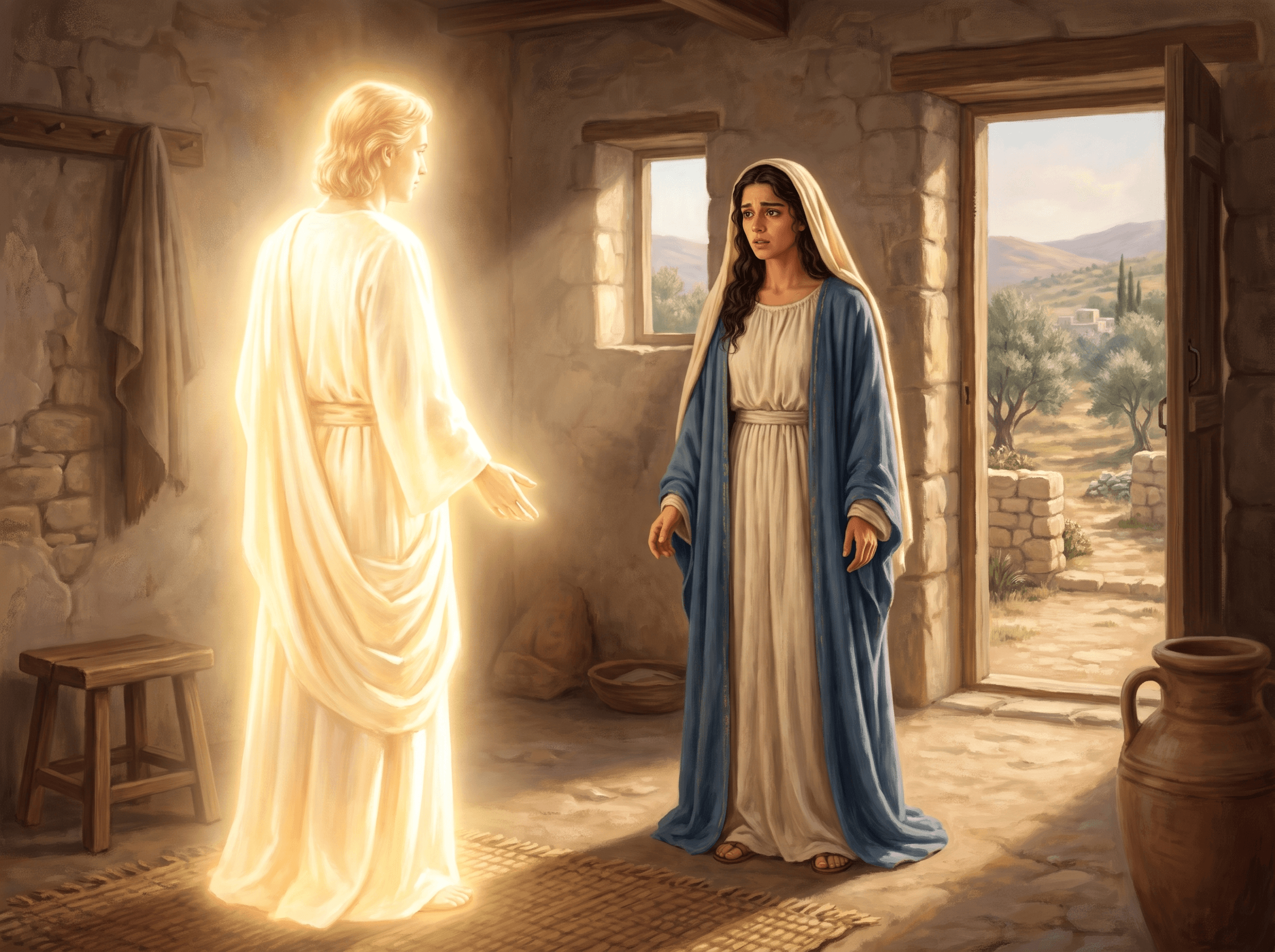
Illustrated scene from Mary, Jesus' mother's story: An Angel Visits Mary (Luke 1:26–38)
Meet the people of the Bible
Follow their lives in order, with illustrated scenes and Bible passages that tell their stories.
 Mary, Jesus' mother
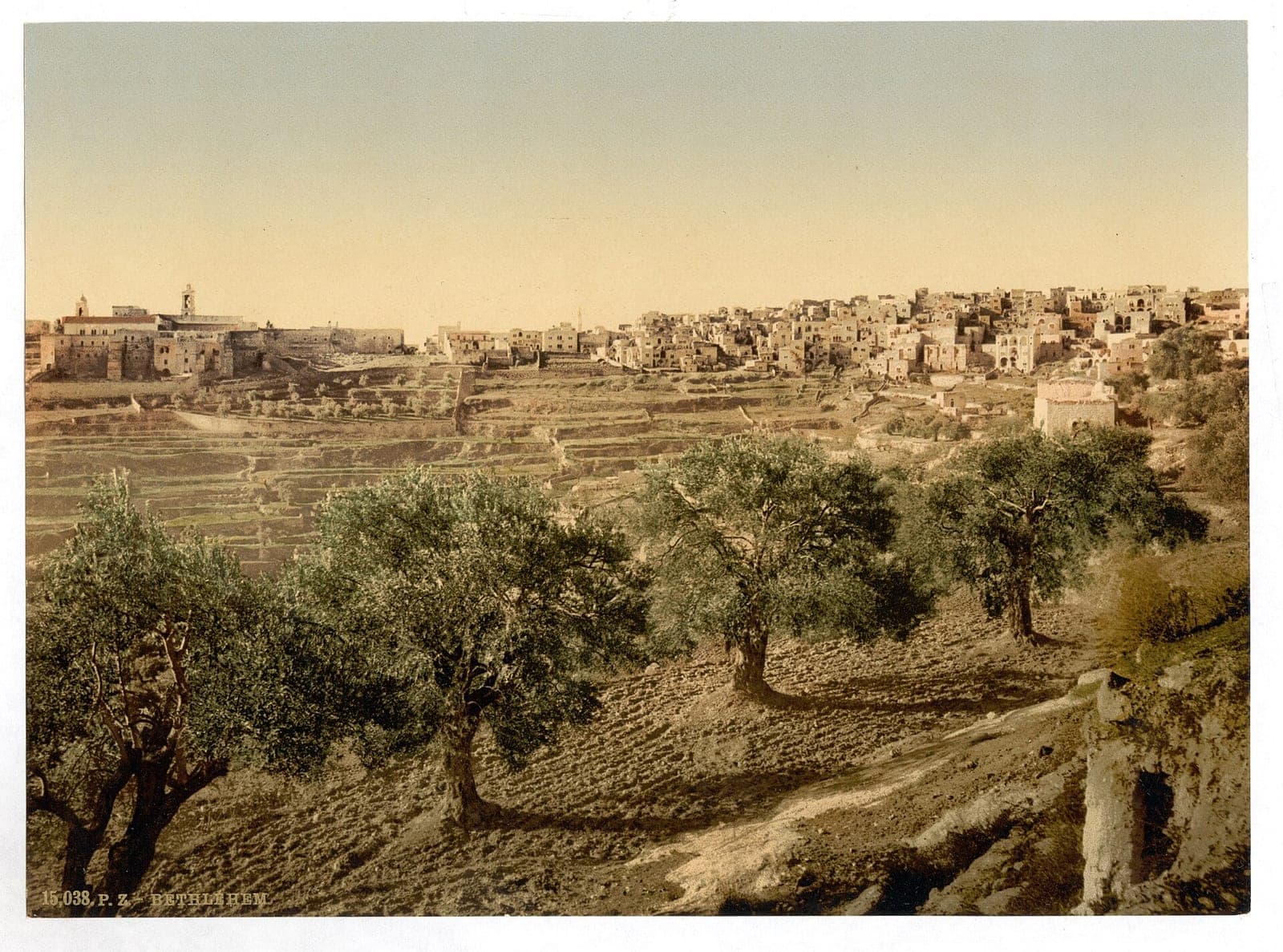
Photo: Photochrom print, Library of Congress Prints and Photographs Division (LCCN 2002724966). License: Public domain in the United States; Library of Congress states no known restrictions on publication. Source. Location: Bethlehem, West Bank; print preserved by the Library of Congress. Resized for the web.
Explore the places of the Bible
See where biblical events happened, why each place matters, and what archaeology helps us understand.
Bethlehem
David's hometown, and the town where Jesus was born.
Get full access with one subscription
Explore the people and places of the Bible. Read summaries of every book, with images and clear explanations covering every chapter. Access all these features and our Bible study tools with one subscription.
See PlansAsk AI about 1 Corinthians 15:55
Ask a question about this verse and get a clear answer, with Bible references you can read for yourself.
Every Bible book, explained chapter by chapter
Explore summaries of every book of the Bible, with images and easy-to-understand explanations covering every chapter.
Keep studying 1 Corinthians 15:55
Related Bible verses
At a Glance — the Book of 1 Corinthians
- Author
- Paul the apostle
- Written
- Around AD 55
- Genre
- Letter (epistle)
- Original Audience
- The church in Corinth
Frequently Asked Questions
Quick, clear answers about this verse
What does 1 Corinthians 15:55 mean?
1 Corinthians 15:55 expresses a powerful challenge to death and the grave, emphasizing that for believers, death is not the end but a transition to eternal life. The verse highlights the victory over death through faith in Jesus Christ, suggesting that the fear of death is diminished for those who believe. It serves as a reminder that love and faith can overcome the most daunting fears, offering hope and assurance in the face of mortality.
How can this verse provide comfort in times of loss?
This verse can provide comfort by reminding us that death does not have the final say. It encourages us to view death as a passage rather than an end, instilling hope that there is life beyond the grave. When facing loss, reflecting on this promise can help alleviate fear and sorrow, allowing us to focus on the joy of eternal life and the assurance that we are not alone in our grief.
What is the significance of the imagery in this verse?
The imagery of a 'sting' and 'victory' in 1 Corinthians 15:55 symbolizes the pain and finality often associated with death. By questioning death's sting and the grave's victory, the verse conveys that these fears are rendered powerless through faith. This powerful imagery serves to inspire believers to confront their fears with confidence, knowing that through Christ, they have the promise of eternal life and victory over death.
How does this verse relate to the theme of hope?
This verse encapsulates the theme of hope by affirming that death is not the ultimate end for believers. It reassures us that through faith, we can overcome the fear of death and embrace the promise of eternal life. The declaration challenges us to live with hope and purpose, knowing that our journey continues beyond this life, transforming our perspective on both life and death.
Daily Verse — straight to your inbox
A verse and a 2-sentence plain-English explanation, every morning. Free. Unsubscribe anytime.