New Testament
1 Corinthians 6:18
Read the Bible in clear, modern English—easy to understand, faithful to the meaning, and written for everyday readers.
Flee fornication. Every other sin a person commits is outside the body, but whoever commits fornication sins against their own body.
Compare translations
Flee fornication. Every sin that a man doeth is without the body; but he that committeth fornication sinneth against his own body.
What 1 Corinthians 6:18 means
Plain-English insight for readers
In this verse, the message is clear: avoid sexual immorality at all costs. While many sins are external, sexual sin is unique because it directly impacts your own body. This means that engaging in fornication is not just a physical act; it affects your emotional and spiritual well-being too. Your body is a significant part of who you are, and misusing it can lead to deep personal consequences. The call to 'flee' suggests urgency and the need to take decisive action. It’s not just about avoiding temptation; it’s about recognizing the value of your body and the importance of treating it with respect. This verse encourages you to think about how your choices affect your entire being, not just your actions. By understanding this, you can make healthier decisions that honor yourself and your body, leading to a more fulfilling life overall. Remember, your body is a temple, and how you treat it matters immensely in your journey of life and relationships. Choose wisely and protect your well-being.
How to apply 1 Corinthians 6:18 to your life
To apply this teaching, take a moment to reflect on your choices regarding relationships and intimacy. Consider setting boundaries that protect your well-being. Surround yourself with supportive friends who encourage healthy decisions. Remember, your body deserves respect, and making wise choices can lead to a more fulfilling life. Choose to honor yourself in every situation you face. “Flee” means to actively avoid situations that could lead to temptation.
Curated for this public verse page. 1 Corinthians Summary
Explore more of the Bible
Learn the Bible through its people and places
Get to know the people in Scripture through illustrated stories, and explore the places where they lived and traveled.
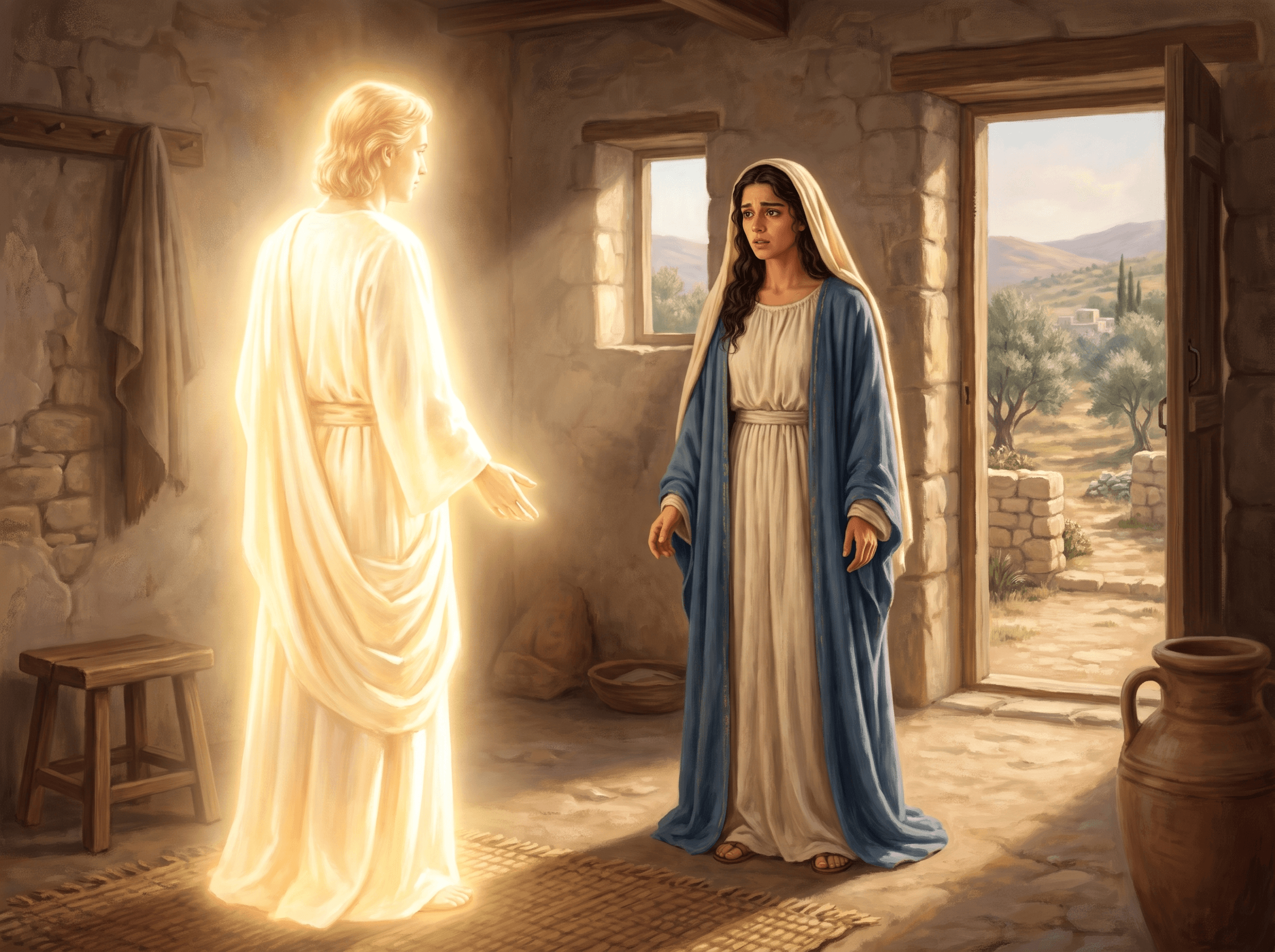
Illustrated scene from Mary, Jesus' mother's story: An Angel Visits Mary (Luke 1:26–38)
Meet the people of the Bible
Follow their lives in order, with illustrated scenes and Bible passages that tell their stories.
 Mary, Jesus' mother
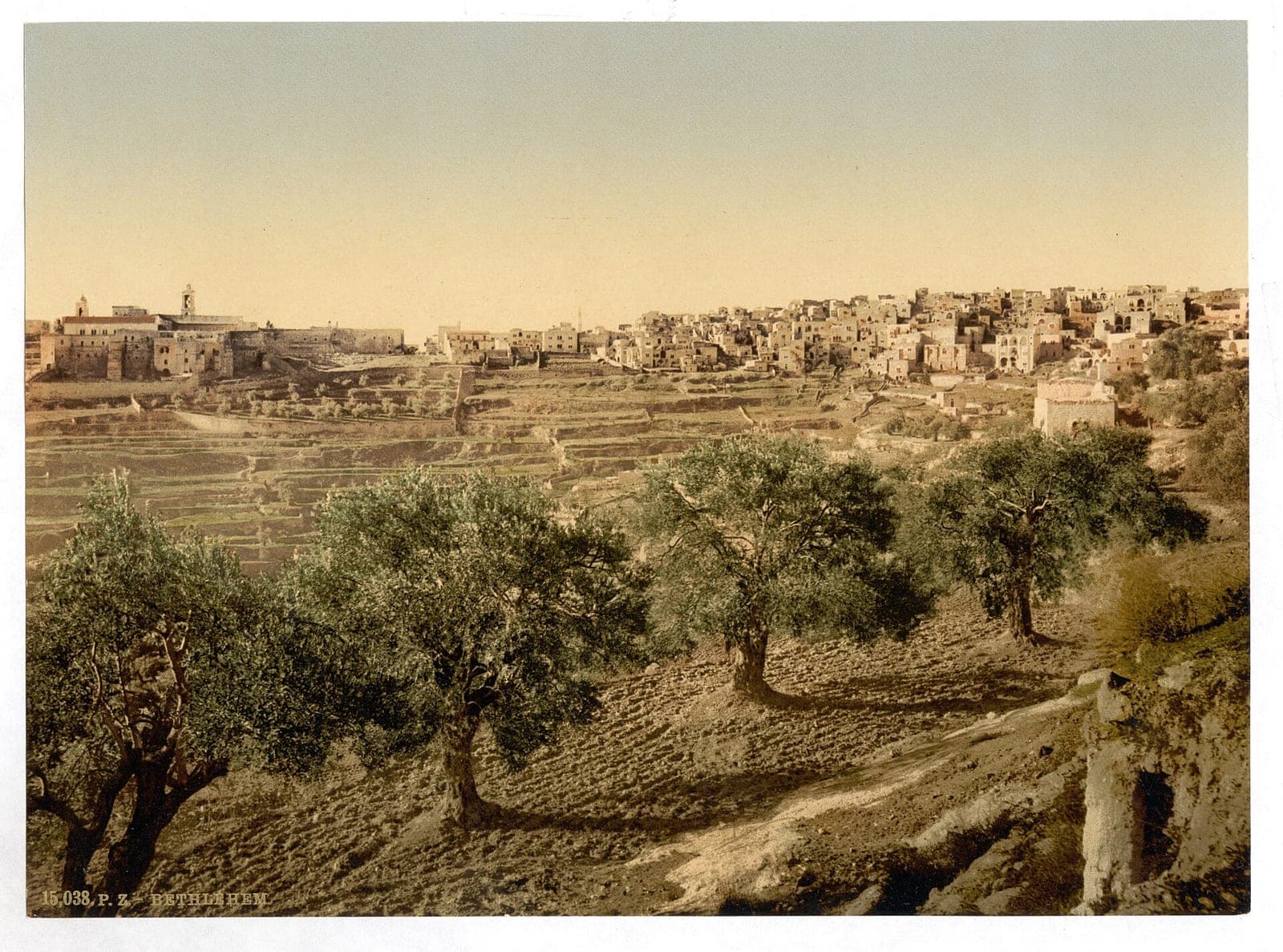
Photo: Photochrom print, Library of Congress Prints and Photographs Division (LCCN 2002724966). License: Public domain in the United States; Library of Congress states no known restrictions on publication. Source. Location: Bethlehem, West Bank; print preserved by the Library of Congress. Resized for the web.
Explore the places of the Bible
See where biblical events happened, why each place matters, and what archaeology helps us understand.
Bethlehem
David's hometown, and the town where Jesus was born.
Get full access with one subscription
Explore the people and places of the Bible. Read summaries of every book, with images and clear explanations covering every chapter. Access all these features and our Bible study tools with one subscription.
See PlansAsk AI about 1 Corinthians 6:18
Ask a question about this verse and get a clear answer, with Bible references you can read for yourself.
Every Bible book, explained chapter by chapter
Explore summaries of every book of the Bible, with images and easy-to-understand explanations covering every chapter.
Keep studying 1 Corinthians 6:18
Related Bible verses
Key themes
Related topics
At a Glance — the Book of 1 Corinthians
- Author
- Paul the apostle
- Written
- Around AD 55
- Genre
- Letter (epistle)
- Original Audience
- The church in Corinth
Frequently Asked Questions
Quick, clear answers about this verse
Why is fornication considered a sin against the body?
Fornication is considered a sin against the body because it directly impacts your physical, emotional, and spiritual health. Unlike other sins that may be external, sexual immorality involves a deep connection to your own body, which is viewed as a temple. Engaging in fornication can lead to feelings of guilt, shame, and emotional distress, making it a unique and serious matter in the context of personal integrity and well-being.
How can I set boundaries to avoid fornication?
Setting boundaries to avoid fornication involves being clear about your values and limits in relationships. Communicate openly with your partner about what you are comfortable with, and establish physical and emotional boundaries. Surround yourself with friends who support your decisions and encourage healthy relationships. Additionally, avoid situations that may lead to temptation, such as being alone in private settings without clear intentions.
What are the consequences of ignoring this verse?
Ignoring the message of 1 Corinthians 6:18 can lead to various negative consequences, including emotional distress, guilt, and potential harm to your relationships. Engaging in fornication can affect your self-esteem and spiritual health, leading to a disconnect from your values. It can also result in physical consequences, such as sexually transmitted infections or unintended pregnancies, which can complicate your life further.
How does this verse relate to self-respect?
This verse emphasizes the importance of self-respect by highlighting the value of your body and the need to treat it with care. By choosing to flee fornication, you acknowledge that your body is a temple deserving of honor and respect. Making wise choices in relationships reflects a commitment to your own well-being and integrity, reinforcing your self-worth and leading to healthier, more fulfilling connections with others.
Daily Verse — straight to your inbox
A verse and a 2-sentence plain-English explanation, every morning. Free. Unsubscribe anytime.