New Testament
1 John 4:10
Read the Bible in clear, modern English—easy to understand, faithful to the meaning, and written for everyday readers.
This is love: not that we loved God, but that he loved us and sent his Son to be the propitiation for our sins.
Compare translations
Herein is love, not that we loved God, but that he loved us, and sent his Son to be the propitiation for our sins.
What 1 John 4:10 means
Plain-English insight for readers
This verse highlights the true essence of love. It emphasizes that love is not about our feelings or actions towards God, but rather about His incredible love for us. God took the initiative by sending His Son, Jesus, to take the punishment for our wrongdoings. This act of love is profound and selfless, showing that we are valued and cherished. It reminds us that love is not earned; it is given freely. Understanding this can transform how we view our relationship with God and others. When we grasp the depth of His love, it inspires us to love in return and to share that love with those around us. This is the foundation of our faith and the motivation for our actions in the world. It’s a love that seeks to heal and restore, inviting us into a deeper connection with God and each other. Recognizing this love can change our lives and how we interact with others, encouraging us to reflect that same love in our daily lives and relationships. It’s a love that is both personal and universal.
How to apply 1 John 4:10 to your life
To apply this verse, reflect on how God’s love is unconditional and transformative. Let this understanding inspire you to love others without expecting anything in return. Share this love through acts of kindness and forgiveness, creating a ripple effect in your community. Remember, love is a choice we make every day, just as God chose to love us first. Embrace this love and let it guide your actions and relationships with others.
Curated for this public verse page. 1 John Summary
Explore more of the Bible
Learn the Bible through its people and places
Get to know the people in Scripture through illustrated stories, and explore the places where they lived and traveled.
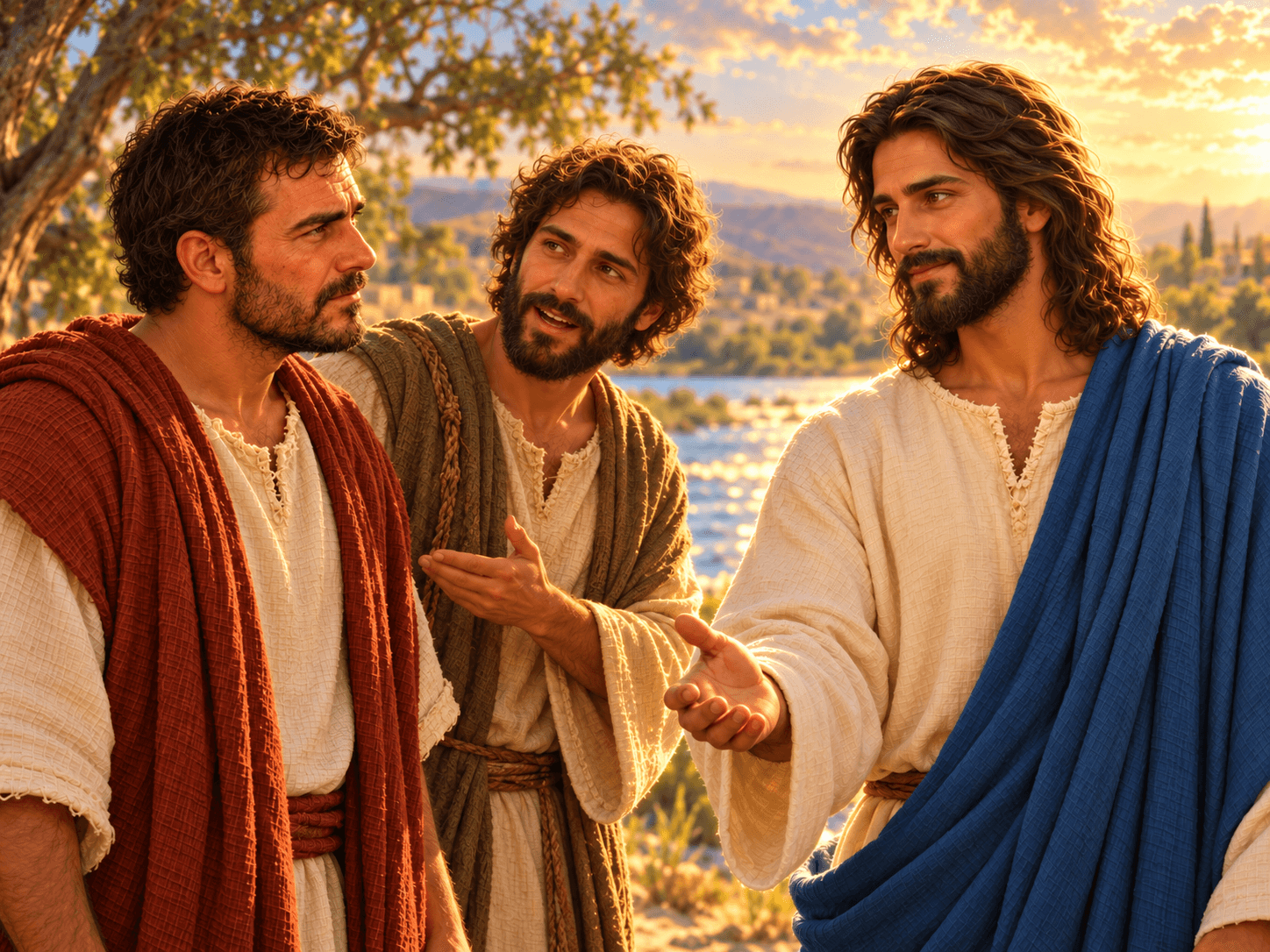
Illustrated scene from Peter's story: Andrew Brings Simon to Jesus (John 1:40–42)
Meet the people of the Bible
Follow their lives in order, with illustrated scenes and Bible passages that tell their stories.
 Peter

Photo: Gary Todd (Gary Lee Todd, Ph.D.), via Wikimedia Commons. License: CC0 1.0 Universal Public Domain Dedication. Source. Location: Southern end of the Temple Mount, Jerusalem Old City. Resized for the web.
Explore the places of the Bible
See where biblical events happened, why each place matters, and what archaeology helps us understand.
Jerusalem
David's capital, the city of the temple, and the place where Jesus died and rose again.
Get full access with one subscription
Explore the people and places of the Bible. Read summaries of every book, with images and clear explanations covering every chapter. Access all these features and our Bible study tools with one subscription.
See PlansAsk AI about 1 John 4:10
Ask a question about this verse and get a clear answer, with Bible references you can read for yourself.
Every Bible book, explained chapter by chapter
Explore summaries of every book of the Bible, with images and easy-to-understand explanations covering every chapter.
Keep studying 1 John 4:10
Related Bible verses
Key themes
Related topics
At a Glance — the Book of 1 John
- Author
- John the apostle
- Written
- Around AD 85-95
- Genre
- Letter (epistle)
- Original Audience
- Early Christian communities
Frequently Asked Questions
Quick, clear answers about this verse
What does 1 John 4:10 teach about love?
1 John 4:10 teaches that true love is defined not by our love for God, but by His love for us. It emphasizes that God's initiative in loving us is what makes love profound. He sent His Son, Jesus, to be the sacrifice for our sins, showcasing a selfless and unconditional love that we are called to reflect in our own lives.
How can I apply the message of 1 John 4:10 in my life?
To apply the message of 1 John 4:10, focus on embodying unconditional love in your relationships. This means loving others without expecting anything in return, practicing kindness, and offering forgiveness. Let God's love inspire your actions, creating a positive impact in your community and encouraging deeper connections with those around you.
What does 'propitiation for our sins' mean in this verse?
The term 'propitiation for our sins' refers to Jesus' role as a sacrifice that appeases God's wrath against sin. It means that through His death, Jesus took the punishment we deserved, allowing us to be reconciled with God. This concept highlights the depth of God's love and the seriousness of sin, emphasizing the importance of Jesus' sacrifice in our faith.
Why is God's love considered selfless in 1 John 4:10?
God's love is considered selfless because it is given freely without any conditions or expectations. In 1 John 4:10, it is clear that God loved us first, initiating the relationship. His decision to send His Son as a sacrifice for our sins demonstrates a love that prioritizes our well-being over His own comfort, showcasing the ultimate act of selflessness.
Daily Verse — straight to your inbox
A verse and a 2-sentence plain-English explanation, every morning. Free. Unsubscribe anytime.