1 Kings 14:22
Judah did evil in the sight of the LORD, and their sins provoked him to jealousy more than anything their ancestors had done.
What 1 Kings 14:22 means
Plain-English insight for readers
In this passage, we see that the people of Judah turned away from what was right and began to do things that angered God. Their actions were not just minor mistakes; they were serious offenses that stirred up God's jealousy. This jealousy reflects God's deep desire for a loving relationship with His people. The sins of Judah were worse than those of their ancestors, showing a troubling trend of disobedience. They chose to ignore the lessons of the past and instead embraced behaviors that led them further away from God. This situation serves as a warning about the consequences of turning away from what is good and right. It highlights the importance of staying true to values that honor God and the impact of our choices on our relationship with Him. Ultimately, this passage reminds us that our actions matter and can provoke strong feelings in our relationship with God, urging us to reflect on our own lives and choices today. We are called to seek a path that aligns with goodness and righteousness.
In the King James Version
And Judah did evil in the sight of the LORD, and they provoked him to jealousy with their sins which they had committed, above all that their fathers had done.
Ask about this verse
Ask anything about 1 Kings 14:22 and get a clear answer from Scripture.
Have a question about this verse? Explore it with ClearBible.
Premium answers your questions about any verse from Scripture itself, shows the verses it rests on, and opens Clear on every passage. You also get all 66 book summaries.
7 days free, then $99/year. Card required. Cancel anytime.
Explore more of the Bible
Learn the Bible through its people and places
Get to know the people in Scripture through illustrated stories, and explore the places where they lived and traveled.
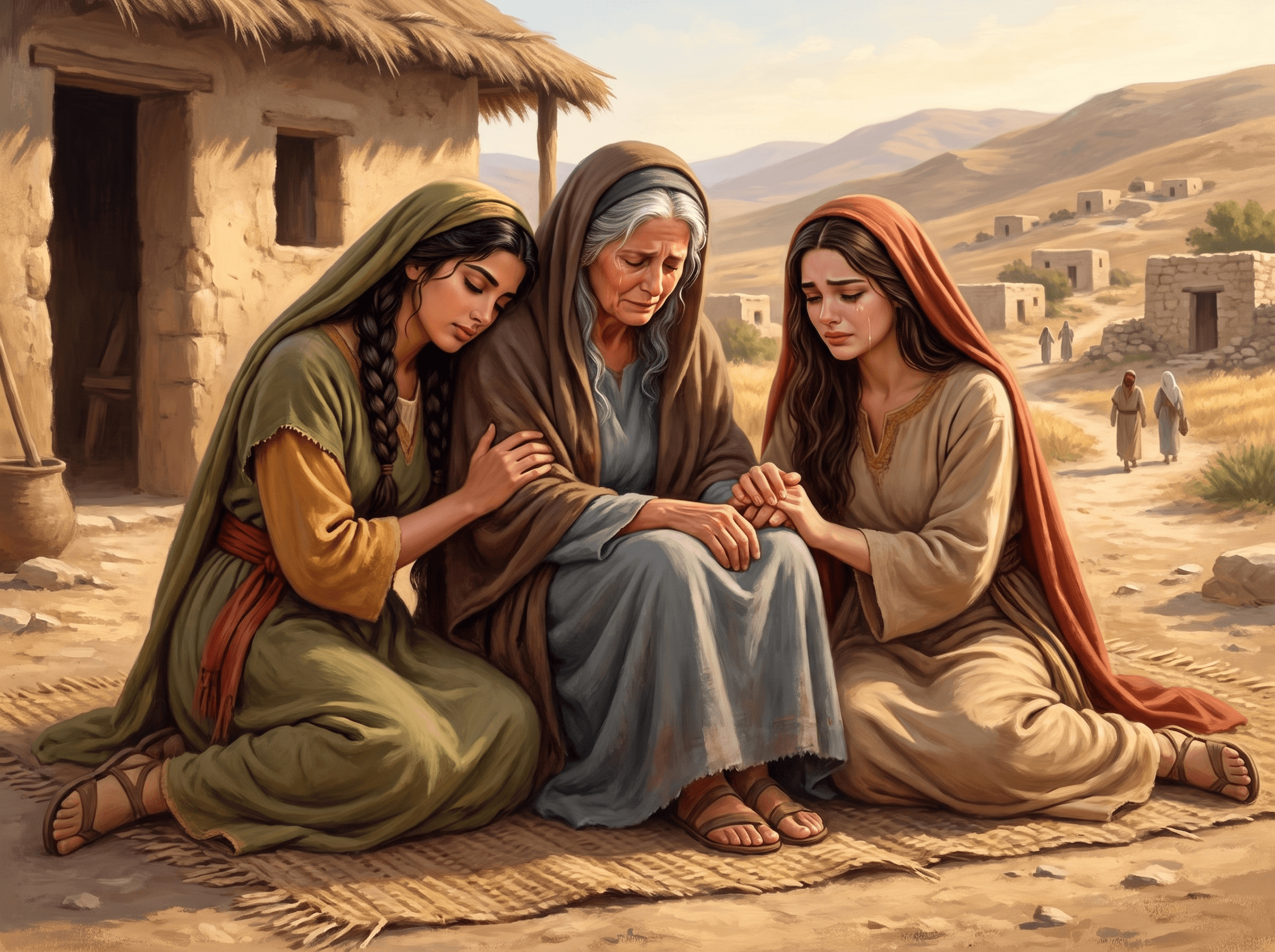
Illustrated scene from Ruth's story: Three Widows (Ruth 1:1–5)
Meet the people of the Bible
Follow their lives in order, with illustrated scenes and Bible passages that tell their stories.
 Ruth

Photo: Zeev Stein / PikiWiki Israel, via Wikimedia Commons. License: CC BY 2.5. Source. Location: Tel Beer Sheva National Park, Israel. Resized for the web.
Explore the places of the Bible
See where biblical events happened, why each place matters, and what archaeology helps us understand.
Beersheba
Where Abraham and Isaac dug wells and worshiped the LORD, at the southern edge of the land.
Every Bible book, explained chapter by chapter
Explore summaries of every book of the Bible, with images and easy-to-understand explanations covering every chapter.
Keep studying 1 Kings 14:22
Related Bible verses
Key themes
Related topics
At a Glance — the Book of 1 Kings
- Author
- Author unknown; possibly Jeremiah
- Written
- Around 560 BC
- Genre
- Historical narrative
- Original Audience
- Exiled Israelites in Babylon
Frequently Asked Questions
Quick, clear answers about this verse
What does 1 Kings 14:22 mean?
1 Kings 14:22 highlights the disobedience of Judah, showing that their sins angered God more than the sins of their ancestors. It emphasizes the seriousness of their actions and the consequences of turning away from God.
What is the significance of God's jealousy in 1 Kings 14:22?
In this verse, God's jealousy signifies His deep desire for a faithful relationship with His people. It reflects how their sins not only broke His commandments but also hurt the bond they had with Him.
How does 1 Kings 14:22 relate to personal choices today?
This verse serves as a reminder that our actions have consequences and can affect our relationship with God. It encourages individuals to reflect on their choices and strive to align them with values that honor God.
What themes are present in 1 Kings 14:22?
Key themes in this verse include disobedience, the consequences of sin, the nature of God's relationship with His people, and the importance of learning from historical lessons.
Daily Verse — straight to your inbox
A verse and a 2-sentence plain-English explanation, every morning. Free. Unsubscribe anytime.