Old Testament
1 Kings 19:16
Read the Bible in clear, modern English—easy to understand, faithful to the meaning, and written for everyday readers.
Then anoint Jehu son of Nimshi as king over Israel, and anoint Elisha son of Shaphat from Abel Meholah to be prophet in your place.
Compare translations
And Jehu the son of Nimshi shalt thou anoint to be king over Israel: and Elisha the son of Shaphat of Abelmeholah shalt thou anoint to be prophet in thy room.
What 1 Kings 19:16 means
Plain-English insight for readers
In this verse, God instructs the prophet Elijah to anoint two important figures for Israel's future. Jehu, the son of Nimshi, is chosen to be the king, indicating a significant change in leadership. This anointing symbolizes God's authority and plan for Israel. Additionally, Elisha, the son of Shaphat, is appointed as the new prophet to succeed Elijah. This transition highlights the importance of mentorship and passing on responsibilities. Elijah's role is crucial, as he prepares Elisha to continue God's work among the people. The act of anointing signifies divine approval and empowerment for both leaders. This moment marks a pivotal point in Israel's history, as new leadership emerges to guide the nation. It reminds us that God is always at work, preparing the next generation to fulfill His purposes. Through these anointings, we see God's commitment to His people and His plans for their future, ensuring that His message continues to be shared and lived out in the world.
How to apply 1 Kings 19:16 to your life
Consider how you can mentor someone in your life, passing on knowledge and support. Just as Elijah prepared Elisha, we can help others grow into their potential. Look for opportunities to guide and encourage those around you, fostering their development and success. Your influence can shape the future positively and meaningfully. Embrace the role of a mentor today, and make a difference in someone's life.
Curated for this public verse page. 1 Kings Summary
Learn the Bible through its people and places
Get to know the people in Scripture through illustrated stories, and explore the places where they lived and traveled.
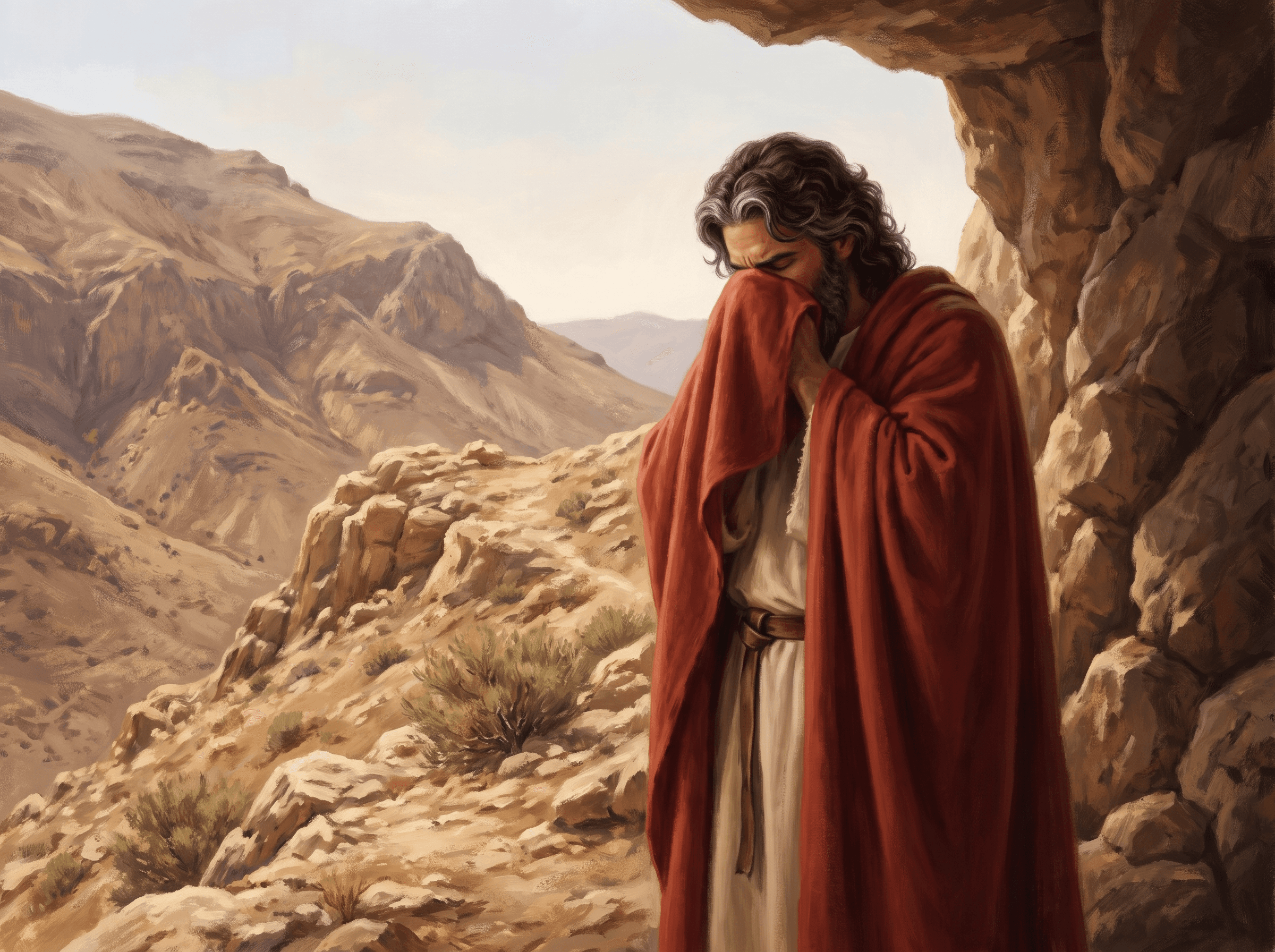
Illustrated scene from Elijah's story: The Still Small Voice (1 Kings 19:9–18)
Meet the people of the Bible
Follow their lives in order, with illustrated scenes and Bible passages that tell their stories.
 Elijah

Photo: Photochrom print, Library of Congress Prints and Photographs Division (LCCN 2002724987). License: Public domain in the United States; Library of Congress states no known restrictions on publication. Source. Location: Hebron, West Bank; print preserved by the Library of Congress. Resized for the web.
Explore the places of the Bible
See where biblical events happened, why each place matters, and what archaeology helps us understand.
Hebron
Where Abraham lived and buried Sarah, and where David was first made king.
Get full access with one subscription
Explore the people and places of the Bible. Read summaries of every book, with images and clear explanations covering every chapter. Access all these features and our Bible study tools with one subscription.
See PlansAsk AI about 1 Kings 19:16
Ask a question about this verse and get a clear answer, with Bible references you can read for yourself.
Every Bible book, explained chapter by chapter
Explore summaries of every book of the Bible, with images and easy-to-understand explanations covering every chapter.
Keep studying 1 Kings 19:16
Related Bible verses
Key themes
Related topics
At a Glance — the Book of 1 Kings
- Author
- Author unknown; possibly Jeremiah
- Written
- Around 560 BC
- Genre
- Historical narrative
- Original Audience
- Exiled Israelites in Babylon
Frequently Asked Questions
Quick, clear answers about this verse
What does 1 Kings 19:16 mean?
1 Kings 19:16 describes God's command to Elijah to anoint Jehu as king of Israel and Elisha as his successor as prophet. This signifies a change in leadership and the continuation of God's work through new leaders.
What is the significance of anointing in 1 Kings 19:16?
Anointing in this verse symbolizes God's choice and empowerment of leaders. It represents divine approval for Jehu's kingship and Elisha's prophetic role, highlighting the importance of God's guidance in leadership transitions.
Who are Jehu and Elisha in 1 Kings 19:16?
Jehu is the son of Nimshi, chosen to be the king of Israel, while Elisha is the son of Shaphat, appointed to succeed Elijah as a prophet. Their anointing marks a pivotal moment in Israel's leadership.
What themes are present in 1 Kings 19:16?
Key themes in 1 Kings 19:16 include leadership, mentorship, divine purpose, and transition. The verse emphasizes the importance of preparing future leaders and the continuity of God's mission.
Daily Verse — straight to your inbox
A verse and a 2-sentence plain-English explanation, every morning. Free. Unsubscribe anytime.