Old Testament
1 Kings 7:3
Read the Bible in clear, modern English—easy to understand, faithful to the meaning, and written for everyday readers.
The ceiling above the beams was covered with cedar. The beams rested on 45 pillars, arranged in 3 rows of 15.
Compare translations
And it was covered with cedar above upon the beams, that lay on forty five pillars, fifteen in a row.
What 1 Kings 7:3 means
Plain-English insight for readers
In this passage, we learn about the impressive structure built by King Solomon. The ceiling above the beams was made of cedar, a valuable and aromatic wood, which added beauty and strength to the building. The beams themselves were supported by 45 pillars, arranged in a precise formation of three rows with 15 pillars each. This careful arrangement not only provided stability but also showcased the architectural skill of the builders. The use of cedar reflects the importance of quality materials in construction, symbolizing the value placed on the temple. The design emphasizes order and symmetry, which are essential in creating a space that feels both majestic and inviting. This attention to detail in the temple's construction serves as a reminder of the significance of creating spaces that honor what we hold dear. Overall, this verse highlights the grandeur of Solomon's temple and the thoughtfulness behind its design, inviting us to appreciate the beauty in our surroundings.
How to apply 1 Kings 7:3 to your life
Consider the spaces you create in your life. Are they reflective of what you value? Just as the temple was built with care and quality materials, strive to cultivate environments that inspire and uplift you and those around you. Quality matters in all aspects of life, not just in buildings but in relationships and experiences too. Embrace the beauty around you and create spaces that resonate with your values and aspirations.
Curated for this public verse page. 1 Kings Summary
Explore more of the Bible
Learn the Bible through its people and places
Get to know the people in Scripture through illustrated stories, and explore the places where they lived and traveled.

Illustrated scene from Esther's story: Esther Becomes Queen (Esther 2:1–18)
Meet the people of the Bible
Follow their lives in order, with illustrated scenes and Bible passages that tell their stories.
 Esther
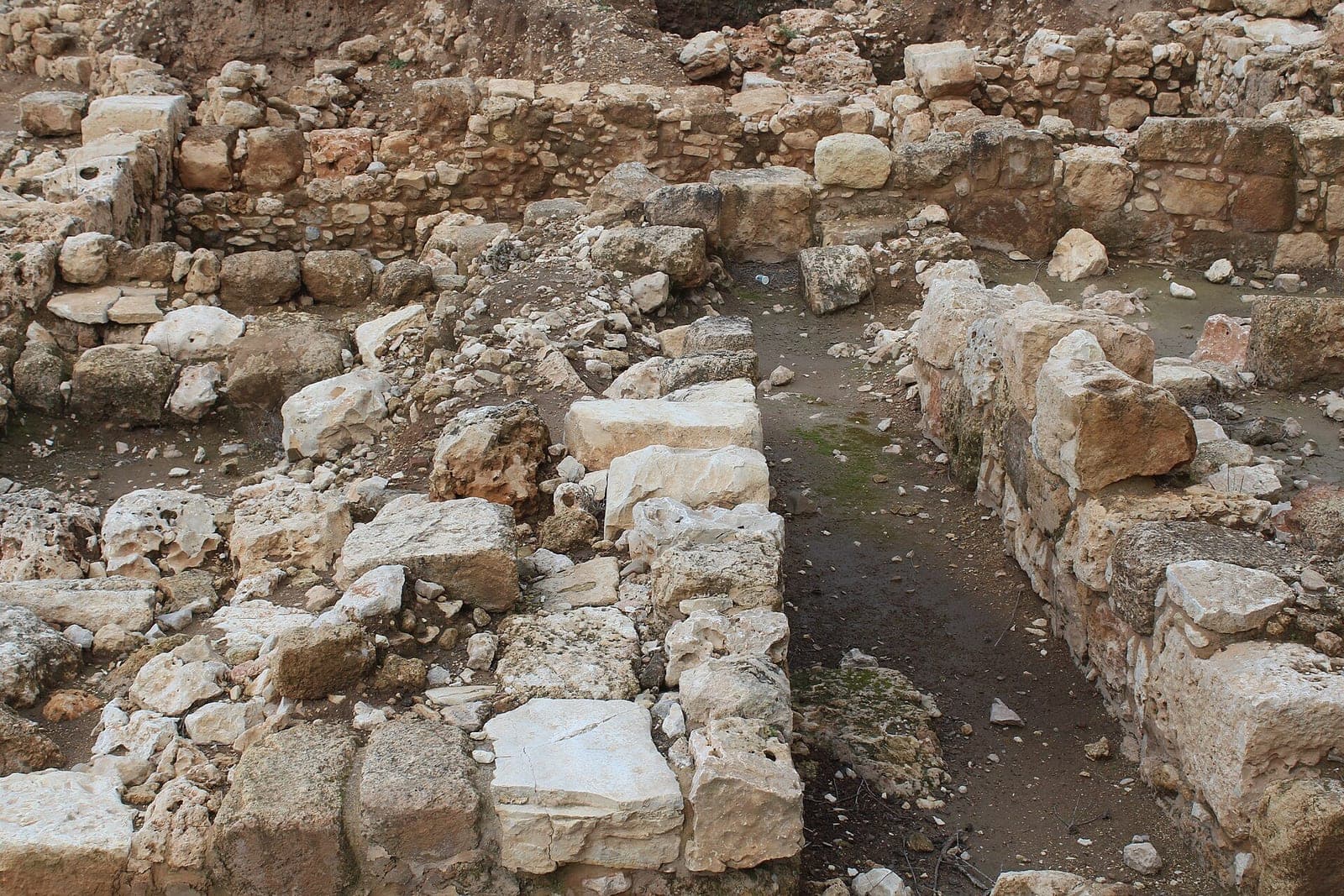
Photo: Deror Avi, via Wikimedia Commons. License: CC BY-SA 4.0. Source. Location: Tel Shiloh archaeological site, West Bank. Resized for the web.
Explore the places of the Bible
See where biblical events happened, why each place matters, and what archaeology helps us understand.
Shiloh
Where Israel set up the tabernacle, and where God called the boy Samuel.
Get full access with one subscription
Explore the people and places of the Bible. Read summaries of every book, with images and clear explanations covering every chapter. Access all these features and our Bible study tools with one subscription.
See PlansAsk AI about 1 Kings 7:3
Ask a question about this verse and get a clear answer, with Bible references you can read for yourself.
Every Bible book, explained chapter by chapter
Explore summaries of every book of the Bible, with images and easy-to-understand explanations covering every chapter.
Keep studying 1 Kings 7:3
Related Bible verses
Related topics
At a Glance — the Book of 1 Kings
- Author
- Author unknown; possibly Jeremiah
- Written
- Around 560 BC
- Genre
- Historical narrative
- Original Audience
- Exiled Israelites in Babylon
Frequently Asked Questions
Quick, clear answers about this verse
What does 1 Kings 7:3 mean?
1 Kings 7:3 describes the construction of King Solomon's temple, highlighting the use of cedar wood for the ceiling and the arrangement of 45 pillars in three rows. This reflects the architectural skill and the importance of quality materials in creating a majestic and stable structure.
What is the significance of cedar in 1 Kings 7:3?
Cedar is valued for its beauty and durability, making it an ideal choice for the temple's ceiling. Its use symbolizes the high standards and care taken in the construction of a sacred space.
What does the arrangement of pillars in 1 Kings 7:3 indicate?
The arrangement of 45 pillars in three rows of 15 each demonstrates careful planning and design in the temple's architecture. This organization not only provides structural support but also enhances the visual appeal of the space.
How does 1 Kings 7:3 reflect the values of its time?
The verse reflects the values of beauty, strength, and order in ancient architecture, showcasing the importance placed on creating impressive and meaningful spaces, particularly for worship and community.
Daily Verse — straight to your inbox
A verse and a 2-sentence plain-English explanation, every morning. Free. Unsubscribe anytime.