Old Testament
1 Samuel 10:16
Read the Bible in clear, modern English—easy to understand, faithful to the meaning, and written for everyday readers.
Saul told his uncle, "He assured us that the donkeys had been found." But he said nothing about what Samuel had told him regarding the kingship.
Compare translations
And Saul said unto his uncle, He told us plainly that the asses were found. But of the matter of the kingdom, whereof Samuel spake, he told him not.
What 1 Samuel 10:16 means
Plain-English insight for readers
In this moment, Saul is speaking to his uncle about a recent event. He shares that a man assured them the lost donkeys had been found, which is a relief. However, Saul chooses not to mention the significant news he received from Samuel about becoming king. This shows a moment of hesitation or perhaps humility on Saul's part. He might be unsure about how to share such a monumental change in his life. It highlights the contrast between the mundane concerns of everyday life and the extraordinary plans that God has for us. Saul's silence about his kingship suggests he is still processing this new identity and responsibility. It reminds us that sometimes we may hold back important truths, either out of fear or uncertainty. This passage encourages us to reflect on how we communicate our own significant experiences and the reasons we might choose to keep certain things private, even when they could inspire others or change our lives dramatically. Understanding our own journeys can help us navigate our relationships more authentically.
How to apply 1 Samuel 10:16 to your life
Consider the important moments in your life that you may hesitate to share. Reflect on why you might hold back and how sharing could impact your relationships. Embrace your journey and be open about your experiences, as they can inspire others and foster deeper connections. Your story matters, and it can encourage those around you to be authentic too. Don't underestimate the power of your voice in shaping your identity and community.
Curated for this public verse page. 1 Samuel Summary
Learn the Bible through its people and places
Get to know the people in Scripture through illustrated stories, and explore the places where they lived and traveled.

Illustrated scene from Samuel's story: Samuel Anoints Saul (1 Samuel 9:1–10:16)
Meet the people of the Bible
Follow their lives in order, with illustrated scenes and Bible passages that tell their stories.
 Samuel
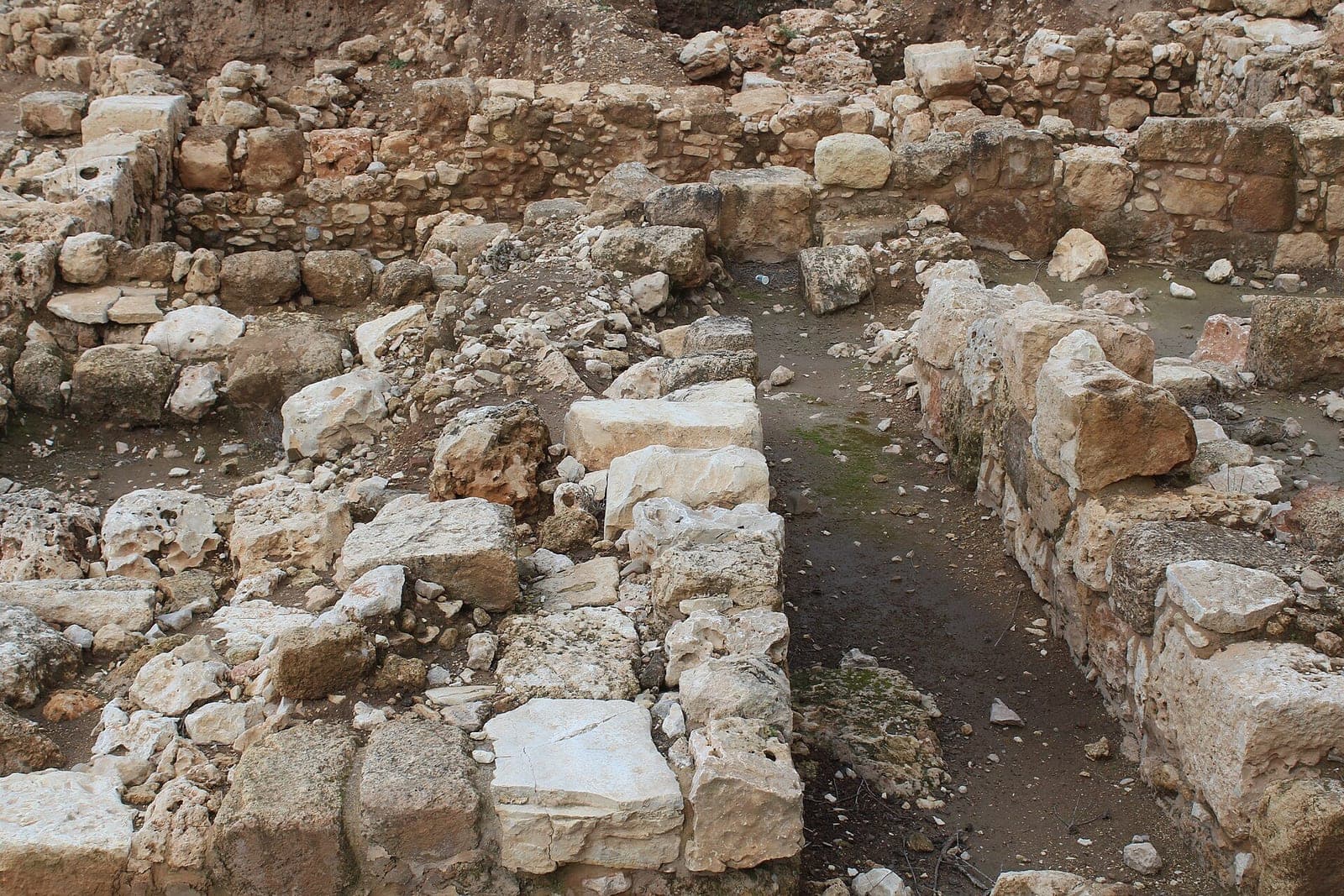
Photo: Deror Avi, via Wikimedia Commons. License: CC BY-SA 4.0. Source. Location: Tel Shiloh archaeological site, West Bank. Resized for the web.
Explore the places of the Bible
See where biblical events happened, why each place matters, and what archaeology helps us understand.
Shiloh
Where Israel set up the tabernacle, and where God called the boy Samuel.
Get full access with one subscription
Explore the people and places of the Bible. Read summaries of every book, with images and clear explanations covering every chapter. Access all these features and our Bible study tools with one subscription.
See PlansAsk AI about 1 Samuel 10:16
Ask a question about this verse and get a clear answer, with Bible references you can read for yourself.
Every Bible book, explained chapter by chapter
Explore summaries of every book of the Bible, with images and easy-to-understand explanations covering every chapter.
Keep studying 1 Samuel 10:16
Related Bible verses
Key themes
Related topics
At a Glance — the Book of 1 Samuel
- Author
- Traditionally attributed to Samuel, Nathan, and Gad
- Written
- Around 930 BC
- Genre
- Historical narrative
- Original Audience
- The Israelites of the early monarchy
Frequently Asked Questions
Quick, clear answers about this verse
What does 1 Samuel 10:16 mean?
1 Samuel 10:16 shows Saul discussing the recovery of lost donkeys with his uncle while omitting the news about his anointing as king. This reflects Saul's hesitation and humility regarding his new role and the significant change in his life.
What is the significance of Saul's silence about his kingship in 1 Samuel 10:16?
Saul's choice to remain silent about his kingship indicates his uncertainty and the weight of the responsibility he now carries. It highlights the contrast between everyday concerns and the extraordinary plans God has for him.
Why did Saul tell his uncle only about the donkeys in 1 Samuel 10:16?
Saul focused on the mundane issue of the lost donkeys because he may have felt overwhelmed by the monumental news of becoming king. His silence suggests he was still processing this new identity.
What can we learn from Saul's experience in 1 Samuel 10:16?
Saul's experience teaches us about the importance of communication and the reasons we might hesitate to share significant life changes. It encourages us to reflect on our own stories and the impact they can have on our relationships.
Daily Verse — straight to your inbox
A verse and a 2-sentence plain-English explanation, every morning. Free. Unsubscribe anytime.