New Testament
2 Corinthians 5:17
Read the Bible in clear, modern English—easy to understand, faithful to the meaning, and written for everyday readers.
So if anyone is in Christ, they are a new creation: old things have passed away; look, everything has become new!
Compare translations
Therefore if any man be in Christ, he is a new creature: old things are passed away; behold, all things are become new.
What 2 Corinthians 5:17 means
Plain-English insight for readers
When someone embraces a relationship with Christ, they undergo a profound transformation. This isn't just a minor change; it's like becoming a completely new person. The past, with all its mistakes and burdens, is left behind. Imagine shedding an old skin and stepping into a fresh, vibrant life. This new beginning means that everything about you can be renewed. Your thoughts, actions, and even your purpose can shift dramatically. It's an invitation to let go of what held you back and to embrace a future filled with hope and possibility. This change is not just superficial; it affects your entire being, allowing you to see the world through a new lens. You are not defined by your past but by the new life you have in Christ, which is full of potential and promise. This transformation is available to everyone, regardless of their history, and it opens the door to a life that reflects love, joy, and peace. Embrace this new identity and live it out every day with confidence.
How to apply 2 Corinthians 5:17 to your life
Reflect on your past and recognize what you need to let go of. Embrace your new identity in Christ and allow it to shape your daily choices. Seek out ways to live out this transformation in your relationships and community. Remember, you are not defined by your past but by your new life ahead. Celebrate this change every day as you grow in your faith and purpose.
Curated for this public verse page. 2 Corinthians Summary · 2 Corinthians 5:17 Meaning
Explore more of the Bible
Learn the Bible through its people and places
Get to know the people in Scripture through illustrated stories, and explore the places where they lived and traveled.
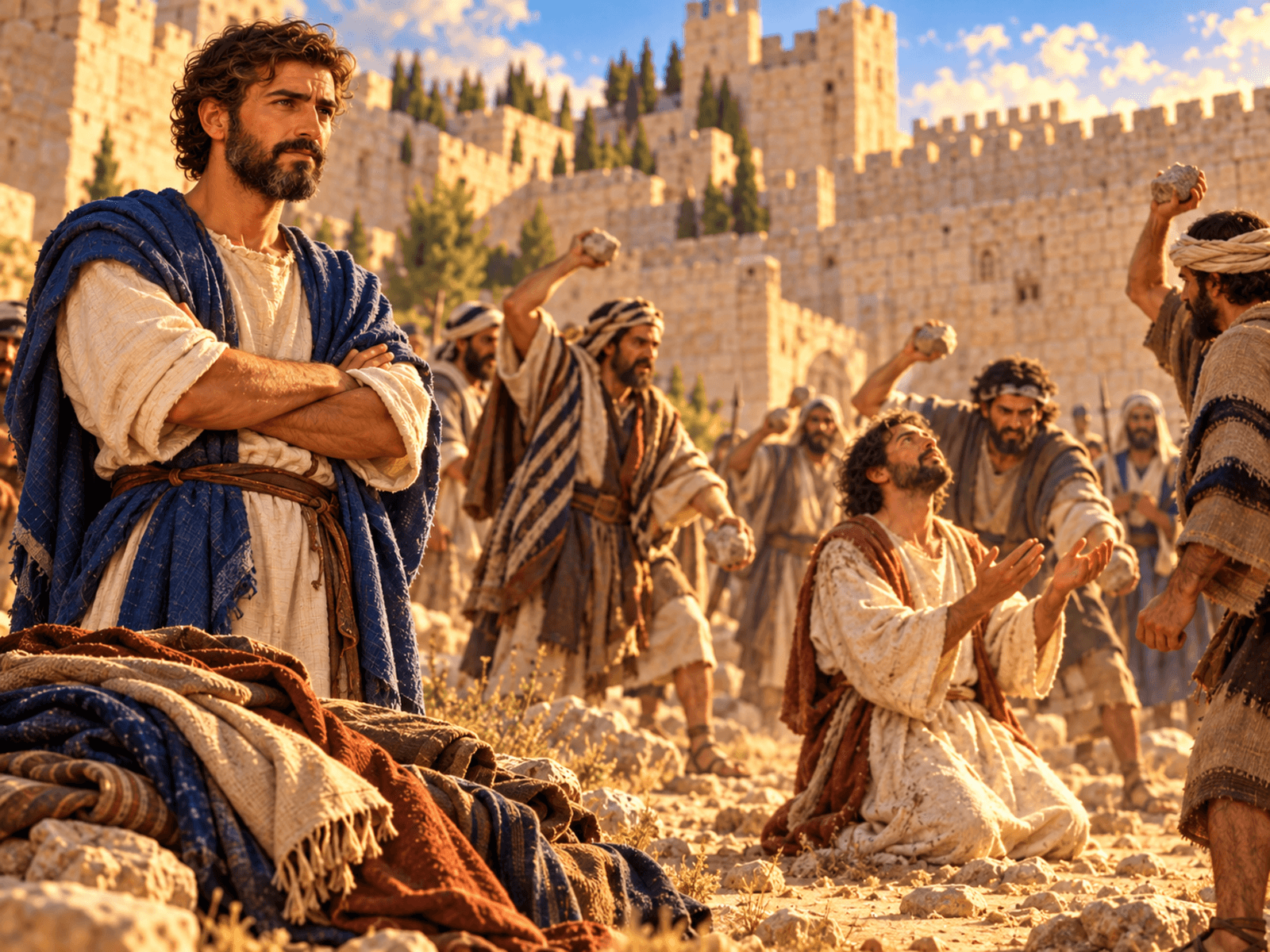
Illustrated scene from Paul's story: The Stoning of Stephen (Acts 7:57–8:2)
Meet the people of the Bible
Follow their lives in order, with illustrated scenes and Bible passages that tell their stories.
 Paul
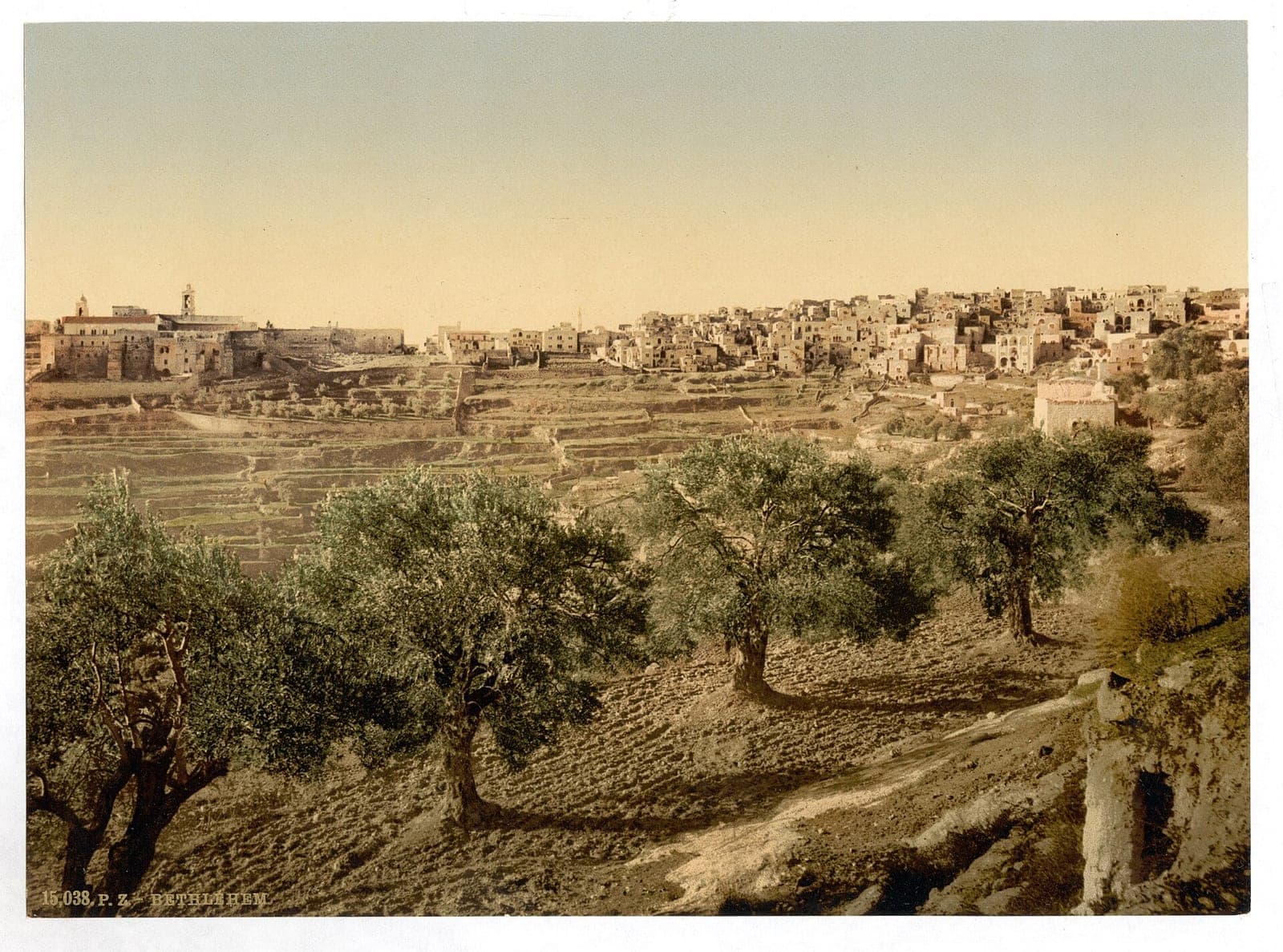
Photo: Photochrom print, Library of Congress Prints and Photographs Division (LCCN 2002724966). License: Public domain in the United States; Library of Congress states no known restrictions on publication. Source. Location: Bethlehem, West Bank; print preserved by the Library of Congress. Resized for the web.
Explore the places of the Bible
See where biblical events happened, why each place matters, and what archaeology helps us understand.
Bethlehem
David's hometown, and the town where Jesus was born.
Get full access with one subscription
Explore the people and places of the Bible. Read summaries of every book, with images and clear explanations covering every chapter. Access all these features and our Bible study tools with one subscription.
See PlansAsk AI about 2 Corinthians 5:17
Ask a question about this verse and get a clear answer, with Bible references you can read for yourself.
Fuller verse explanations
Explore what a verse means, what was happening around it, and how it connects to other Bible passages.
Plain Meaning
Anyone who is "in Christ" — joined to Him by faith — is a new creature. This is not a small improvement. The old things that defined that person have passed away. Everything has become new. Paul is saying that belonging to Christ brings a complete change of what a person is, not just what a person does.
Read It in Context
Verse 16 says Paul no longer judges anyone by outward, surface-level standards. Verse 17 follows from that: the reason those old standards no longer apply is that being in Christ makes a person entirely new. Verse 18 then ties this to God's work of reconciliation — bringing people back into a right relationship with Himself through Christ.
The full Clear view adds what to notice, common misreadings, and the passage that best explains this one — for 2 Corinthians 5:17 and any verse in the Bible.
Every Bible book, explained chapter by chapter
Explore summaries of every book of the Bible, with images and easy-to-understand explanations covering every chapter.
Keep studying 2 Corinthians 5:17
Related Bible verses
Key themes
Related topics
At a Glance — the Book of 2 Corinthians
- Author
- Paul the apostle
- Written
- Around AD 56
- Genre
- Letter (epistle)
- Original Audience
- The church in Corinth
Frequently Asked Questions
Quick, clear answers about this verse
What does 2 Corinthians 5:17 mean?
2 Corinthians 5:17 means that when someone becomes a follower of Christ, they experience a significant change in their life. This verse emphasizes that their old ways and past mistakes are left behind, and they start anew with a fresh perspective and purpose.
What is the meaning of 'new creation' in 2 Corinthians 5:17?
The term 'new creation' in 2 Corinthians 5:17 refers to a complete transformation of a person's identity and life when they accept Christ. It signifies that they are no longer defined by their past but are given a new life filled with hope and potential.
How can I apply 2 Corinthians 5:17 in my life?
To apply 2 Corinthians 5:17 in your life, reflect on what you need to let go of from your past and embrace your new identity in Christ. Make daily choices that align with this transformation and seek to live out this new life in your relationships and community.
What does 'old things have passed away' mean in this verse?
'Old things have passed away' in this verse means that the negative aspects of a person's past, such as sins and failures, are no longer relevant once they are in Christ. It signifies a clean slate and the opportunity for a fresh start.
Daily Verse — straight to your inbox
A verse and a 2-sentence plain-English explanation, every morning. Free. Unsubscribe anytime.