New Testament
1 Thessalonians 4:13
Read the Bible in clear, modern English—easy to understand, faithful to the meaning, and written for everyday readers.
Brothers and sisters, we don't want you to be uninformed about those who are asleep, so that you won't grieve like others who have no hope.
Compare translations
But I would not have you to be ignorant, brethren, concerning them which are asleep, that ye sorrow not, even as others which have no hope.
What 1 Thessalonians 4:13 means
Plain-English insight for readers
In this passage, the writer addresses the community of believers, expressing a desire to inform them about those who have died. The term 'asleep' is used to describe death, suggesting a temporary state rather than a final end. The writer encourages them not to grieve like those who lack hope. This hope comes from the belief in life after death, which is central to their faith. The message is clear: while loss is painful, it is not the end. Instead, there is a promise of reunion and eternal life for those who believe. This assurance can bring comfort during times of sorrow. The writer emphasizes the importance of understanding this hope to navigate grief in a healthier way. By knowing what lies ahead, believers can face loss with a sense of peace and expectation, rather than despair. This perspective transforms how we view death and loss, offering a profound sense of hope and connection to those we love, even after they are gone. It invites us to embrace life with a renewed sense of purpose.
How to apply 1 Thessalonians 4:13 to your life
When facing the loss of a loved one, remember the hope that comes from your beliefs. Share your feelings with others who understand this hope. Allow yourself to grieve, but also hold onto the promise of reunion. This perspective can help you find peace in difficult times. Embrace the support of your community as you navigate your emotions together.
Curated for this public verse page. 1 Thessalonians Summary
Explore more of the Bible
Learn the Bible through its people and places
Get to know the people in Scripture through illustrated stories, and explore the places where they lived and traveled.
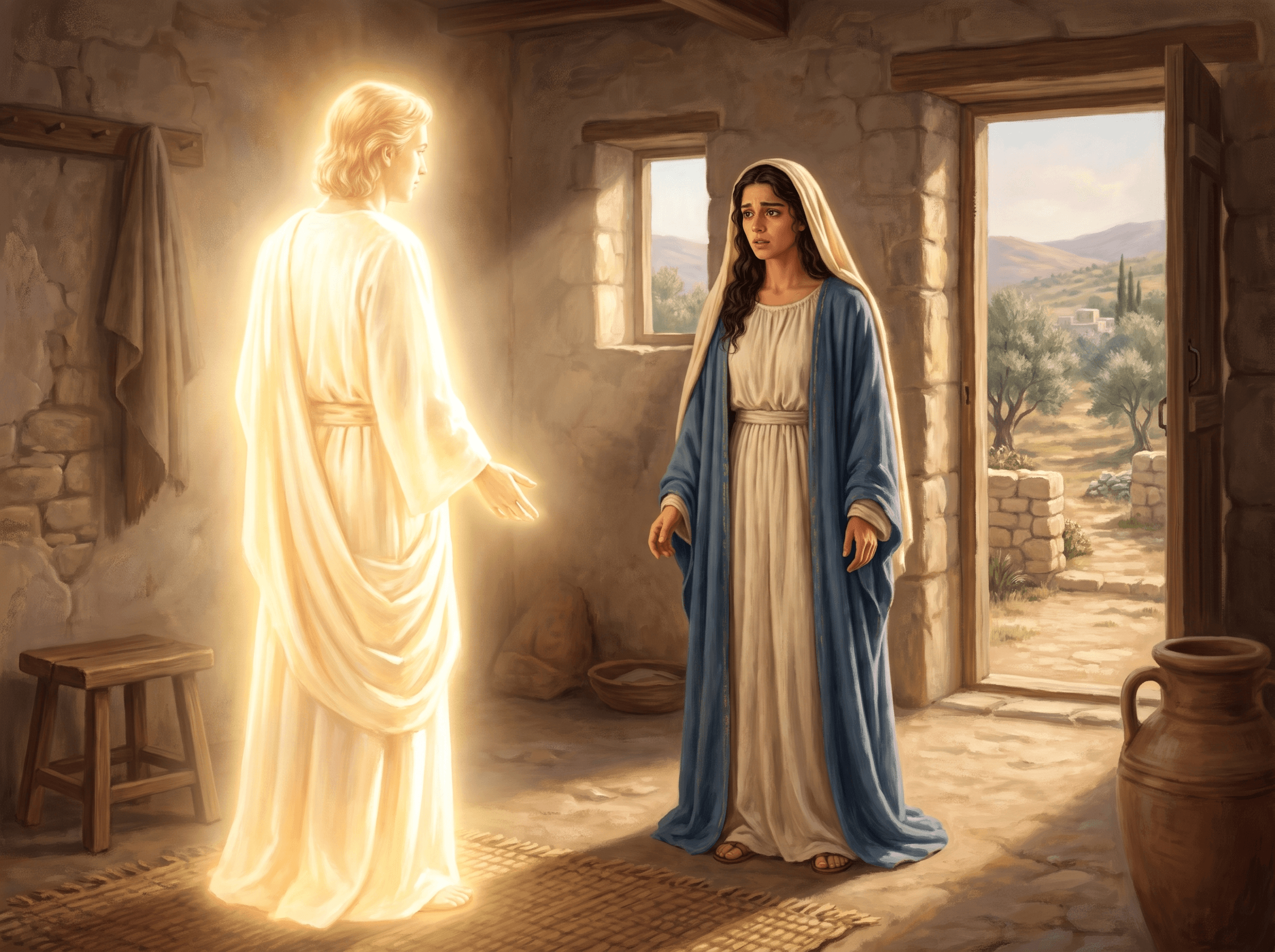
Illustrated scene from Mary, Jesus' mother's story: An Angel Visits Mary (Luke 1:26–38)
Meet the people of the Bible
Follow their lives in order, with illustrated scenes and Bible passages that tell their stories.
 Mary, Jesus' mother
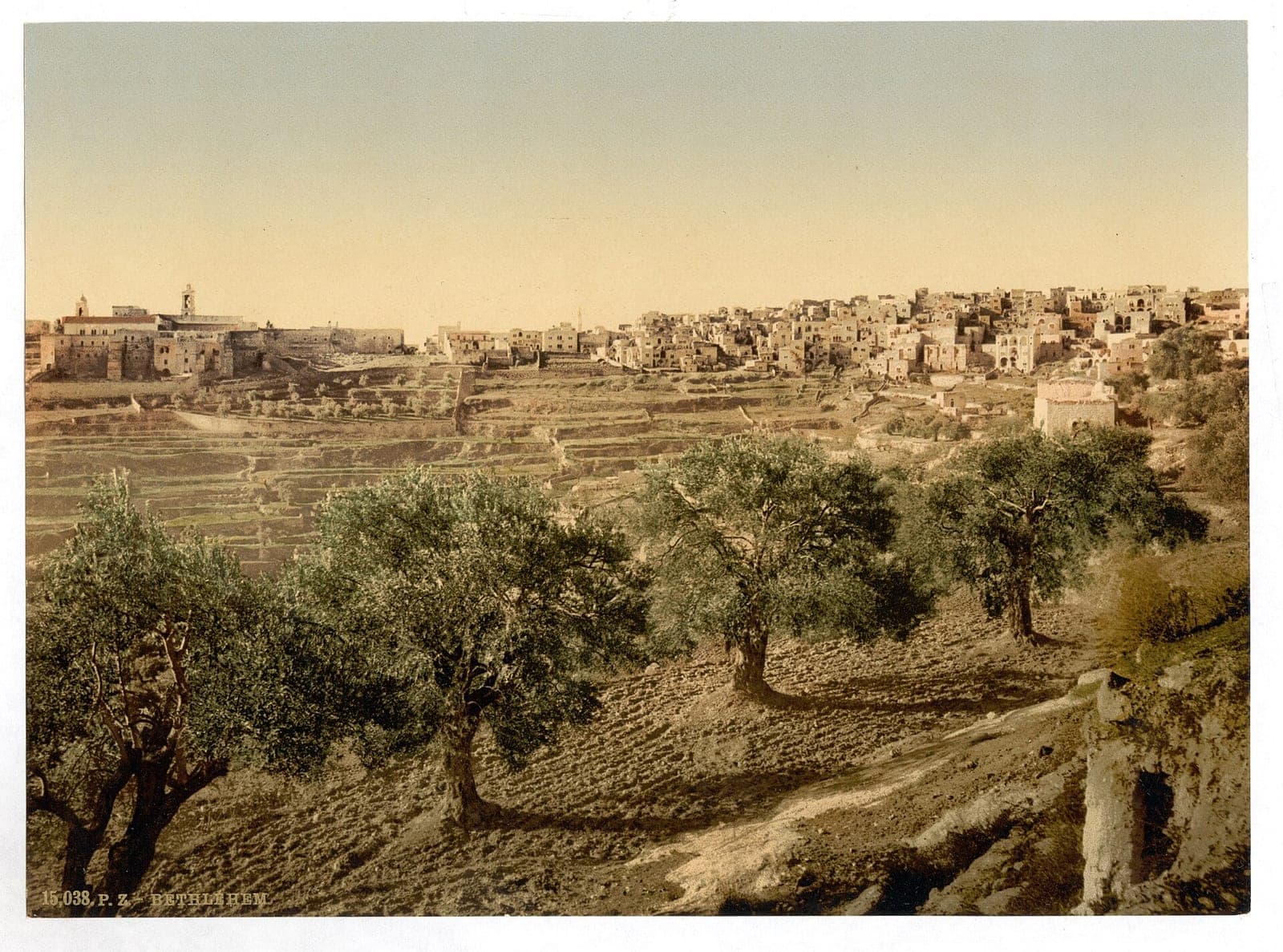
Photo: Photochrom print, Library of Congress Prints and Photographs Division (LCCN 2002724966). License: Public domain in the United States; Library of Congress states no known restrictions on publication. Source. Location: Bethlehem, West Bank; print preserved by the Library of Congress. Resized for the web.
Explore the places of the Bible
See where biblical events happened, why each place matters, and what archaeology helps us understand.
Bethlehem
David's hometown, and the town where Jesus was born.
Get full access with one subscription
Explore the people and places of the Bible. Read summaries of every book, with images and clear explanations covering every chapter. Access all these features and our Bible study tools with one subscription.
See PlansAsk AI about 1 Thessalonians 4:13
Ask a question about this verse and get a clear answer, with Bible references you can read for yourself.
Every Bible book, explained chapter by chapter
Explore summaries of every book of the Bible, with images and easy-to-understand explanations covering every chapter.
Keep studying 1 Thessalonians 4:13
Related Bible verses
At a Glance — the Book of 1 Thessalonians
- Author
- Paul the apostle
- Written
- Around AD 51
- Genre
- Letter (epistle)
- Original Audience
- The church in Thessalonica
Frequently Asked Questions
Quick, clear answers about this verse
What does 'asleep' mean in 1 Thessalonians 4:13?
In 1 Thessalonians 4:13, the term 'asleep' refers to death. It suggests that for believers, death is not the end but a temporary state before resurrection. This metaphor conveys the idea that just as sleep is a pause before waking, death is a pause before eternal life with God.
How should Christians grieve according to this verse?
Christians are encouraged to grieve with hope, as stated in 1 Thessalonians 4:13. While it is natural to feel sorrow after losing a loved one, believers are reminded that death is not the final chapter. Instead, they can find comfort in the promise of eternal life and the hope of being reunited with those who have died in faith.
What hope does 1 Thessalonians 4:13 offer to those who have lost loved ones?
1 Thessalonians 4:13 offers the hope of resurrection and eternal life. It reassures believers that death is not the end, but rather a transition to a new life. This hope encourages them to view loss through the lens of faith, knowing that they will one day be reunited with their loved ones who have passed away.
Why is community support important in times of grief?
Community support is vital during times of grief because it provides comfort, understanding, and shared hope. In 1 Thessalonians 4:13, the writer addresses the community, highlighting the importance of coming together to support one another. Sharing feelings and experiences with others who share the same beliefs can help individuals process their grief and find peace.
Daily Verse — straight to your inbox
A verse and a 2-sentence plain-English explanation, every morning. Free. Unsubscribe anytime.