New Testament
1 Timothy 1:20
Read the Bible in clear, modern English—easy to understand, faithful to the meaning, and written for everyday readers.
Hymenaeus and Alexander are among them. I handed them over to Satan so they would learn not to blaspheme.
Compare translations
Of whom is Hymenaeus and Alexander; whom I have delivered unto Satan, that they may learn not to blaspheme.
What 1 Timothy 1:20 means
Plain-English insight for readers
In this passage, Paul mentions two individuals, Hymenaeus and Alexander, who have strayed from the truth. By saying he handed them over to Satan, Paul indicates that they are facing serious consequences for their actions. This is not a punishment but a way for them to realize the gravity of their mistakes. The hope is that through this experience, they will understand the importance of respecting the truth and stop speaking against it. Paul’s action reflects a tough love approach, aiming for their eventual restoration. It shows that sometimes, people need to face the consequences of their choices to learn and grow. This passage serves as a reminder that accountability is essential in our spiritual journey. It emphasizes the need for honesty and integrity in our beliefs and actions, encouraging us to reflect on how we communicate our faith. Ultimately, it highlights the importance of learning from our errors and striving to align our lives with truth and respect for others.
How to apply 1 Timothy 1:20 to your life
Consider how you handle conflicts or disagreements in your life. Are you addressing issues directly, or are you allowing them to fester? Embrace accountability in your relationships, and encourage others to learn from their mistakes. This can lead to deeper understanding and stronger connections with those around you. Remember, growth often comes from facing challenges head-on, not avoiding them.
Curated for this public verse page. 1 Timothy Summary
Explore more of the Bible
Learn the Bible through its people and places
Get to know the people in Scripture through illustrated stories, and explore the places where they lived and traveled.
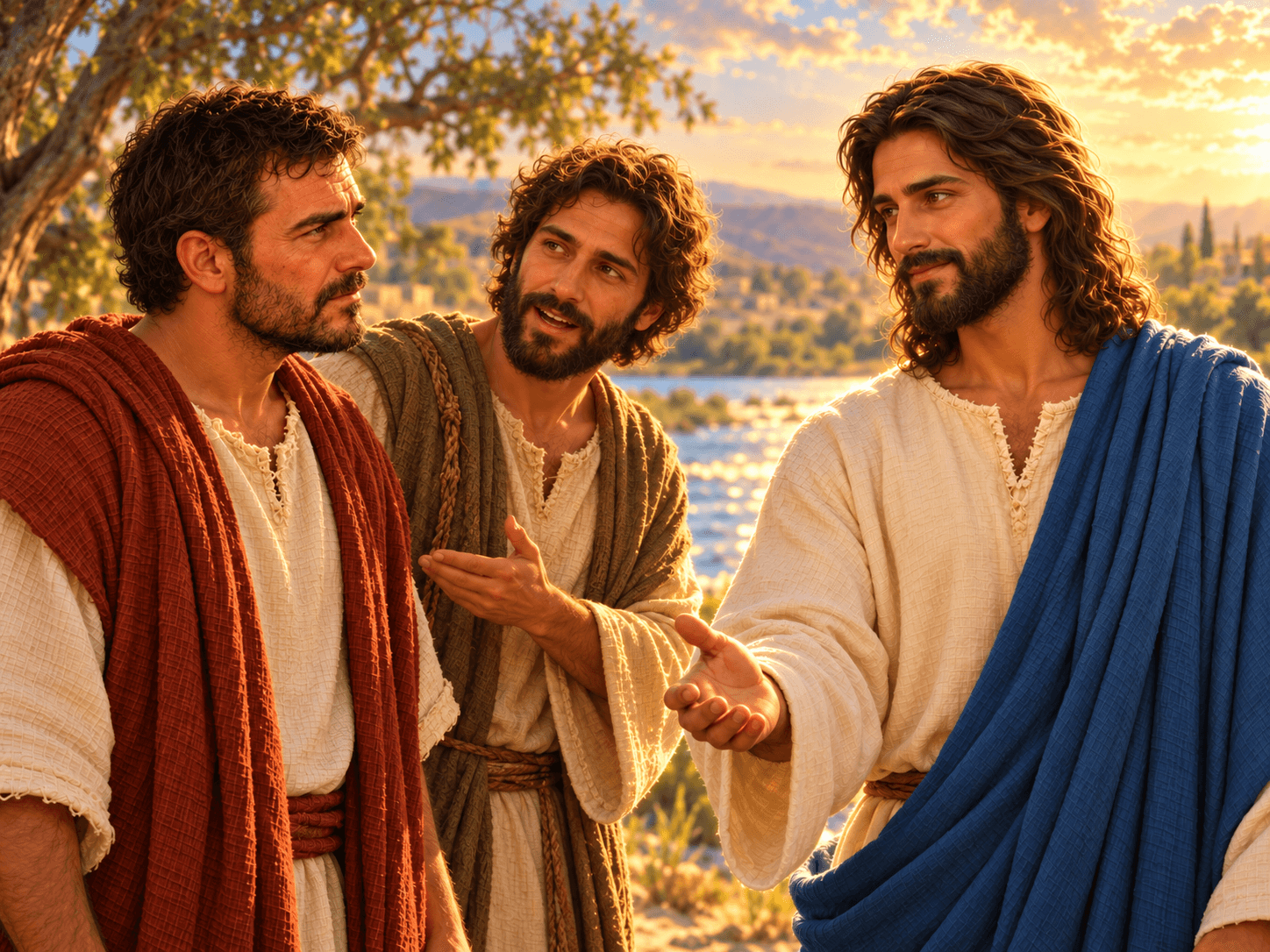
Illustrated scene from Peter's story: Andrew Brings Simon to Jesus (John 1:40–42)
Meet the people of the Bible
Follow their lives in order, with illustrated scenes and Bible passages that tell their stories.
 Peter

Photo: Gary Todd (Gary Lee Todd, Ph.D.), via Wikimedia Commons. License: CC0 1.0 Universal Public Domain Dedication. Source. Location: Southern end of the Temple Mount, Jerusalem Old City. Resized for the web.
Explore the places of the Bible
See where biblical events happened, why each place matters, and what archaeology helps us understand.
Jerusalem
David's capital, the city of the temple, and the place where Jesus died and rose again.
Get full access with one subscription
Explore the people and places of the Bible. Read summaries of every book, with images and clear explanations covering every chapter. Access all these features and our Bible study tools with one subscription.
See PlansAsk AI about 1 Timothy 1:20
Ask a question about this verse and get a clear answer, with Bible references you can read for yourself.
Every Bible book, explained chapter by chapter
Explore summaries of every book of the Bible, with images and easy-to-understand explanations covering every chapter.
Keep studying 1 Timothy 1:20
Related Bible verses
Key themes
Related topics
At a Glance — the Book of 1 Timothy
- Author
- Paul the apostle
- Written
- Around AD 62-66
- Genre
- Letter (pastoral epistle)
- Original Audience
- Timothy and the Ephesian church
Frequently Asked Questions
Quick, clear answers about this verse
Who are Hymenaeus and Alexander in 1 Timothy 1:20?
Hymenaeus and Alexander are two individuals mentioned by Paul as examples of those who have deviated from sound doctrine. Their specific teachings or actions are not detailed, but they represent a warning against false teachings and the importance of maintaining integrity in faith.
What is the purpose of church discipline as seen in this verse?
The purpose of church discipline, as illustrated in this verse, is to correct and restore individuals who are in error. It serves to hold them accountable for their actions, encouraging them to recognize the seriousness of their mistakes and ultimately guiding them back to a right relationship with God and the community.
How can this verse apply to modern Christian life?
This verse encourages Christians to take accountability seriously in their lives and communities. It highlights the importance of addressing conflicts and errors directly, fostering an environment where individuals can learn from their mistakes. This approach can lead to spiritual growth and stronger relationships within the church.
What does blasphemy refer to in the context of 1 Timothy 1:20?
In this context, blasphemy refers to speaking disrespectfully about God or the truth of the Gospel. It encompasses actions or teachings that distort or deny core Christian beliefs, which can lead others astray. Paul emphasizes the need for respect and integrity in communicating faith.
Daily Verse — straight to your inbox
A verse and a 2-sentence plain-English explanation, every morning. Free. Unsubscribe anytime.