Old Testament
2 Chronicles 9:31
Read the Bible in clear, modern English—easy to understand, faithful to the meaning, and written for everyday readers.
Solomon slept with his fathers and was buried in the city of David, his father's city. His son Rehoboam became king after him.
Compare translations
And Solomon slept with his fathers, and he was buried in the city of David his father: and Rehoboam his son reigned in his stead.
What 2 Chronicles 9:31 means
Plain-English insight for readers
In this passage, we learn about the end of King Solomon's life. He passed away and was laid to rest in the city of David, which was also the city of his father, King David. This signifies a connection to his heritage and the legacy he leaves behind. Following Solomon's death, his son Rehoboam took over the throne. This transition marks a significant moment in the history of Israel, as it sets the stage for the future of the kingdom. Solomon was known for his wisdom and wealth, and his reign was a time of prosperity. However, the next chapter in Israel's story begins with Rehoboam, who would face challenges that would test his leadership. The passage reminds us of the cycle of life and leadership, emphasizing the importance of legacy and the impact of our choices on future generations. It invites us to reflect on how we can build a meaningful legacy in our own lives, influencing those who come after us in positive ways. Our actions today shape the future for those we love.
How to apply 2 Chronicles 9:31 to your life
Consider what kind of legacy you want to leave behind. Reflect on your values and how they influence your decisions today. Think about the impact you have on your family and community. Strive to make choices that will inspire and guide future generations positively. Your life can be a source of strength for others, just like Solomon's was for Rehoboam.
Curated for this public verse page. 2 Chronicles Summary
Learn the Bible through its people and places
Get to know the people in Scripture through illustrated stories, and explore the places where they lived and traveled.
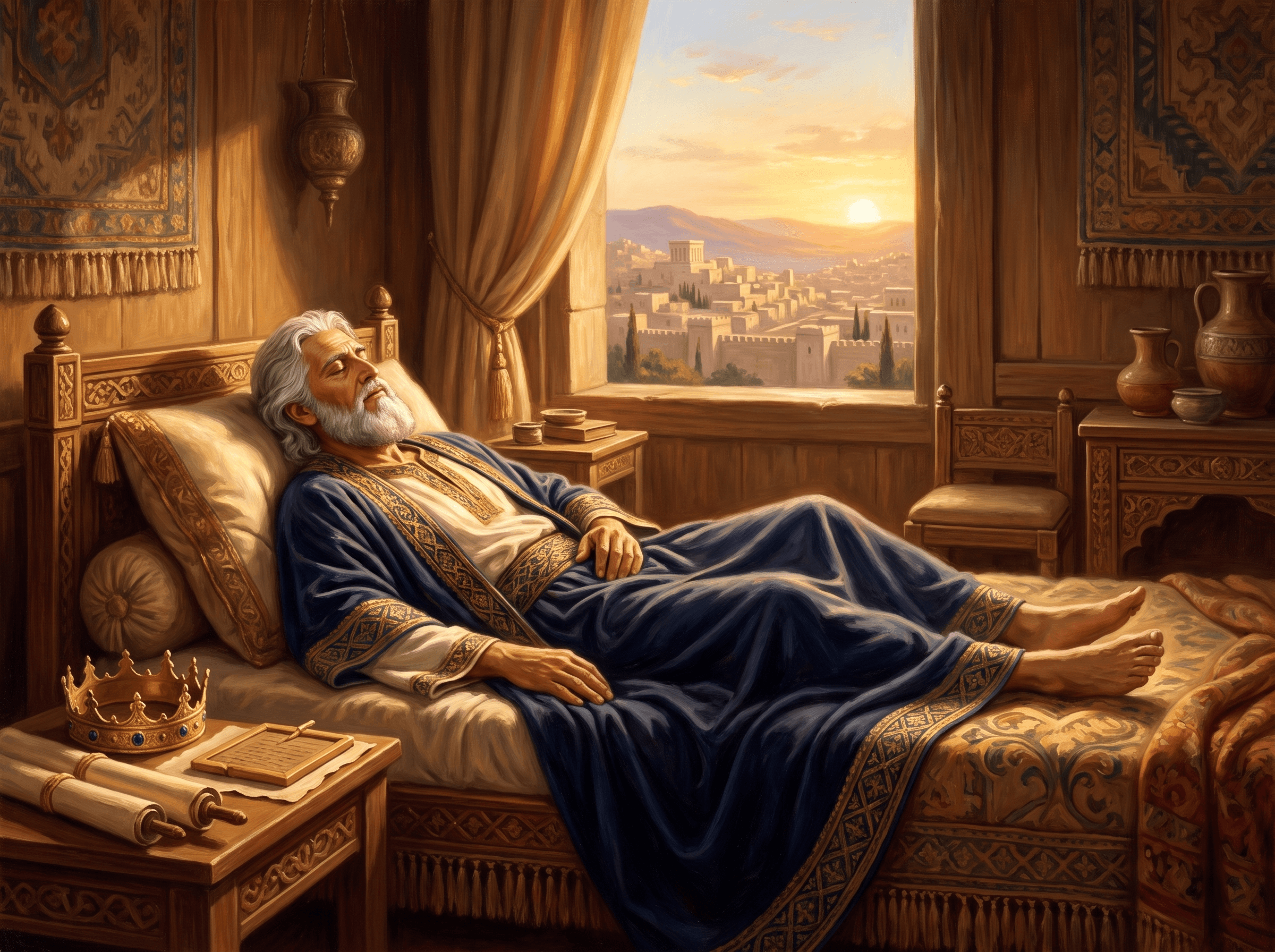
Illustrated scene from Solomon's story: The Death of Solomon (2 Chronicles 9:29–31)
Meet the people of the Bible
Follow their lives in order, with illustrated scenes and Bible passages that tell their stories.
 Solomon

Photo: Diego Delso, via Wikimedia Commons. License: CC BY-SA 3.0. Source. Location: Tell es-Sultan, Jericho, West Bank. Resized for the web.
Explore the places of the Bible
See where biblical events happened, why each place matters, and what archaeology helps us understand.
Jericho
The city of palm trees, whose walls fell in Joshua's day.
Get full access with one subscription
Explore the people and places of the Bible. Read summaries of every book, with images and clear explanations covering every chapter. Access all these features and our Bible study tools with one subscription.
See PlansAsk AI about 2 Chronicles 9:31
Ask a question about this verse and get a clear answer, with Bible references you can read for yourself.
Every Bible book, explained chapter by chapter
Explore summaries of every book of the Bible, with images and easy-to-understand explanations covering every chapter.
Keep studying 2 Chronicles 9:31
Related Bible verses
Key themes
Related topics
At a Glance — the Book of 2 Chronicles
- Author
- Traditionally attributed to Ezra
- Written
- Around 430 BC
- Genre
- Historical narrative
- Original Audience
- Post-exilic Jews
Frequently Asked Questions
Quick, clear answers about this verse
What does 2 Chronicles 9:31 mean?
2 Chronicles 9:31 describes the death of King Solomon and his burial in the city of David, highlighting his connection to his father, King David. It also notes that Solomon's son, Rehoboam, succeeded him as king, marking a significant transition in Israel's leadership.
What does the transition from Solomon to Rehoboam represent?
The transition from Solomon to Rehoboam represents a pivotal moment in Israel's history, indicating a change in leadership and the challenges that Rehoboam would face as he took over the throne after his father's prosperous reign.
What themes are present in 2 Chronicles 9:31?
Key themes in 2 Chronicles 9:31 include legacy, leadership, family, and the transition of power. The verse emphasizes the importance of heritage and the impact of one's life choices on future generations.
How can we apply the lessons from 2 Chronicles 9:31 to our lives?
We can apply the lessons from 2 Chronicles 9:31 by reflecting on the legacy we want to leave behind. It's important to consider how our values and decisions influence our family and community, aiming to inspire future generations positively.
Daily Verse — straight to your inbox
A verse and a 2-sentence plain-English explanation, every morning. Free. Unsubscribe anytime.