New Testament
2 Corinthians 11:7
Read the Bible in clear, modern English—easy to understand, faithful to the meaning, and written for everyday readers.
Did I commit an offense by humbling myself so that you might be exalted, because I preached the gospel of God to you free of charge?
Compare translations
Have I committed an offence in abasing myself that ye might be exalted, because I have preached to you the gospel of God freely?
What 2 Corinthians 11:7 means
Plain-English insight for readers
In this verse, Paul is expressing a sense of humility and questioning whether his actions have been misunderstood. He lowered himself, putting aside his own status, so that the people he preached to could be lifted up and find hope. By sharing the gospel without charging them, he demonstrated his genuine love and commitment to their well-being. Paul is essentially asking if his selflessness has been seen as a fault. He wants them to understand that his intention was never to offend but to serve. This highlights the importance of humility in leadership and the sacrifices made for the benefit of others. It’s a reminder that true service often comes at a personal cost, and that sometimes, our best intentions can be misinterpreted. Paul’s message encourages us to reflect on our motives and the impact of our actions on those around us, urging us to prioritize the needs of others over our own pride or reputation. His example challenges us to consider how we can serve selflessly in our own lives.
How to apply 2 Corinthians 11:7 to your life
Consider how you can serve others without expecting anything in return. Reflect on your own actions and motivations—are you putting others first? Look for opportunities to help those around you, even if it means sacrificing your own comfort or status. Your selfless acts can inspire and uplift others in profound ways. Remember, true greatness often lies in humility and service to others, not in seeking recognition or reward.
Curated for this public verse page. 2 Corinthians Summary
Explore more of the Bible
Learn the Bible through its people and places
Get to know the people in Scripture through illustrated stories, and explore the places where they lived and traveled.
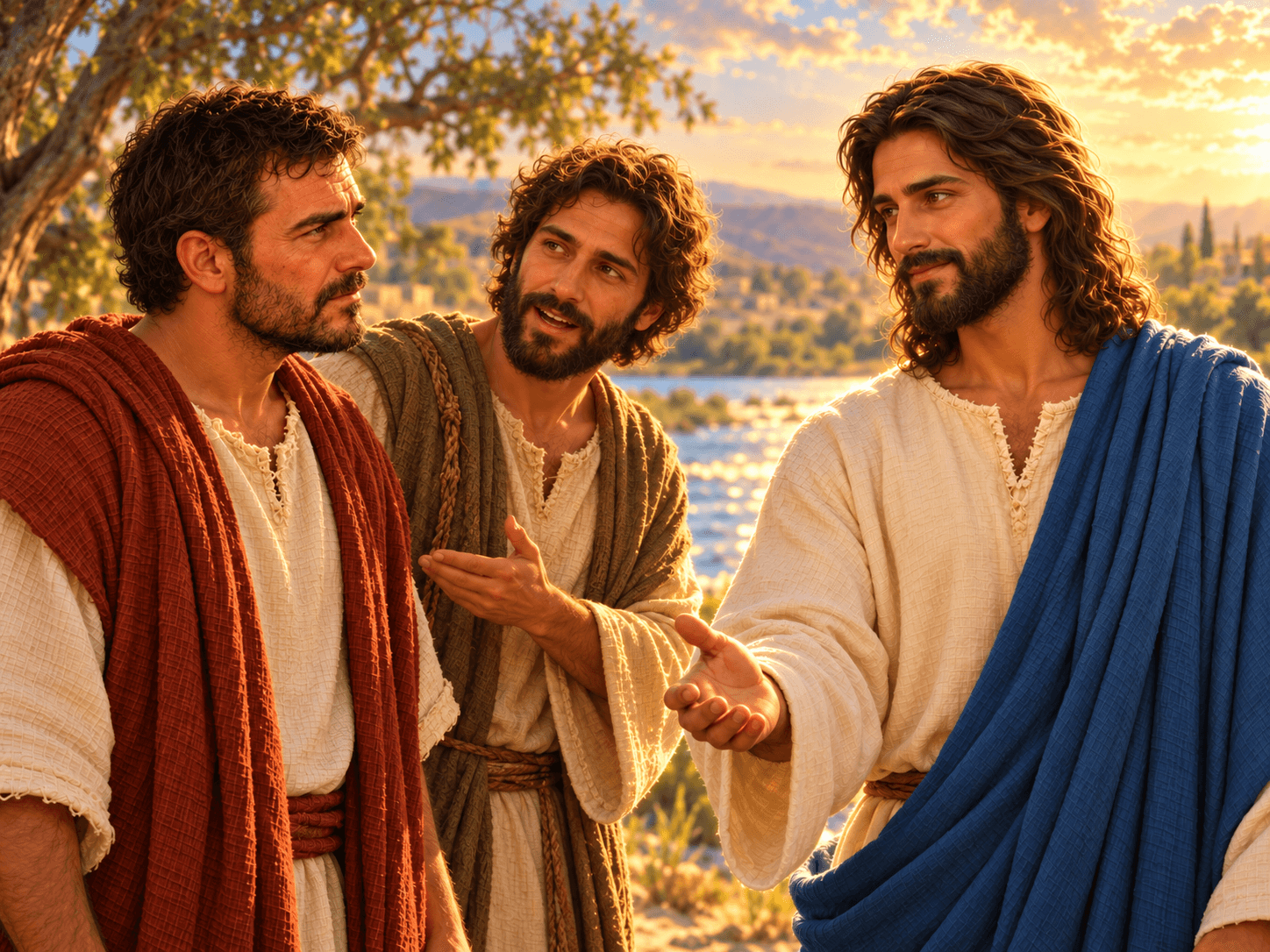
Illustrated scene from Peter's story: Andrew Brings Simon to Jesus (John 1:40–42)
Meet the people of the Bible
Follow their lives in order, with illustrated scenes and Bible passages that tell their stories.
 Peter

Photo: Photochrom print, Library of Congress Prints and Photographs Division (LCCN 2002725045). License: Public domain in the United States; Library of Congress states no known restrictions on publication. Source. Location: Nazareth, Israel; print preserved by the Library of Congress. Resized for the web.
Explore the places of the Bible
See where biblical events happened, why each place matters, and what archaeology helps us understand.
Nazareth
The small town in Galilee where Jesus grew up.
Get full access with one subscription
Explore the people and places of the Bible. Read summaries of every book, with images and clear explanations covering every chapter. Access all these features and our Bible study tools with one subscription.
See PlansAsk AI about 2 Corinthians 11:7
Ask a question about this verse and get a clear answer, with Bible references you can read for yourself.
Every Bible book, explained chapter by chapter
Explore summaries of every book of the Bible, with images and easy-to-understand explanations covering every chapter.
Keep studying 2 Corinthians 11:7
Related Bible verses
Key themes
At a Glance — the Book of 2 Corinthians
- Author
- Paul the apostle
- Written
- Around AD 56
- Genre
- Letter (epistle)
- Original Audience
- The church in Corinth
Frequently Asked Questions
Quick, clear answers about this verse
What does 2 Corinthians 11:7 teach about humility?
2 Corinthians 11:7 emphasizes the importance of humility in leadership. Paul demonstrates that true leaders often lower themselves for the benefit of others. His willingness to preach the gospel without charge reflects a selfless attitude, showing that serving others can sometimes be misunderstood as weakness. This verse encourages us to embrace humility and prioritize the needs of those we serve.
Why did Paul preach the gospel free of charge?
Paul preached the gospel free of charge to demonstrate his genuine love and commitment to the people he served. By not charging for his teachings, he aimed to remove any barriers that might prevent them from receiving the message. This act of selflessness highlights his desire to uplift others and serve them without expecting anything in return, reinforcing the core message of the gospel.
How can I apply the message of 2 Corinthians 11:7 in my life?
To apply the message of 2 Corinthians 11:7, look for ways to serve others selflessly. This could mean volunteering your time, helping a neighbor, or offering support without expecting anything back. Reflect on your motivations—are you genuinely seeking to uplift others? By prioritizing the needs of those around you, you can embody the humility and service that Paul exemplified.
Why might selflessness be misinterpreted according to this verse?
Selflessness can be misinterpreted because people may view humility as a weakness or an offense. In 2 Corinthians 11:7, Paul expresses concern that his actions, meant to serve and uplift others, might be misunderstood. This highlights the challenge of being selfless in a world that often values pride and recognition, reminding us that our best intentions can sometimes be misread.
Daily Verse — straight to your inbox
A verse and a 2-sentence plain-English explanation, every morning. Free. Unsubscribe anytime.