Old Testament
2 Kings 1:11
Read the Bible in clear, modern English—easy to understand, faithful to the meaning, and written for everyday readers.
The king sent another captain with 50 more soldiers. This captain called up, "Man of God, the king says, 'Come down right now!'"
Compare translations
Again also he sent unto him another captain of fifty with his fifty. And he answered and said unto him, O man of God, thus hath the king said, Come down quickly.
What 2 Kings 1:11 means
Plain-English insight for readers
In this passage, we see a king who is desperate to assert his authority. He sends a captain with 50 soldiers to confront a man of God, demanding that he come down immediately. This reflects the king's arrogance and his belief that he can control the situation. The captain's call shows the tension between earthly power and divine authority. The phrase 'man of God' indicates respect, yet the command to come down quickly reveals a lack of understanding of the prophet's role. This moment highlights the struggle between faith and the pressures of worldly demands. It serves as a reminder that true power lies not in human authority but in the divine. The king's insistence on immediate compliance illustrates how often people try to force their will upon others, especially those who stand for truth. Ultimately, this story invites us to reflect on how we respond to authority and the importance of recognizing the greater power at work in our lives, beyond what we can see or control.
How to apply 2 Kings 1:11 to your life
When faced with authority that challenges your beliefs, remember to stand firm in your values. It's important to recognize the difference between worldly power and spiritual truth. Trust in your convictions and seek guidance from a higher source when pressured to conform. Your faith can provide strength in difficult situations, helping you navigate challenges with grace and integrity. Stay true to what you believe in, even when it's hard.
Curated for this public verse page. 2 Kings Summary
Learn the Bible through its people and places
Get to know the people in Scripture through illustrated stories, and explore the places where they lived and traveled.

Illustrated scene from Elijah's story: Elijah and King Ahaziah (2 Kings 1:1–17)
Meet the people of the Bible
Follow their lives in order, with illustrated scenes and Bible passages that tell their stories.
 Elijah
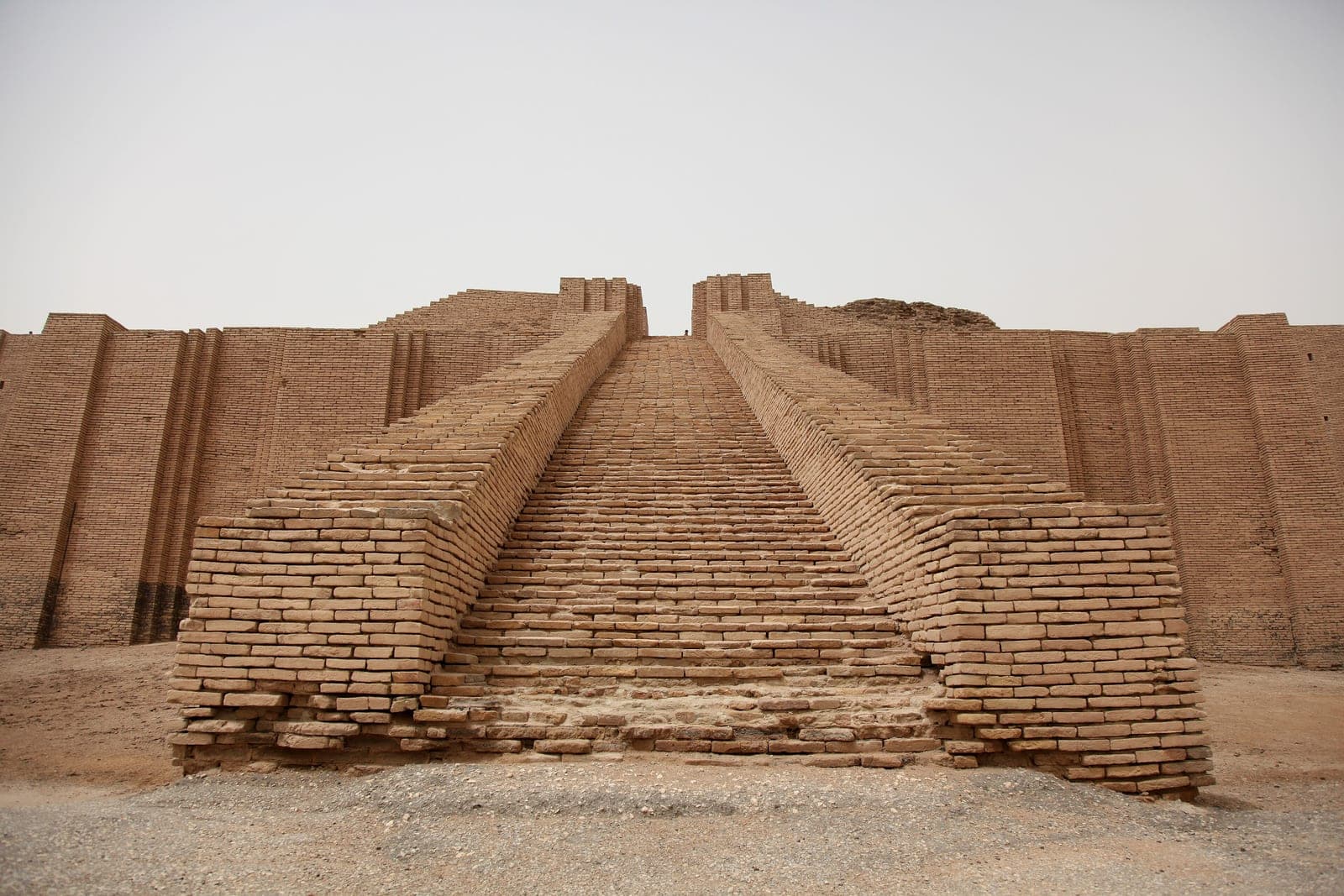
Photo: U.S. Army photo by Spc. Samantha R. Ciaramitaro, via DVIDS and Wikimedia Commons. License: Public domain in the United States — U.S. federal-government work. Source. Location: Great Ziggurat, Ur Archaeological City (Tell el-Mukayyar), Dhi Qar Governorate, Iraq. Resized for the web.
Explore the places of the Bible
See where biblical events happened, why each place matters, and what archaeology helps us understand.
Ur
The city Abram's family left to travel toward Canaan.
Get full access with one subscription
Explore the people and places of the Bible. Read summaries of every book, with images and clear explanations covering every chapter. Access all these features and our Bible study tools with one subscription.
See PlansAsk AI about 2 Kings 1:11
Ask a question about this verse and get a clear answer, with Bible references you can read for yourself.
Every Bible book, explained chapter by chapter
Explore summaries of every book of the Bible, with images and easy-to-understand explanations covering every chapter.
Keep studying 2 Kings 1:11
Related Bible verses
Related topics
At a Glance — the Book of 2 Kings
- Author
- Author unknown; possibly Jeremiah
- Written
- Around 560 BC
- Genre
- Historical narrative
- Original Audience
- Exiled Israelites in Babylon
Frequently Asked Questions
Quick, clear answers about this verse
What does 2 Kings 1:11 teach about authority?
This verse illustrates the tension between earthly authority and divine power. The king's demand for the prophet to come down immediately reflects his arrogance and misunderstanding of the prophet's role. It serves as a reminder that true authority comes from God, and human attempts to exert control can often lead to conflict with divine will.
How can I apply the message of 2 Kings 1:11 in my life?
When confronted with authority that challenges your beliefs, it's crucial to stand firm in your values. This verse encourages you to recognize the difference between worldly power and spiritual truth. Trust in your convictions and seek guidance from a higher source when pressured to conform, allowing your faith to provide strength in difficult situations.
What does 'man of God' signify in this verse?
The term 'man of God' signifies respect for the prophet's role and divine authority. However, the captain's command to come down quickly reveals a lack of understanding of the prophet's mission. This highlights the struggle between recognizing spiritual authority and the pressures of human demands.
What is the significance of the king's command in this passage?
The king's command to the prophet underscores his desperation to assert control and authority. It reflects a common human tendency to try to force compliance, especially from those who represent truth and faith. This moment serves as a reminder of the importance of humility and respect for divine authority.
Daily Verse — straight to your inbox
A verse and a 2-sentence plain-English explanation, every morning. Free. Unsubscribe anytime.