Old Testament
2 Kings 12:3
Read the Bible in clear, modern English—easy to understand, faithful to the meaning, and written for everyday readers.
But the high places were not removed: the people continued to offer sacrifices and burn incense at the high places.
Compare translations
But the high places were not taken away: the people still sacrificed and burnt incense in the high places.
What 2 Kings 12:3 means
Plain-English insight for readers
In this passage, we see that despite the king's efforts to restore proper worship, the high places remained. These were locations where people continued to offer sacrifices and burn incense, which was not in line with the intended worship practices. The high places represented a mix of worship that deviated from the central place of worship. The people's actions showed a reluctance to fully commit to the changes that were needed. They clung to old habits and traditions, even when they were not aligned with what was right. This highlights a struggle between following established practices and embracing a more authentic way of worship. The king's reforms were not enough to change the hearts of the people, who continued to seek God in ways that were not prescribed. This situation serves as a reminder of the challenges in making meaningful changes in our lives and communities, especially when it comes to deeply rooted beliefs and practices. It encourages us to reflect on our own habits and consider whether they truly align with our values.
How to apply 2 Kings 12:3 to your life
Consider areas in your life where you may be holding onto old habits that don't serve your growth. Reflect on how you can embrace change and align your actions with your values. It’s important to seek authenticity in your beliefs and practices, even when it’s challenging. Take small steps towards meaningful change today. You have the power to transform your habits for the better, one choice at a time.
Curated for this public verse page. 2 Kings Summary
Explore more of the Bible
Learn the Bible through its people and places
Get to know the people in Scripture through illustrated stories, and explore the places where they lived and traveled.

Illustrated scene from David's story: Samuel Anoints David (1 Samuel 16:1–13)
Meet the people of the Bible
Follow their lives in order, with illustrated scenes and Bible passages that tell their stories.
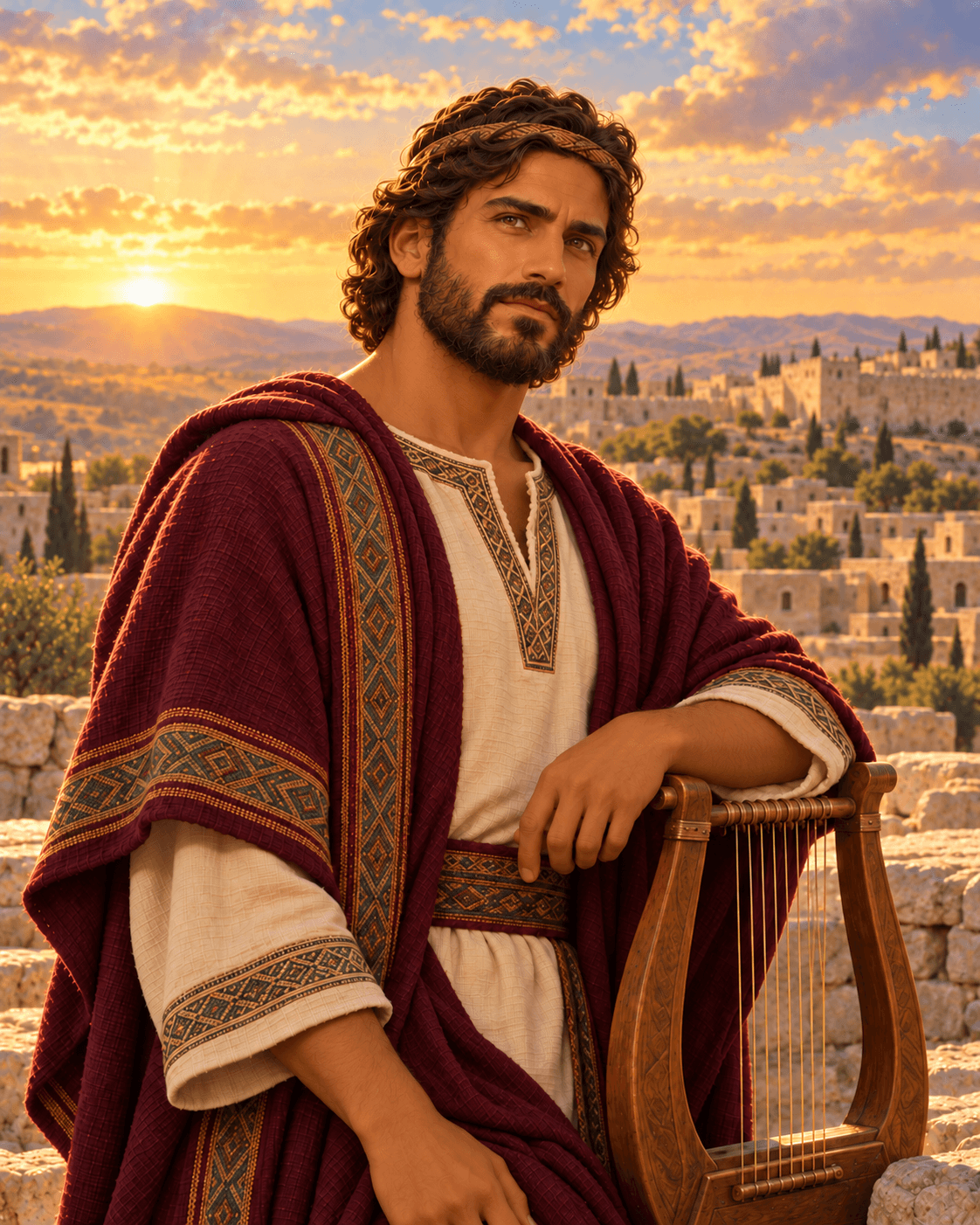 David
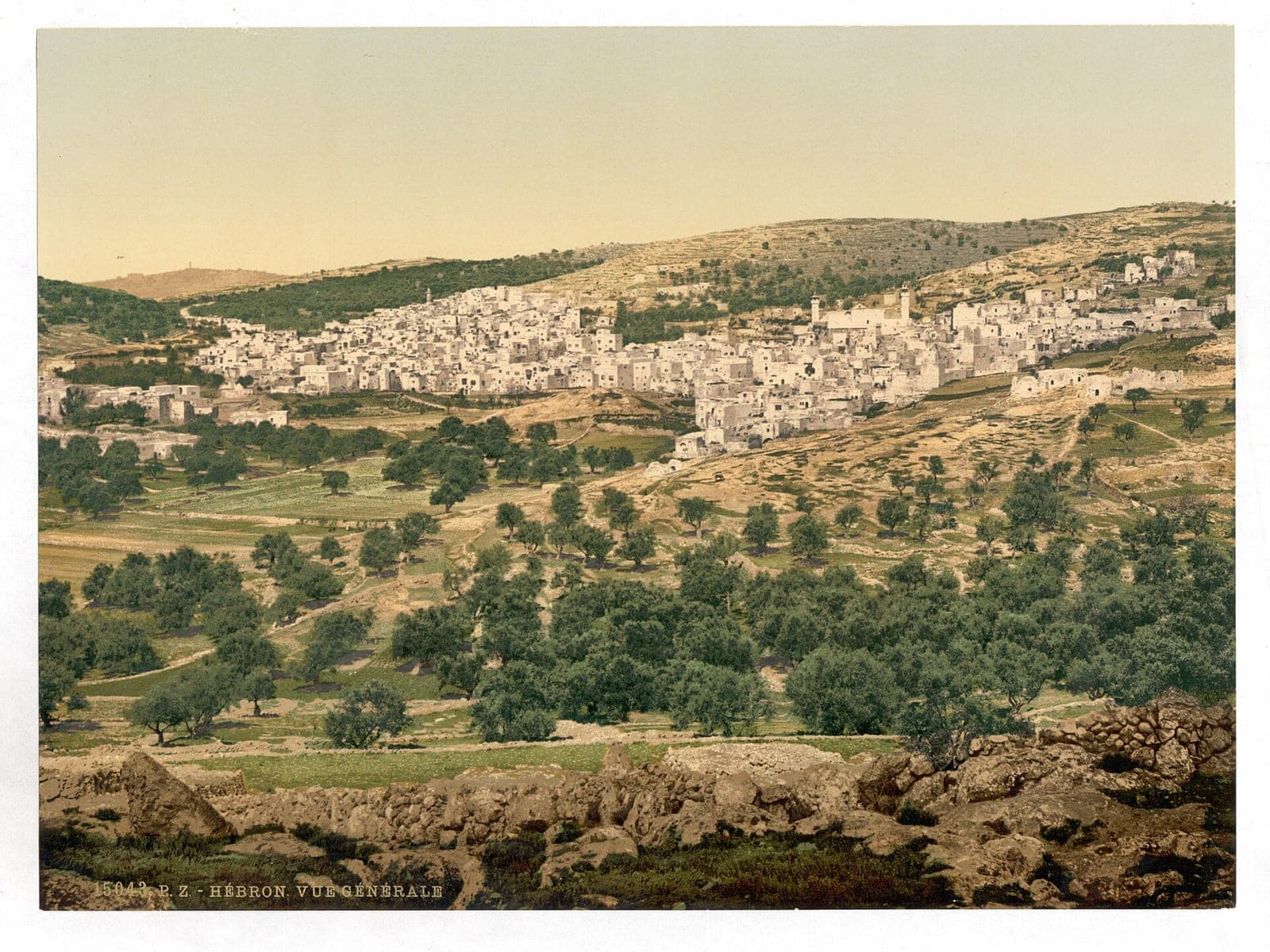
Photo: Photochrom print, Library of Congress Prints and Photographs Division (LCCN 2002724987). License: Public domain in the United States; Library of Congress states no known restrictions on publication. Source. Location: Hebron, West Bank; print preserved by the Library of Congress. Resized for the web.
Explore the places of the Bible
See where biblical events happened, why each place matters, and what archaeology helps us understand.
Hebron
Where Abraham lived and buried Sarah, and where David was first made king.
Get full access with one subscription
Explore the people and places of the Bible. Read summaries of every book, with images and clear explanations covering every chapter. Access all these features and our Bible study tools with one subscription.
See PlansAsk AI about 2 Kings 12:3
Ask a question about this verse and get a clear answer, with Bible references you can read for yourself.
Every Bible book, explained chapter by chapter
Explore summaries of every book of the Bible, with images and easy-to-understand explanations covering every chapter.
Keep studying 2 Kings 12:3
Related Bible verses
Key themes
Related topics
At a Glance — the Book of 2 Kings
- Author
- Author unknown; possibly Jeremiah
- Written
- Around 560 BC
- Genre
- Historical narrative
- Original Audience
- Exiled Israelites in Babylon
Frequently Asked Questions
Quick, clear answers about this verse
What does 2 Kings 12:3 mean?
2 Kings 12:3 highlights that despite the king's attempts to reform worship practices, the high places where people offered sacrifices remained. This indicates a resistance to fully abandon old traditions that were not aligned with proper worship.
What is the significance of high places in 2 Kings 12:3?
High places in 2 Kings 12:3 were sites of worship that deviated from the central place of worship prescribed by God. Their continued use reflects the people's unwillingness to fully commit to the reforms and embrace a more authentic form of worship.
Why didn't the king remove the high places in 2 Kings 12:3?
The king did not remove the high places because the people's attachment to these sites was strong, showing a struggle between established traditions and the need for change in worship practices.
What does 2 Kings 12:3 teach about spiritual commitment?
This verse teaches that true spiritual commitment requires more than just external reforms; it involves a deep change of heart and willingness to let go of old habits that do not align with one's values.
Daily Verse — straight to your inbox
A verse and a 2-sentence plain-English explanation, every morning. Free. Unsubscribe anytime.