Old Testament
2 Kings 14:1
Read the Bible in clear, modern English—easy to understand, faithful to the meaning, and written for everyday readers.
Amaziah son of Joash became king of Judah during the 2nd year of King Joash son of Jehoahaz of Israel's reign.
Compare translations
In the second year of Joash son of Jehoahaz king of Israel reigned Amaziah the son of Joash king of Judah.
What 2 Kings 14:1 means
Plain-English insight for readers
Amaziah, the son of Joash, took the throne of Judah during a significant time in Israel's history. This moment marked the beginning of his reign in the second year of King Joash's rule in Israel. The political landscape was complex, with both kingdoms experiencing their own challenges. Amaziah's ascension to power was not just a change in leadership; it represented hope for the people of Judah. They looked to their new king for guidance and strength. His reign would be a time of both opportunity and difficulty, as he sought to navigate the issues facing his kingdom. Understanding this context helps us appreciate the significance of leadership and the impact it has on a nation. Amaziah's story reminds us that every leader has the potential to influence their people positively or negatively, shaping the future of their land. His journey is a call to reflect on the qualities we value in our leaders and the legacy they leave behind. Leadership is not just about power; it's about responsibility and vision for a better tomorrow.
How to apply 2 Kings 14:1 to your life
Consider the qualities you admire in leaders around you. Reflect on how you can embody those traits in your own life. Whether in your community or workplace, strive to be a positive influence and inspire others to do the same. Your actions can shape the future for those around you. Lead with integrity and vision for a better tomorrow.
Curated for this public verse page. 2 Kings Summary
Explore more of the Bible
Learn the Bible through its people and places
Get to know the people in Scripture through illustrated stories, and explore the places where they lived and traveled.

Illustrated scene from Ruth's story: Three Widows (Ruth 1:1–5)
Meet the people of the Bible
Follow their lives in order, with illustrated scenes and Bible passages that tell their stories.
 Ruth
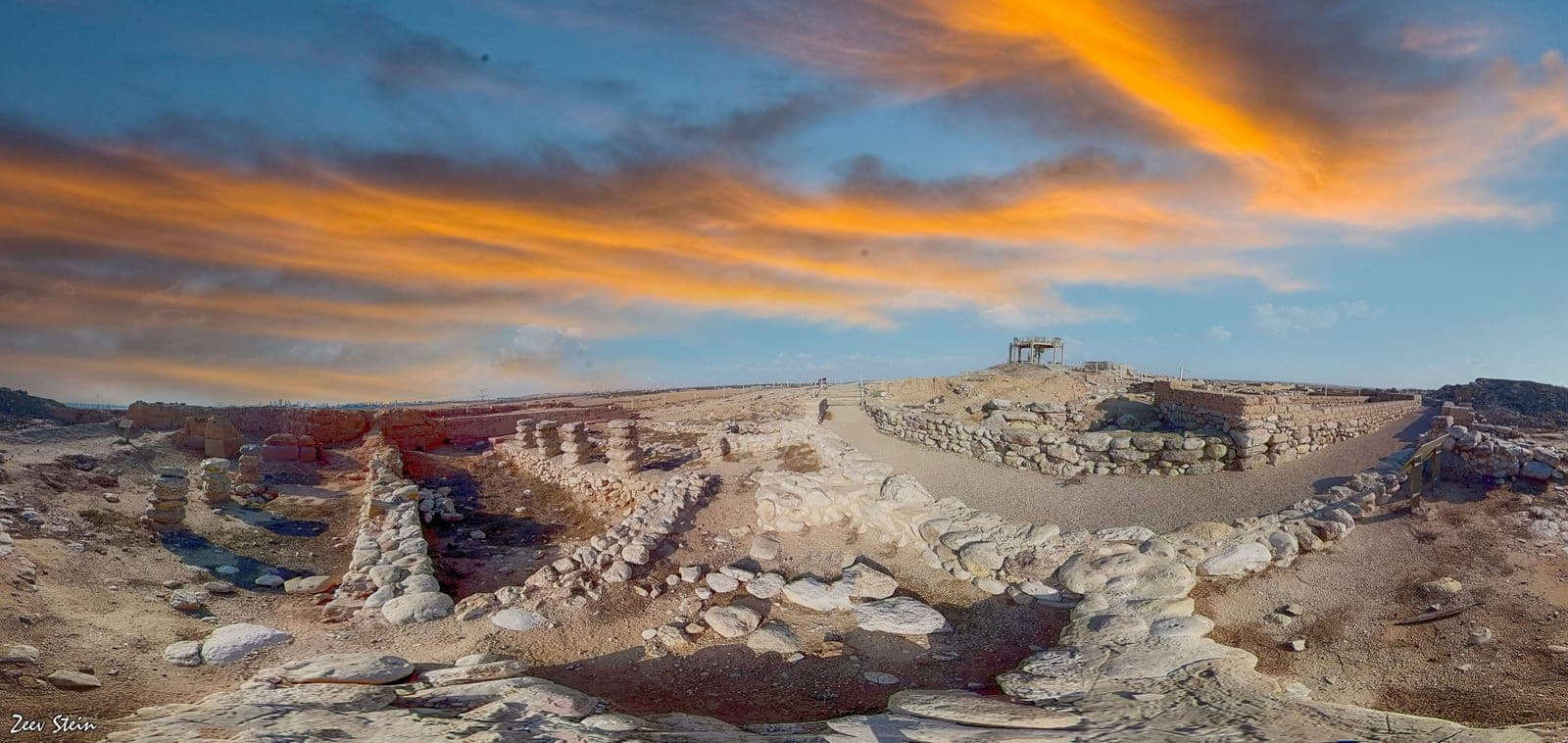
Photo: Zeev Stein / PikiWiki Israel, via Wikimedia Commons. License: CC BY 2.5. Source. Location: Tel Beer Sheva National Park, Israel. Resized for the web.
Explore the places of the Bible
See where biblical events happened, why each place matters, and what archaeology helps us understand.
Beersheba
Where Abraham and Isaac dug wells and worshiped the LORD, at the southern edge of the land.
Get full access with one subscription
Explore the people and places of the Bible. Read summaries of every book, with images and clear explanations covering every chapter. Access all these features and our Bible study tools with one subscription.
See PlansAsk AI about 2 Kings 14:1
Ask a question about this verse and get a clear answer, with Bible references you can read for yourself.
Every Bible book, explained chapter by chapter
Explore summaries of every book of the Bible, with images and easy-to-understand explanations covering every chapter.
Keep studying 2 Kings 14:1
Related Bible verses
Key themes
Related topics
At a Glance — the Book of 2 Kings
- Author
- Author unknown; possibly Jeremiah
- Written
- Around 560 BC
- Genre
- Historical narrative
- Original Audience
- Exiled Israelites in Babylon
Frequently Asked Questions
Quick, clear answers about this verse
What does 2 Kings 14:1 mean?
2 Kings 14:1 describes the beginning of Amaziah's reign as king of Judah, highlighting that he became king during the second year of Joash's reign in Israel. This sets the historical context for his leadership and the political dynamics between the two kingdoms.
What is the significance of Amaziah in 2 Kings 14:1?
Amaziah, as the son of Joash, represents a new leadership for Judah during a pivotal time. His ascension is significant as it reflects the hopes of the people for guidance and stability amid the challenges faced by both Judah and Israel.
What does the phrase 'second year of Joash' refer to in 2 Kings 14:1?
The phrase 'second year of Joash' refers to the specific time frame in which Amaziah began his reign, aligning it with the timeline of King Joash's rule in Israel. This helps to understand the chronological order of events in the biblical narrative.
How does 2 Kings 14:1 relate to leadership themes?
2 Kings 14:1 introduces themes of leadership by showing the transition of power to Amaziah, who is expected to lead Judah. It emphasizes the importance of leadership during times of change and the impact a king can have on his people.
Daily Verse — straight to your inbox
A verse and a 2-sentence plain-English explanation, every morning. Free. Unsubscribe anytime.