Old Testament
2 Kings 17:16
Read the Bible in clear, modern English—easy to understand, faithful to the meaning, and written for everyday readers.
They abandoned every commandment of the LORD their God. They cast two metal calves for themselves, set up an Asherah pole, worshiped the stars in the sky, and served Baal.
Compare translations
And they left all the commandments of the LORD their God, and made them molten images, even two calves, and made a grove, and worshipped all the host of heaven, and served Baal.
What 2 Kings 17:16 means
Plain-English insight for readers
In this passage, the people turned away from the guidance of their God. They chose to create their own idols, specifically two metal calves, which represented false gods. They also erected an Asherah pole, a symbol of fertility worship. Instead of honoring the one true God, they began to worship the stars and other celestial bodies. This shift in focus led them to serve Baal, a prominent deity in their culture. Their actions reflect a deep-seated desire to seek fulfillment outside of their relationship with God. This abandonment of divine commandments illustrates a common human tendency to pursue what seems appealing, even if it leads to spiritual emptiness. Ultimately, their choices resulted in a disconnect from the source of true life and purpose, highlighting the consequences of turning away from God’s ways. The passage serves as a reminder of the importance of staying true to one’s beliefs and the dangers of following the crowd into idolatry and distraction from what truly matters.
How to apply 2 Kings 17:16 to your life
Reflect on what you prioritize in your life. Are there distractions or 'idols' that pull you away from your core values? Consider ways to realign your focus on what truly matters, nurturing your relationship with what you believe in and avoiding empty pursuits that lead to dissatisfaction. Seek balance and purpose in your daily choices, ensuring they reflect your true beliefs and values. Stay grounded in your faith and principles.
Curated for this public verse page. 2 Kings Summary
Explore more of the Bible
Learn the Bible through its people and places
Get to know the people in Scripture through illustrated stories, and explore the places where they lived and traveled.

Illustrated scene from Noah's story: Noah Is Born (Genesis 5:28–32)
Meet the people of the Bible
Follow their lives in order, with illustrated scenes and Bible passages that tell their stories.
 Noah
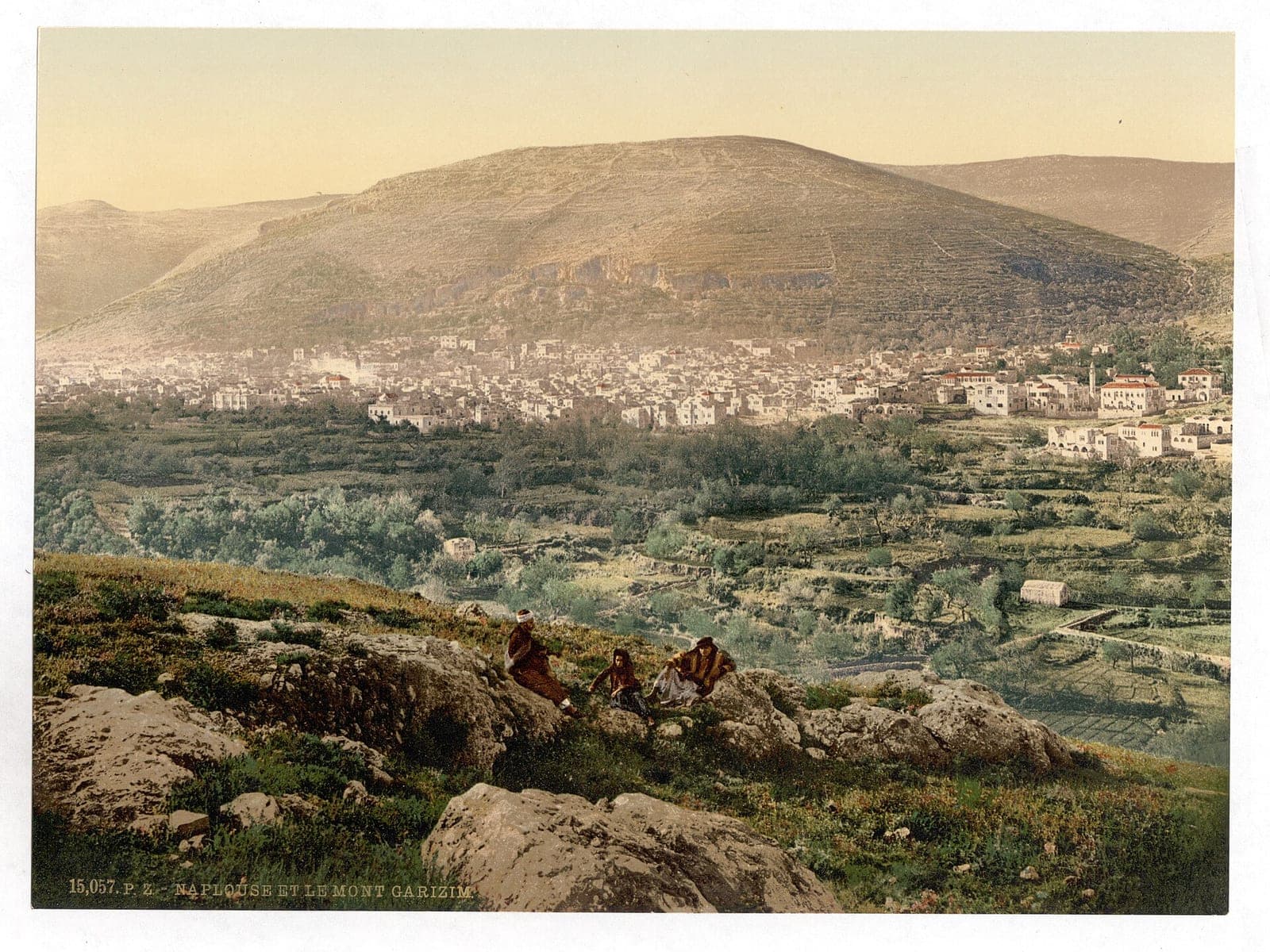
Photo: Photochrom print, Library of Congress Prints and Photographs Division (LCCN 2002725043). License: Public domain in the United States; Library of Congress states no known restrictions on publication. Source. Location: Nablus and Mount Gerizim, West Bank; print preserved by the Library of Congress. Resized for the web.
Explore the places of the Bible
See where biblical events happened, why each place matters, and what archaeology helps us understand.
Shechem
Where God promised the land to Abram, and where Joshua led Israel to renew the covenant.
Get full access with one subscription
Explore the people and places of the Bible. Read summaries of every book, with images and clear explanations covering every chapter. Access all these features and our Bible study tools with one subscription.
See PlansAsk AI about 2 Kings 17:16
Ask a question about this verse and get a clear answer, with Bible references you can read for yourself.
Every Bible book, explained chapter by chapter
Explore summaries of every book of the Bible, with images and easy-to-understand explanations covering every chapter.
Keep studying 2 Kings 17:16
Related Bible verses
Key themes
Related topics
At a Glance — the Book of 2 Kings
- Author
- Author unknown; possibly Jeremiah
- Written
- Around 560 BC
- Genre
- Historical narrative
- Original Audience
- Exiled Israelites in Babylon
Frequently Asked Questions
Quick, clear answers about this verse
What does 2 Kings 17:16 teach about idolatry?
2 Kings 17:16 illustrates the dangers of idolatry by showing how the people abandoned the commandments of the LORD to create their own idols, like the two metal calves and the Asherah pole. This passage highlights that turning away from God to worship false gods leads to spiritual emptiness and disconnection from true purpose. It serves as a warning against prioritizing distractions over a genuine relationship with God.
How can I avoid the pitfalls of idolatry in my life?
To avoid the pitfalls of idolatry, regularly assess what you prioritize in your life. Identify any distractions or 'idols' that may pull you away from your core values and beliefs. Focus on nurturing your relationship with God or your spiritual beliefs, ensuring your daily choices reflect those values. Engage in practices like prayer, meditation, or community involvement that reinforce your faith and keep you grounded.
What are the consequences of abandoning God's commandments?
Abandoning God's commandments, as seen in 2 Kings 17:16, can lead to severe consequences, including spiritual emptiness, disconnection from God, and a life filled with unfulfilling pursuits. The passage serves as a reminder that when people choose to follow their own desires or societal trends instead of divine guidance, they risk losing their sense of purpose and fulfillment. Staying true to one's beliefs is crucial for a meaningful life.
How does 2 Kings 17:16 relate to modern life?
2 Kings 17:16 is relevant to modern life as it addresses the ongoing struggle against idolatry and distractions that can lead individuals away from their core beliefs. In today's context, these 'idols' may include materialism, social media, or unhealthy relationships. The passage encourages self-reflection on what truly matters and the importance of aligning daily choices with one's values and faith to avoid spiritual emptiness.
Daily Verse — straight to your inbox
A verse and a 2-sentence plain-English explanation, every morning. Free. Unsubscribe anytime.