Old Testament
Exodus 20:3
Read the Bible in clear, modern English—easy to understand, faithful to the meaning, and written for everyday readers.
"You must have no other gods besides me.
Compare translations
Thou shalt have no other gods before me.
What Exodus 20:3 means
Plain-English insight for readers
This command emphasizes the importance of loyalty and devotion. It calls for a relationship where God is the primary focus in our lives. Having no other gods means prioritizing our connection with the divine above all else. It challenges us to examine what we truly value and worship. In a world filled with distractions, this command reminds us to keep our hearts aligned with what is truly important. It’s about recognizing that nothing else can fulfill us like a genuine relationship with God. This command invites us to trust in God’s guidance and love, ensuring that our lives reflect that commitment. By placing God first, we open ourselves to a deeper understanding of purpose and fulfillment. This is not just a rule; it’s an invitation to experience life in its fullest form, grounded in faith and trust in God’s goodness. It’s a call to live authentically, with God at the center of our decisions and actions, leading to a more meaningful existence that resonates with our true selves.
How to apply Exodus 20:3 to your life
To apply this command, reflect on what takes priority in your life. Identify distractions that may be pulling you away from your relationship with God. Make intentional choices to focus on spiritual growth, such as prayer, meditation, or community involvement. This will help you keep God at the center of your life. Remember, it’s about building a genuine connection with the divine that shapes your daily actions and decisions.
Curated for this public verse page. Exodus Summary · Exodus 20:3 Meaning
Learn the Bible through its people and places
Get to know the people in Scripture through illustrated stories, and explore the places where they lived and traveled.

Illustrated scene from Moses's story: The Ten Commandments (Exodus 20:1–21)
Meet the people of the Bible
Follow their lives in order, with illustrated scenes and Bible passages that tell their stories.
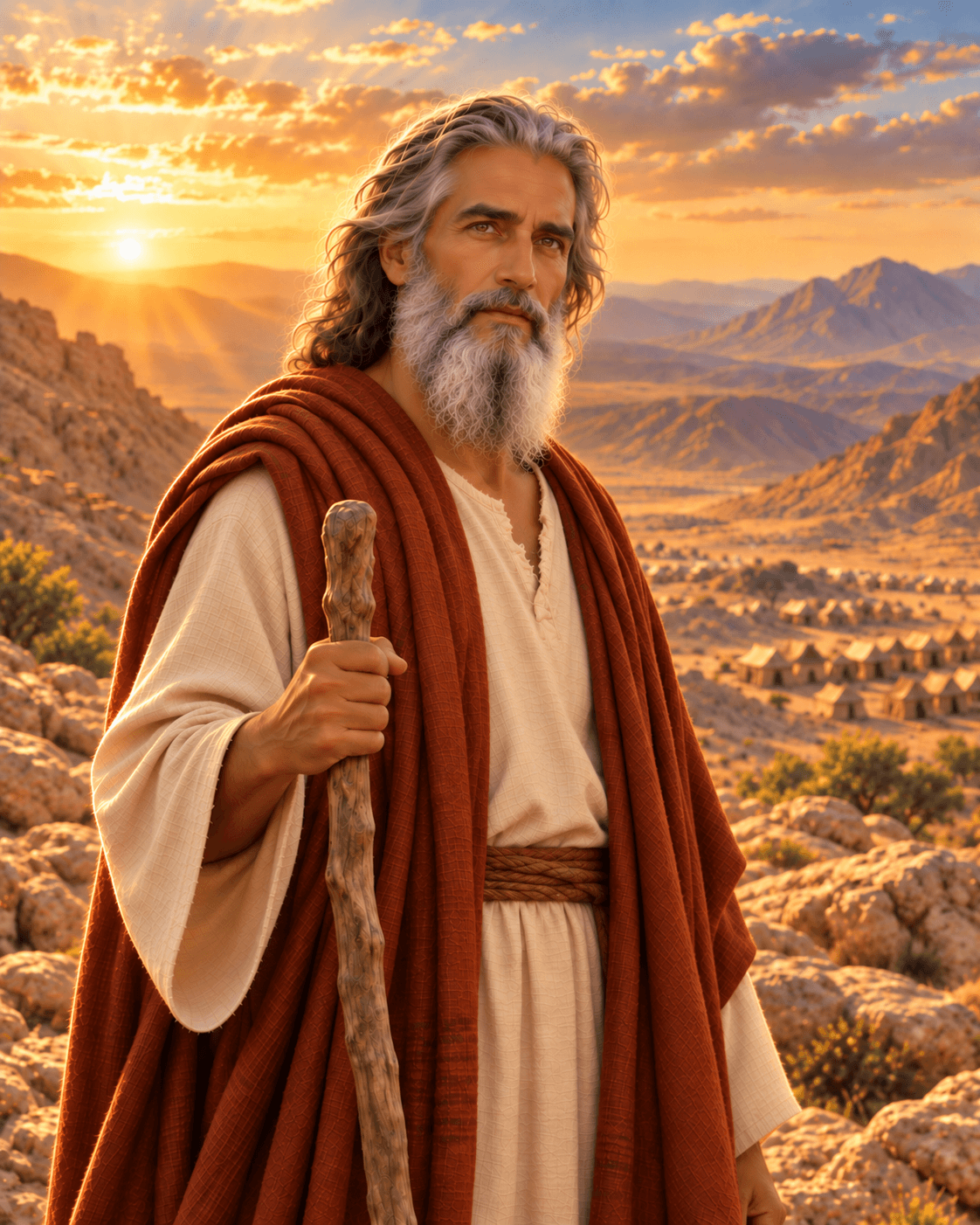 Moses
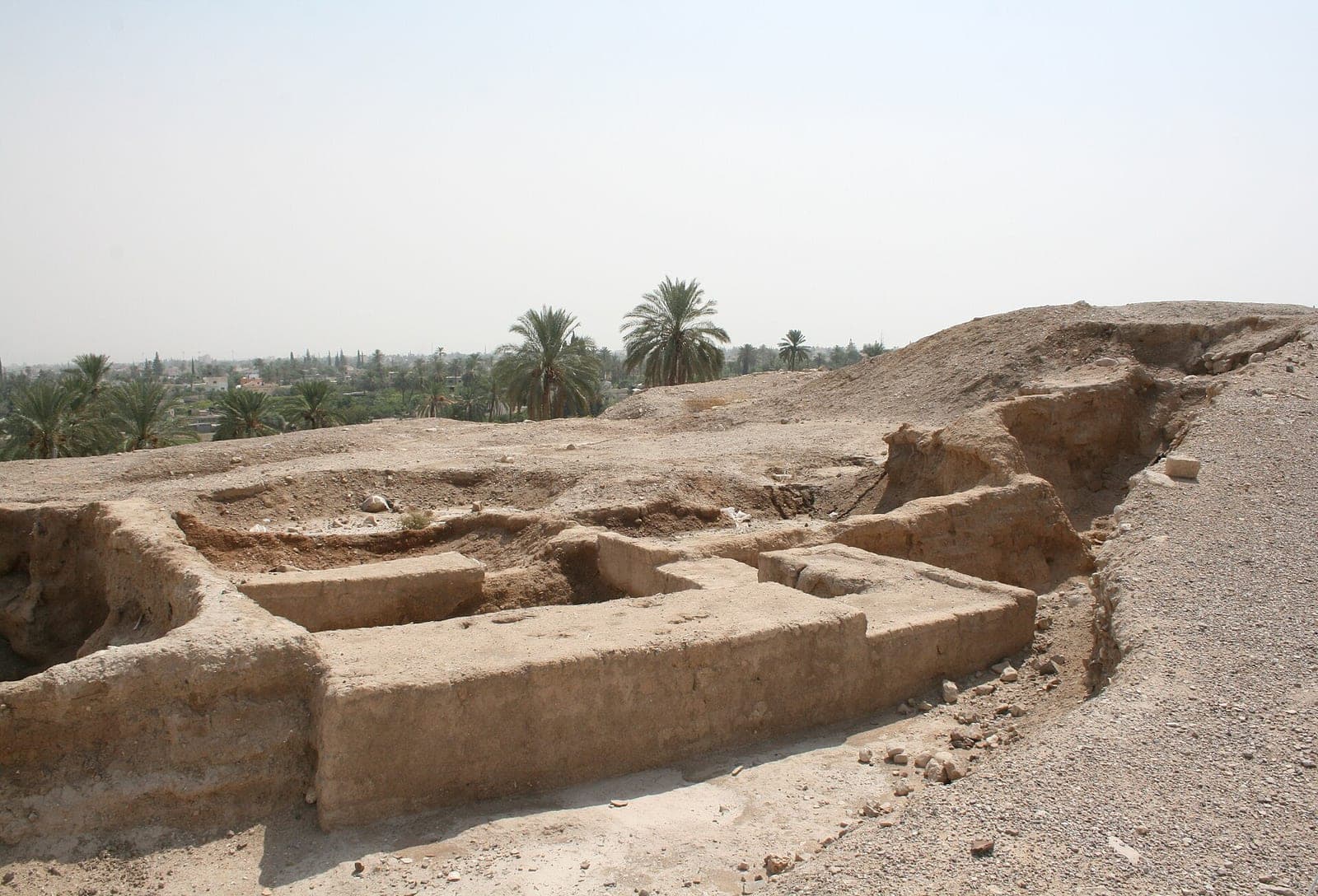
Photo: Diego Delso, via Wikimedia Commons. License: CC BY-SA 3.0. Source. Location: Tell es-Sultan, Jericho, West Bank. Resized for the web.
Explore the places of the Bible
See where biblical events happened, why each place matters, and what archaeology helps us understand.
Jericho
The city of palm trees, whose walls fell in Joshua's day.
Get full access with one subscription
Explore the people and places of the Bible. Read summaries of every book, with images and clear explanations covering every chapter. Access all these features and our Bible study tools with one subscription.
See PlansAsk AI about Exodus 20:3
Ask a question about this verse and get a clear answer, with Bible references you can read for yourself.
Fuller verse explanations
Explore what a verse means, what was happening around it, and how it connects to other Bible passages.
Plain Meaning
God commands Israel to have no other gods ahead of Him, above Him, or in His place. This is the first of the Ten Commandments. God is not simply asking to be included — He is saying He alone holds the top position. No other god is to be given any place that competes with Him.
Read It in Context
In verse 2, God identifies Himself as the one who freed Israel from slavery in Egypt. That act is the ground for what He commands next. He is not a stranger giving orders — He is the God who already acted on their behalf.
The full Clear view adds what to notice, common misreadings, and the passage that best explains this one — for Exodus 20:3 and any verse in the Bible.
Every Bible book, explained chapter by chapter
Explore summaries of every book of the Bible, with images and easy-to-understand explanations covering every chapter.
Keep studying Exodus 20:3
Related Bible verses
At a Glance — the Book of Exodus
- Author
- Traditionally attributed to Moses
- Written
- Around 1400 BC
- Genre
- Law (Pentateuch)
- Original Audience
- The Israelites in the wilderness
Frequently Asked Questions
Quick, clear answers about this verse
What does Exodus 20:3 mean?
Exodus 20:3 means that God requires exclusive loyalty from His followers. It emphasizes that no other gods or priorities should take precedence over our relationship with Him.
What is the meaning of 'no other gods' in Exodus 20:3?
The phrase 'no other gods' in Exodus 20:3 signifies that God should be the ultimate focus of our devotion and worship. It challenges us to evaluate what we prioritize in our lives.
How can I apply Exodus 20:3 in my life?
To apply Exodus 20:3, assess what takes priority in your life and make conscious efforts to focus on your relationship with God. Engage in practices like prayer and community service to strengthen this connection.
Why is loyalty to God important according to Exodus 20:3?
Loyalty to God is important according to Exodus 20:3 because it establishes a foundation for a meaningful and fulfilling life. It encourages us to align our values and actions with our faith.
Daily Verse — straight to your inbox
A verse and a 2-sentence plain-English explanation, every morning. Free. Unsubscribe anytime.