Old Testament
2 Kings 17:6
Read the Bible in clear, modern English—easy to understand, faithful to the meaning, and written for everyday readers.
In the 9th year of Hoshea's reign, the king of Assyria captured Samaria and deported the people of Israel to Assyria. He settled them in Halah, along the Habor River in the region of Gozan, and in the cities of the Medes.
Compare translations
In the ninth year of Hoshea the king of Assyria took Samaria, and carried Israel away into Assyria, and placed them in Halah and in Habor by the river of Gozan, and in the cities of the Medes.
What 2 Kings 17:6 means
Plain-English insight for readers
In the ninth year of King Hoshea's rule, a significant event unfolded. The Assyrian king launched a military campaign and successfully captured Samaria, the capital of Israel. This marked a turning point for the Israelites, as they were forcibly taken from their homeland. The Assyrians deported them to various locations, including Halah and the Habor River in Gozan, as well as the cities of the Medes. This exile was not just a loss of land but also a deep cultural and spiritual upheaval for the people. They were separated from their homes, traditions, and the worship practices that defined their identity. The consequences of this event would echo through generations, illustrating the impact of disobedience and the loss of divine protection. It serves as a reminder of the importance of faithfulness and the potential consequences of turning away from one's values and beliefs. The Israelites faced a new reality, one that challenged their sense of belonging and purpose.
How to apply 2 Kings 17:6 to your life
Reflect on the importance of staying true to your values and beliefs. Consider how choices can lead to significant changes in your life. Just as the Israelites faced exile, we too can experience loss when we stray from what matters most to us. Stay grounded in your principles to avoid similar pitfalls. Embrace your identity and community to foster resilience against challenges in life.
Curated for this public verse page. 2 Kings Summary
Explore more of the Bible
Learn the Bible through its people and places
Get to know the people in Scripture through illustrated stories, and explore the places where they lived and traveled.

Illustrated scene from Noah's story: Noah Is Born (Genesis 5:28–32)
Meet the people of the Bible
Follow their lives in order, with illustrated scenes and Bible passages that tell their stories.
 Noah
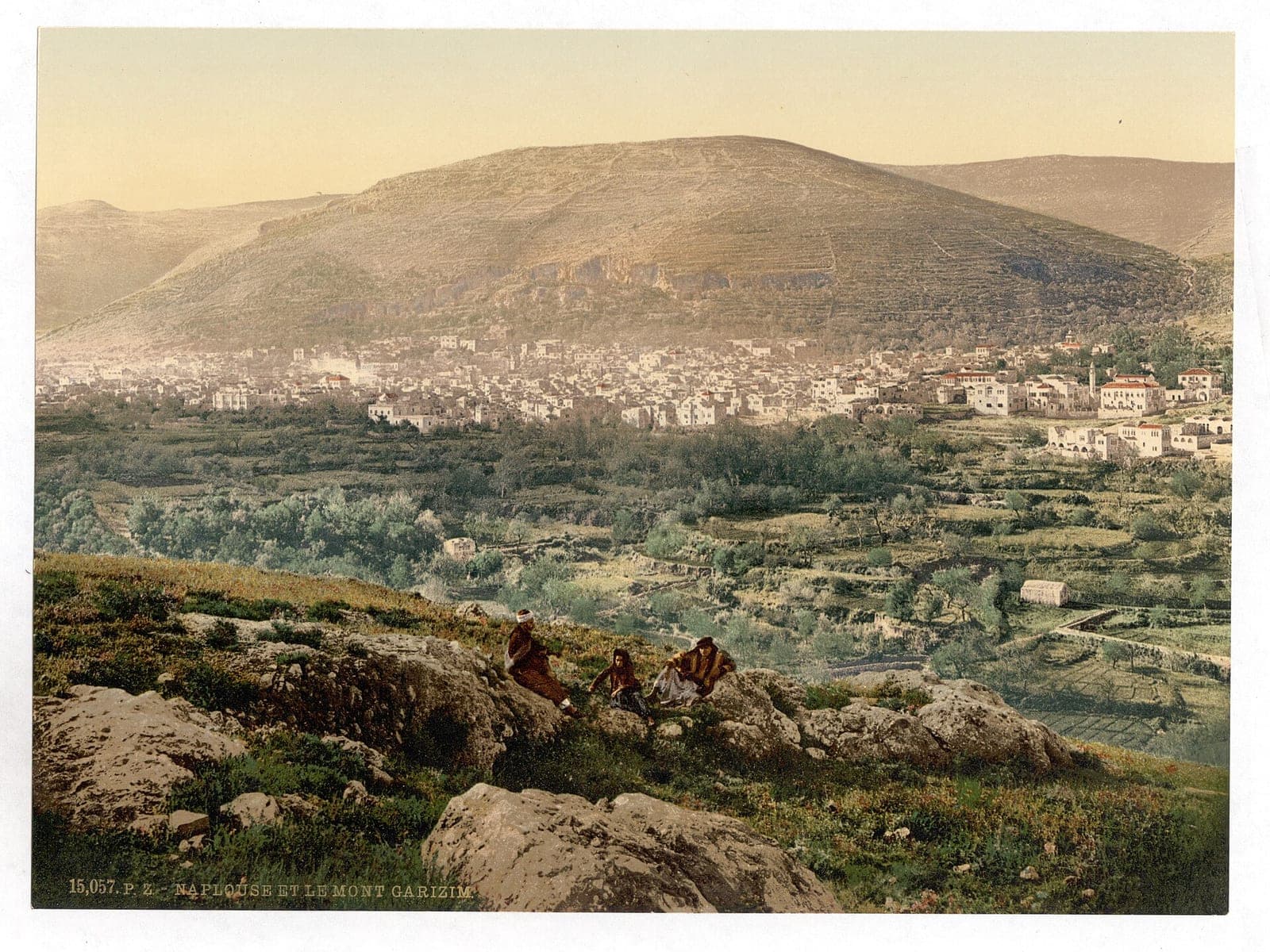
Photo: Photochrom print, Library of Congress Prints and Photographs Division (LCCN 2002725043). License: Public domain in the United States; Library of Congress states no known restrictions on publication. Source. Location: Nablus and Mount Gerizim, West Bank; print preserved by the Library of Congress. Resized for the web.
Explore the places of the Bible
See where biblical events happened, why each place matters, and what archaeology helps us understand.
Shechem
Where God promised the land to Abram, and where Joshua led Israel to renew the covenant.
Get full access with one subscription
Explore the people and places of the Bible. Read summaries of every book, with images and clear explanations covering every chapter. Access all these features and our Bible study tools with one subscription.
See PlansAsk AI about 2 Kings 17:6
Ask a question about this verse and get a clear answer, with Bible references you can read for yourself.
Every Bible book, explained chapter by chapter
Explore summaries of every book of the Bible, with images and easy-to-understand explanations covering every chapter.
Keep studying 2 Kings 17:6
Related Bible verses
Key themes
Related topics
At a Glance — the Book of 2 Kings
- Author
- Author unknown; possibly Jeremiah
- Written
- Around 560 BC
- Genre
- Historical narrative
- Original Audience
- Exiled Israelites in Babylon
Frequently Asked Questions
Quick, clear answers about this verse
What does 2 Kings 17:6 mean?
2 Kings 17:6 describes the fall of Samaria, the capital of Israel, to the Assyrian king during the reign of Hoshea. This event marks the beginning of the Israelites' exile, where they were forcibly removed from their homeland and relocated to various regions, leading to significant cultural and spiritual consequences.
What is the significance of the Assyrian exile in 2 Kings 17:6?
The Assyrian exile in 2 Kings 17:6 signifies a major turning point for the Israelites, representing the consequences of their disobedience to God. It highlights the loss of their homeland and the challenges they faced in maintaining their identity and faith in a foreign land.
What locations are mentioned in 2 Kings 17:6?
In 2 Kings 17:6, the locations mentioned include Halah, the Habor River in Gozan, and the cities of the Medes. These places became new settlements for the deported Israelites after the fall of Samaria.
What led to the events of 2 Kings 17:6?
The events of 2 Kings 17:6 were preceded by a series of disobedient actions by the Israelites, which led to God's judgment. Their failure to follow God's commandments resulted in the Assyrian conquest and subsequent exile.
Daily Verse — straight to your inbox
A verse and a 2-sentence plain-English explanation, every morning. Free. Unsubscribe anytime.