Old Testament
2 Kings 20:10
Read the Bible in clear, modern English—easy to understand, faithful to the meaning, and written for everyday readers.
Hezekiah answered, "It's easy for the shadow to move forward ten steps. No, make the shadow go backward ten steps instead."
Compare translations
And Hezekiah answered, It is a light thing for the shadow to go down ten degrees: nay, but let the shadow return backward ten degrees.
What 2 Kings 20:10 means
Plain-English insight for readers
Hezekiah, the king of Judah, was faced with a serious illness and received a message from the prophet Isaiah that he would recover. As a sign of this promise, God offered to move the shadow on the sundial. Hezekiah found it easy for the shadow to move forward, but he wanted a greater sign. He asked for the shadow to move backward instead. This request showed his faith and desire for a miraculous sign. He believed that if God could heal him, then moving the shadow backward would be a fitting demonstration of God's power. Hezekiah's request was bold, reflecting his deep trust in God's ability to intervene in the natural order. This moment highlights the importance of faith and the extraordinary ways God can affirm His promises to us, even in our darkest times. Hezekiah's story encourages us to seek signs of hope and to trust in God's capabilities beyond our understanding, reminding us that nothing is impossible for Him when we believe wholeheartedly in His promises and power.
How to apply 2 Kings 20:10 to your life
When faced with challenges, like Hezekiah, we can boldly ask for signs of hope. Trusting in God's power can help us overcome our fears and uncertainties. Remember that God is capable of extraordinary things, and our faith can lead to miraculous outcomes. Don't hesitate to seek His guidance in difficult times, believing in His promises wholeheartedly. We can find strength in our faith and the assurance that God is always with us.
Curated for this public verse page. 2 Kings Summary
Learn the Bible through its people and places
Get to know the people in Scripture through illustrated stories, and explore the places where they lived and traveled.

Illustrated scene from Isaiah's story: Hezekiah's Illness (2 Kings 20:1–11)
Meet the people of the Bible
Follow their lives in order, with illustrated scenes and Bible passages that tell their stories.
 Isaiah
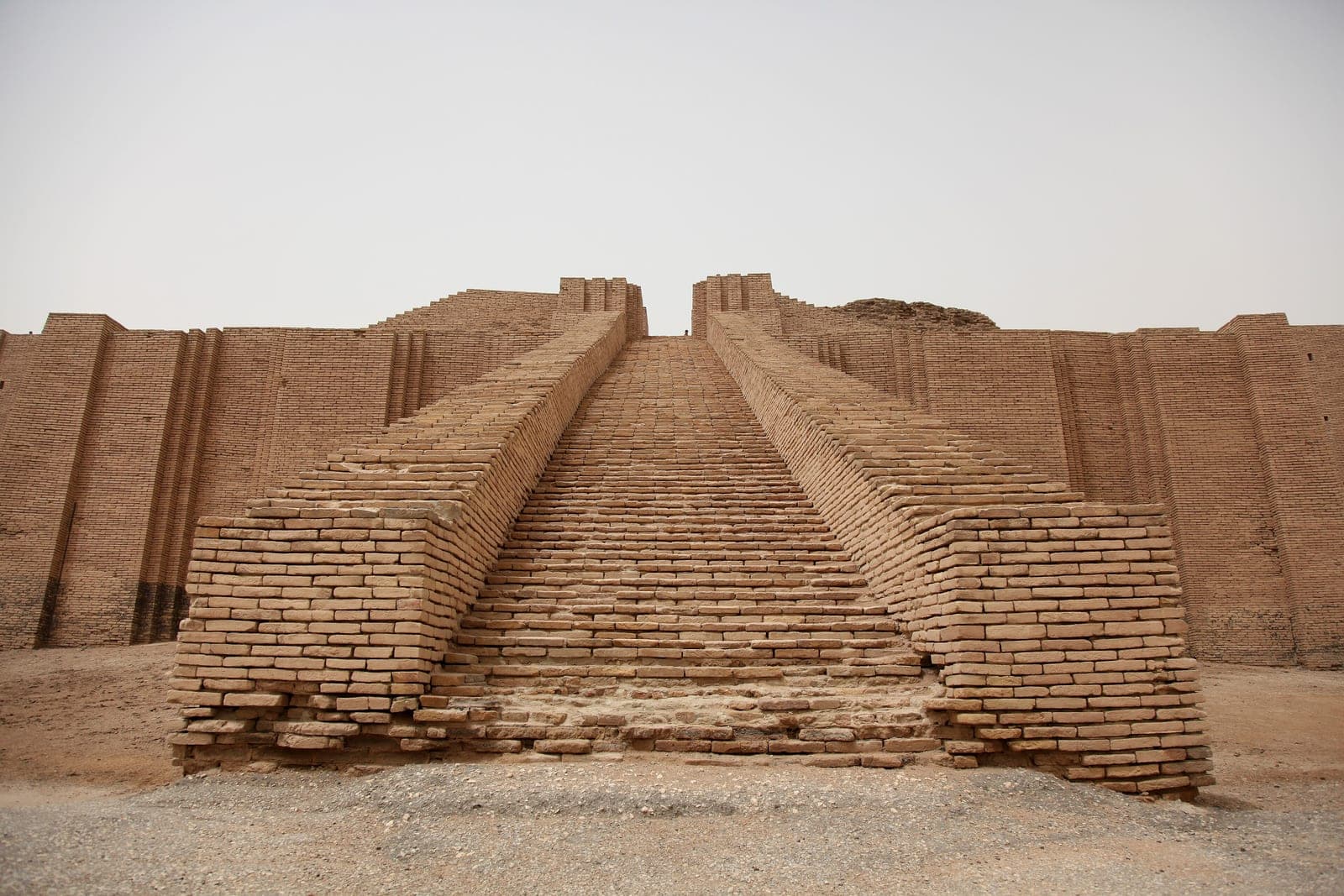
Photo: U.S. Army photo by Spc. Samantha R. Ciaramitaro, via DVIDS and Wikimedia Commons. License: Public domain in the United States — U.S. federal-government work. Source. Location: Great Ziggurat, Ur Archaeological City (Tell el-Mukayyar), Dhi Qar Governorate, Iraq. Resized for the web.
Explore the places of the Bible
See where biblical events happened, why each place matters, and what archaeology helps us understand.
Ur
The city Abram's family left to travel toward Canaan.
Get full access with one subscription
Explore the people and places of the Bible. Read summaries of every book, with images and clear explanations covering every chapter. Access all these features and our Bible study tools with one subscription.
See PlansAsk AI about 2 Kings 20:10
Ask a question about this verse and get a clear answer, with Bible references you can read for yourself.
Every Bible book, explained chapter by chapter
Explore summaries of every book of the Bible, with images and easy-to-understand explanations covering every chapter.
Keep studying 2 Kings 20:10
Related Bible verses
Related topics
At a Glance — the Book of 2 Kings
- Author
- Author unknown; possibly Jeremiah
- Written
- Around 560 BC
- Genre
- Historical narrative
- Original Audience
- Exiled Israelites in Babylon
Frequently Asked Questions
Quick, clear answers about this verse
What does 2 Kings 20:10 mean?
In 2 Kings 20:10, Hezekiah expresses his desire for a miraculous sign from God by asking for the shadow on the sundial to move backward instead of forward. This request demonstrates his faith in God's power to perform extraordinary acts.
What is the significance of the shadow moving backward in 2 Kings 20:10?
The backward movement of the shadow symbolizes a miraculous sign of God's intervention and power. Hezekiah's bold request reflects his deep trust in God's ability to alter the natural order as a confirmation of His promise.
How does Hezekiah's request in 2 Kings 20:10 show his faith?
Hezekiah's request for the shadow to move backward instead of forward illustrates his strong faith in God's capabilities. He believed that if God could heal him, then altering the natural course of time would be a fitting sign of that power.
What themes are present in 2 Kings 20:10?
The themes in 2 Kings 20:10 include faith, miracles, trust in God's power, and seeking signs of hope. Hezekiah's story encourages believers to trust in God's promises and His ability to perform the extraordinary.
Daily Verse — straight to your inbox
A verse and a 2-sentence plain-English explanation, every morning. Free. Unsubscribe anytime.