Old Testament
2 Samuel 16:12
Read the Bible in clear, modern English—easy to understand, faithful to the meaning, and written for everyday readers.
Perhaps the LORD will look upon my affliction and repay me with good for the cursing I receive today.
Compare translations
It may be that the LORD will look on mine affliction, and that the LORD will requite me good for his cursing this day.
What 2 Samuel 16:12 means
Plain-English insight for readers
In this verse, David expresses hope that God will notice his struggles and respond positively to the wrongs he is facing. Despite being insulted and cursed by others, he remains confident that God sees his pain. David believes that God can turn his situation around, bringing good out of the negativity he endures. This reflects a deep trust in God's justice and mercy. David's faith is not just about expecting relief but also about believing in a greater purpose behind his suffering. He understands that even in difficult times, there is a possibility for redemption and restoration. This perspective encourages us to remain hopeful, even when we feel wronged or mistreated. It reminds us that our struggles can lead to unexpected blessings if we keep our faith alive. David's words inspire us to look beyond our immediate circumstances and trust in a higher plan that can bring good from our trials and tribulations. His attitude is a powerful reminder of resilience and faith in the face of adversity.
How to apply 2 Samuel 16:12 to your life
When facing criticism or hardship, remember that your struggles can lead to growth and positive change. Trust that your situation can improve, and keep your heart open to the good that may come from it. Stay hopeful and resilient, knowing that you are not alone in your challenges. Your faith can guide you through tough times and lead to unexpected blessings. Embrace the journey with confidence and patience, believing in a brighter future.
Curated for this public verse page. 2 Samuel Summary
Learn the Bible through its people and places
Get to know the people in Scripture through illustrated stories, and explore the places where they lived and traveled.

Illustrated scene from David's story: Shimei Curses David (2 Samuel 16:5–14)
Meet the people of the Bible
Follow their lives in order, with illustrated scenes and Bible passages that tell their stories.
 David
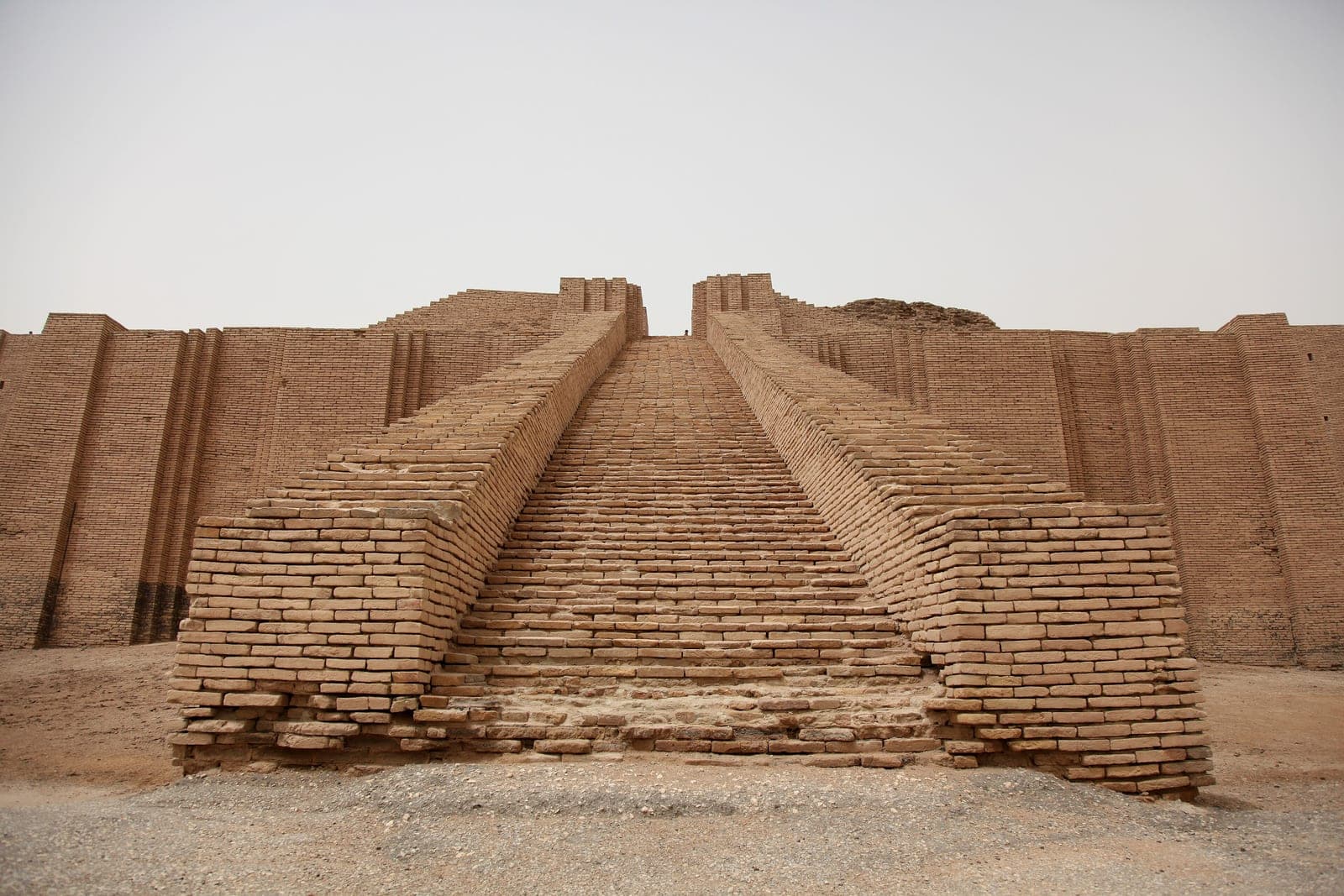
Photo: U.S. Army photo by Spc. Samantha R. Ciaramitaro, via DVIDS and Wikimedia Commons. License: Public domain in the United States — U.S. federal-government work. Source. Location: Great Ziggurat, Ur Archaeological City (Tell el-Mukayyar), Dhi Qar Governorate, Iraq. Resized for the web.
Explore the places of the Bible
See where biblical events happened, why each place matters, and what archaeology helps us understand.
Ur
The city Abram's family left to travel toward Canaan.
Get full access with one subscription
Explore the people and places of the Bible. Read summaries of every book, with images and clear explanations covering every chapter. Access all these features and our Bible study tools with one subscription.
See PlansAsk AI about 2 Samuel 16:12
Ask a question about this verse and get a clear answer, with Bible references you can read for yourself.
Every Bible book, explained chapter by chapter
Explore summaries of every book of the Bible, with images and easy-to-understand explanations covering every chapter.
Keep studying 2 Samuel 16:12
Related Bible verses
Related topics
At a Glance — the Book of 2 Samuel
- Author
- Traditionally attributed to Samuel, Nathan, and Gad
- Written
- Around 930 BC
- Genre
- Historical narrative
- Original Audience
- The Israelites of the early monarchy
Frequently Asked Questions
Quick, clear answers about this verse
What does 2 Samuel 16:12 mean?
In 2 Samuel 16:12, David expresses hope that God will notice his suffering and respond with kindness despite the curses he faces. He believes that God can transform his negative experiences into something good.
What is the meaning of 'the LORD will requite me good' in 2 Samuel 16:12?
The phrase 'the LORD will requite me good' means that David trusts God to reward him positively for the wrongs he is enduring. It reflects his faith that God will bring about justice and restoration in his life.
How can I apply 2 Samuel 16:12 to my life?
You can apply 2 Samuel 16:12 by remaining hopeful during difficult times, trusting that your struggles may lead to positive outcomes. Keep your faith strong and be open to the good that can arise from your challenges.
What themes are present in 2 Samuel 16:12?
The themes present in 2 Samuel 16:12 include faith, hope, justice, resilience, and redemption. David's words encourage us to trust in God's plan and the possibility of good emerging from our trials.
Daily Verse — straight to your inbox
A verse and a 2-sentence plain-English explanation, every morning. Free. Unsubscribe anytime.