Old Testament
2 Samuel 19:20
Read the Bible in clear, modern English—easy to understand, faithful to the meaning, and written for everyday readers.
I know that I have sinned. That's why I am the first from the house of Joseph to come down today to meet my lord the king.
Compare translations
For thy servant doth know that I have sinned: therefore, behold, I am come the first this day of all the house of Joseph to go down to meet my lord the king.
What 2 Samuel 19:20 means
Plain-English insight for readers
In this moment, a man from the house of Joseph acknowledges his mistakes. He openly admits his wrongdoing, showing humility and a desire to make amends. By being the first to approach the king, he demonstrates courage and a willingness to reconcile. This act of coming forward is significant; it reflects a deep understanding of the consequences of his actions. He recognizes that his past behavior has affected his relationship with the king and his people. This moment is not just about seeking forgiveness; it’s about taking responsibility and showing that he is ready to move forward. His honesty sets a powerful example for others, illustrating that admitting our faults can lead to healing and restoration. It’s a reminder that we all have the capacity to change and seek forgiveness, no matter how far we may have strayed from the right path. This encounter emphasizes the importance of humility and the strength found in acknowledging our mistakes and seeking to make things right.
How to apply 2 Samuel 19:20 to your life
When we recognize our mistakes, it’s important to take action. Like the man in this story, we should be willing to admit our faults and seek forgiveness. This can strengthen our relationships and help us grow. Remember, acknowledging our errors is the first step toward healing and improvement in our lives. Embrace the opportunity to make things right with others and yourself!
Curated for this public verse page. 2 Samuel Summary
Explore more of the Bible
Learn the Bible through its people and places
Get to know the people in Scripture through illustrated stories, and explore the places where they lived and traveled.

Illustrated scene from Moses's story: Israel Enslaved in Egypt (Exodus 1:8–22)
Meet the people of the Bible
Follow their lives in order, with illustrated scenes and Bible passages that tell their stories.
 Moses
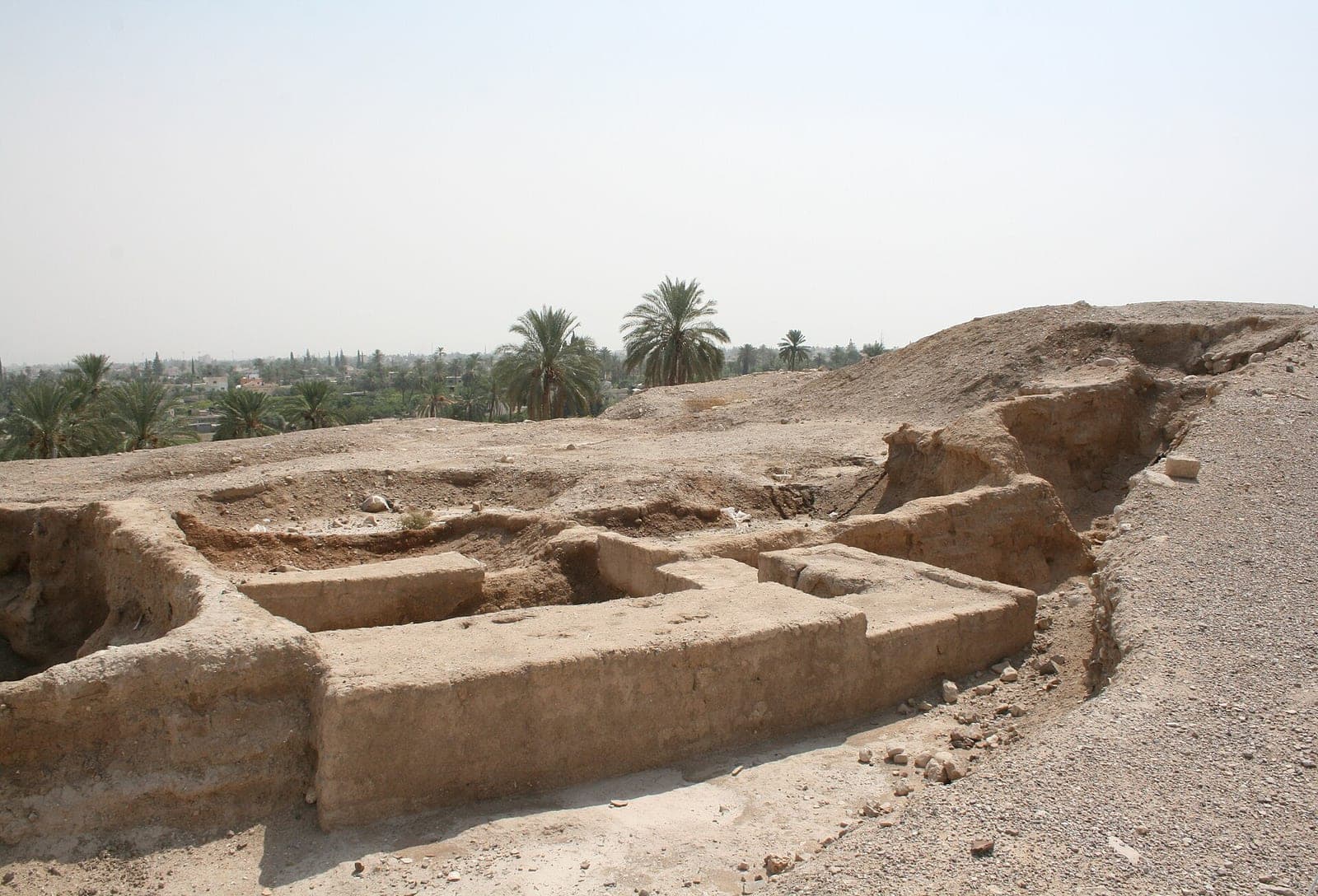
Photo: Diego Delso, via Wikimedia Commons. License: CC BY-SA 3.0. Source. Location: Tell es-Sultan, Jericho, West Bank. Resized for the web.
Explore the places of the Bible
See where biblical events happened, why each place matters, and what archaeology helps us understand.
Jericho
The city of palm trees, whose walls fell in Joshua's day.
Get full access with one subscription
Explore the people and places of the Bible. Read summaries of every book, with images and clear explanations covering every chapter. Access all these features and our Bible study tools with one subscription.
See PlansAsk AI about 2 Samuel 19:20
Ask a question about this verse and get a clear answer, with Bible references you can read for yourself.
Every Bible book, explained chapter by chapter
Explore summaries of every book of the Bible, with images and easy-to-understand explanations covering every chapter.
Keep studying 2 Samuel 19:20
Related Bible verses
Key themes
Related topics
At a Glance — the Book of 2 Samuel
- Author
- Traditionally attributed to Samuel, Nathan, and Gad
- Written
- Around 930 BC
- Genre
- Historical narrative
- Original Audience
- The Israelites of the early monarchy
Frequently Asked Questions
Quick, clear answers about this verse
What does 2 Samuel 19:20 mean?
2 Samuel 19:20 shows a man from the house of Joseph admitting his sins to King David. His acknowledgment reflects humility and a desire to reconcile, highlighting the importance of taking responsibility for one's actions.
What is the significance of humility in 2 Samuel 19:20?
Humility in 2 Samuel 19:20 is significant because it demonstrates the man's willingness to admit his mistakes. This act of humility is crucial for rebuilding relationships and seeking forgiveness.
What does the phrase 'I have sinned' in 2 Samuel 19:20 indicate?
The phrase 'I have sinned' in 2 Samuel 19:20 indicates a recognition of wrongdoing. It shows the man's understanding of the consequences of his actions and his readiness to make amends.
How does 2 Samuel 19:20 relate to forgiveness?
2 Samuel 19:20 relates to forgiveness by illustrating the process of admitting faults as a step toward reconciliation. The man's confession is a key part of seeking forgiveness from the king.
Daily Verse — straight to your inbox
A verse and a 2-sentence plain-English explanation, every morning. Free. Unsubscribe anytime.