New Testament
2 Timothy 1:3
Read the Bible in clear, modern English—easy to understand, faithful to the meaning, and written for everyday readers.
I thank God — the God I serve with a clear conscience, just as my ancestors did — because I never stop remembering you in my prayers, night and day.
Compare translations
I thank God, whom I serve from my forefathers with pure conscience, that without ceasing I have remembrance of thee in my prayers night and day;
What 2 Timothy 1:3 means
Plain-English insight for readers
In this verse, the author expresses gratitude to God, emphasizing a deep, personal connection. He serves God with a clear conscience, reflecting a commitment that has been passed down through generations. This sense of duty is not just a routine; it’s a heartfelt devotion. The author highlights the importance of remembering others in prayer, showing that he consistently thinks of someone special. This dedication to prayer is not limited to specific times; it happens day and night, illustrating a continuous bond. The message encourages us to maintain a sincere relationship with God and to keep others in our thoughts and prayers. It’s a reminder that our spiritual practices can be deeply personal and impactful, connecting us to our past and to those we care about. This verse invites us to reflect on our own prayer lives and the importance of gratitude and remembrance in our daily routines. It’s about nurturing relationships, both with God and with others, through consistent prayer and sincere intentions.
How to apply 2 Timothy 1:3 to your life
Consider who you can pray for regularly, just as the author did. Make it a habit to express gratitude to God for those people. This practice can strengthen your relationships and deepen your spiritual life, creating a sense of community and support in your journey. Remember, your prayers can make a difference in someone else's life!
Curated for this public verse page. 2 Timothy Summary
Explore more of the Bible
Learn the Bible through its people and places
Get to know the people in Scripture through illustrated stories, and explore the places where they lived and traveled.

Illustrated scene from Peter's story: Andrew Brings Simon to Jesus (John 1:40–42)
Meet the people of the Bible
Follow their lives in order, with illustrated scenes and Bible passages that tell their stories.
 Peter
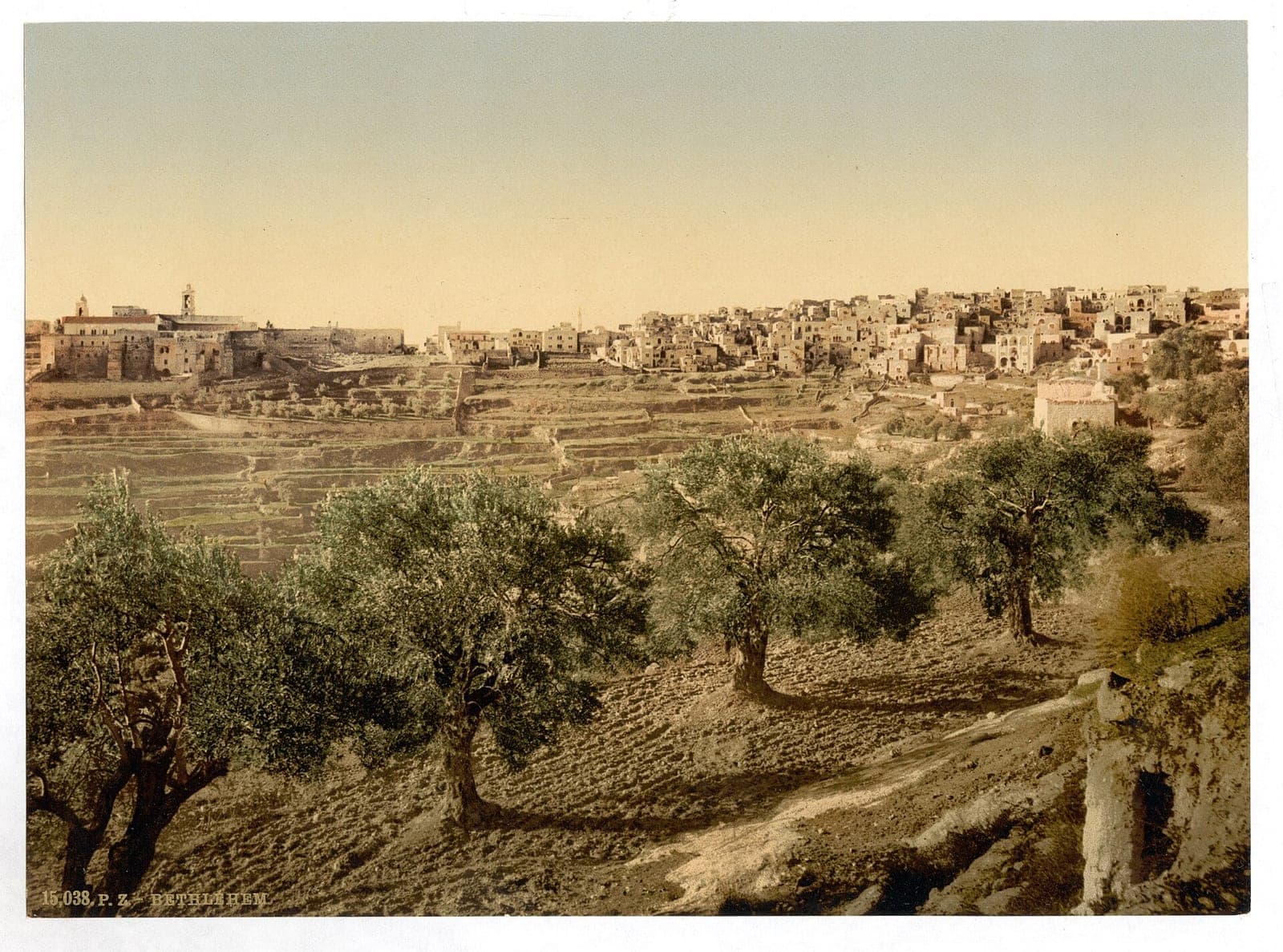
Photo: Photochrom print, Library of Congress Prints and Photographs Division (LCCN 2002724966). License: Public domain in the United States; Library of Congress states no known restrictions on publication. Source. Location: Bethlehem, West Bank; print preserved by the Library of Congress. Resized for the web.
Explore the places of the Bible
See where biblical events happened, why each place matters, and what archaeology helps us understand.
Bethlehem
David's hometown, and the town where Jesus was born.
Get full access with one subscription
Explore the people and places of the Bible. Read summaries of every book, with images and clear explanations covering every chapter. Access all these features and our Bible study tools with one subscription.
See PlansAsk AI about 2 Timothy 1:3
Ask a question about this verse and get a clear answer, with Bible references you can read for yourself.
Every Bible book, explained chapter by chapter
Explore summaries of every book of the Bible, with images and easy-to-understand explanations covering every chapter.
Keep studying 2 Timothy 1:3
Related Bible verses
Related topics
At a Glance — the Book of 2 Timothy
- Author
- Paul the apostle
- Written
- Around AD 67
- Genre
- Letter (pastoral epistle)
- Original Audience
- Timothy
Frequently Asked Questions
Quick, clear answers about this verse
What does 2 Timothy 1:3 mean?
In 2 Timothy 1:3, the author expresses gratitude to God for the ability to serve Him with a clear conscience, reflecting a commitment to faith that has been passed down through generations. The verse emphasizes the importance of remembering others in prayer consistently, highlighting a deep personal connection with both God and those we care about.
What is the significance of a clear conscience in 2 Timothy 1:3?
A clear conscience in 2 Timothy 1:3 signifies sincerity and integrity in serving God. It indicates that the author is committed to his faith and actions, ensuring that his service is genuine and aligned with his beliefs.
How can I apply 2 Timothy 1:3 to my life?
You can apply 2 Timothy 1:3 by regularly praying for others and expressing gratitude to God for them. This practice can strengthen your relationships and enhance your spiritual life, fostering a sense of community and support.
What themes are present in 2 Timothy 1:3?
The themes present in 2 Timothy 1:3 include gratitude, prayer, connection, ancestry, and commitment. These themes highlight the importance of maintaining sincere relationships with God and others through consistent prayer and remembrance.
Daily Verse — straight to your inbox
A verse and a 2-sentence plain-English explanation, every morning. Free. Unsubscribe anytime.