New Testament
Acts 12:20
Read the Bible in clear, modern English—easy to understand, faithful to the meaning, and written for everyday readers.
Now Herod was furious with the people of Tyre and Sidon. They came to him with one accord, and after winning over Blastus, the king's chamberlain, they asked for peace, because their country depended on the king's country for food.
Compare translations
And Herod was highly displeased with them of Tyre and Sidon: but they came with one accord to him, and, having made Blastus the king’s chamberlain their friend, desired peace; because their country was nourished by the king’s country.
What Acts 12:20 means
Plain-English insight for readers
Herod, the king, was very angry with the people from Tyre and Sidon. These people knew they needed to mend things with him because their survival depended on trade with his kingdom. They approached him together, showing unity in their request for peace. To gain favor, they befriended Blastus, who was close to the king. This strategic move was essential for them, as they relied on the king's land for food. Their desperation drove them to seek reconciliation, highlighting how political relationships can impact everyday lives. This situation illustrates the lengths people will go to ensure their basic needs are met, even if it means swallowing their pride. It’s a reminder that sometimes, we must work together to overcome challenges and seek harmony with those in power, especially when our well-being is at stake. The dynamics of power and dependency are evident here, showing how interconnected our lives can be with those in authority. Their plea for peace was not just political; it was a matter of survival.
How to apply Acts 12:20 to your life
In our lives, we may face situations where we need to seek peace with others, especially when our well-being is at stake. Building relationships and finding common ground can help us navigate conflicts. Remember, working together can lead to better outcomes for everyone involved, just like the people of Tyre and Sidon did with Herod. Stay open to collaboration and understanding in your interactions with others, especially in challenging times.
Curated for this public verse page. Acts Summary
Explore more of the Bible
Learn the Bible through its people and places
Get to know the people in Scripture through illustrated stories, and explore the places where they lived and traveled.

Illustrated scene from Paul's story: The Stoning of Stephen (Acts 7:57–8:2)
Meet the people of the Bible
Follow their lives in order, with illustrated scenes and Bible passages that tell their stories.
 Paul
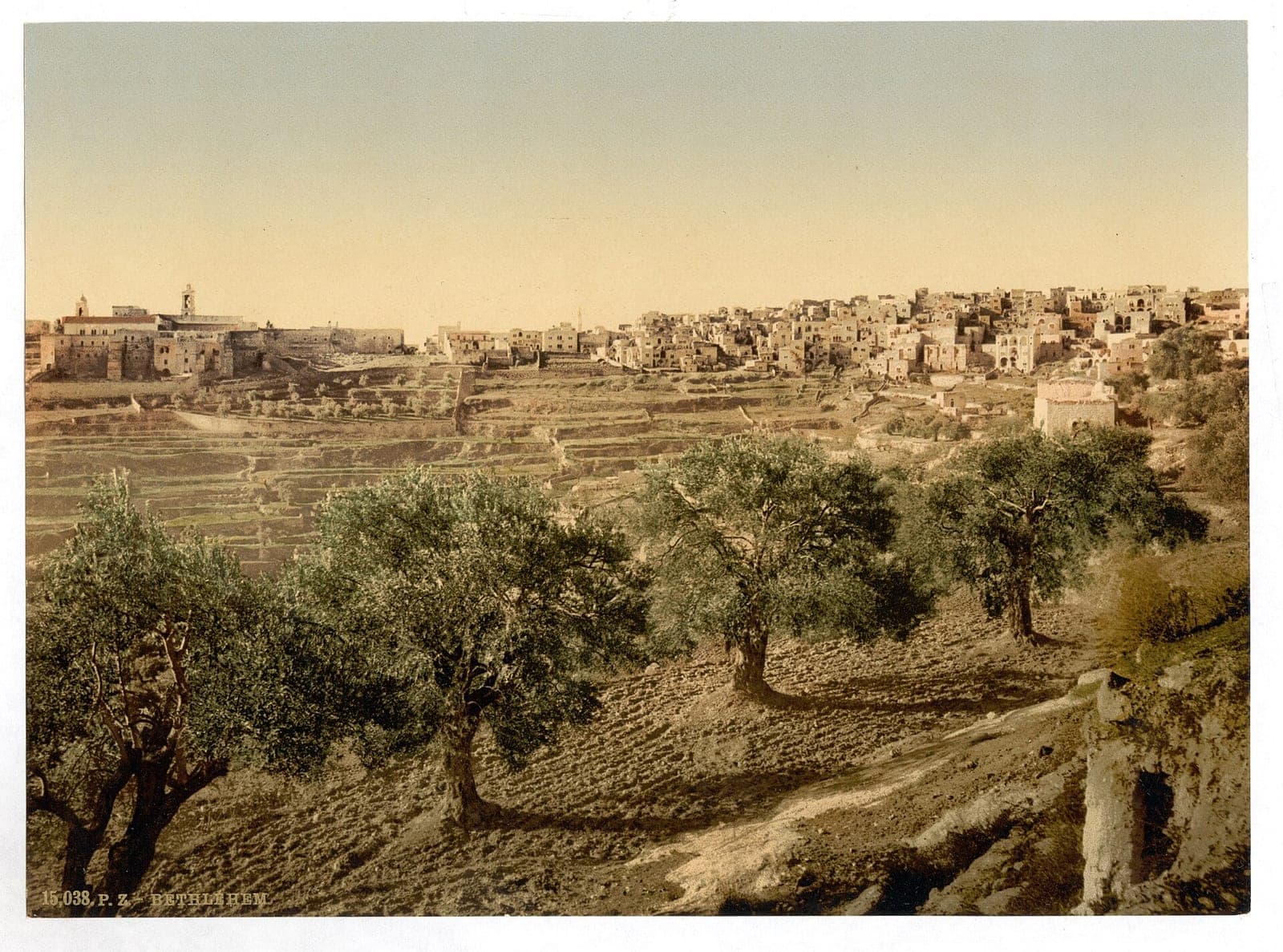
Photo: Photochrom print, Library of Congress Prints and Photographs Division (LCCN 2002724966). License: Public domain in the United States; Library of Congress states no known restrictions on publication. Source. Location: Bethlehem, West Bank; print preserved by the Library of Congress. Resized for the web.
Explore the places of the Bible
See where biblical events happened, why each place matters, and what archaeology helps us understand.
Bethlehem
David's hometown, and the town where Jesus was born.
Get full access with one subscription
Explore the people and places of the Bible. Read summaries of every book, with images and clear explanations covering every chapter. Access all these features and our Bible study tools with one subscription.
See PlansAsk AI about Acts 12:20
Ask a question about this verse and get a clear answer, with Bible references you can read for yourself.
Every Bible book, explained chapter by chapter
Explore summaries of every book of the Bible, with images and easy-to-understand explanations covering every chapter.
Keep studying Acts 12:20
Related Bible verses
At a Glance — the Book of Acts
- Author
- Luke the physician
- Written
- Around AD 62
- Genre
- Historical narrative
- Original Audience
- Gentile Christians (addressed to Theophilus)
Frequently Asked Questions
Quick, clear answers about this verse
What does Acts 12:20 mean?
Acts 12:20 describes King Herod's anger towards the people of Tyre and Sidon, who sought peace with him due to their reliance on his kingdom for food. Their unity in approaching him and befriending his chamberlain, Blastus, highlights the political dynamics and survival tactics in their relationship.
What is the significance of unity in Acts 12:20?
The unity of the people from Tyre and Sidon in Acts 12:20 shows the importance of collaboration when facing powerful figures. Their collective approach to Herod emphasizes that working together can be crucial for survival and resolving conflicts.
What does the phrase 'desired peace' in Acts 12:20 mean?
In Acts 12:20, 'desired peace' refers to the request made by the people of Tyre and Sidon to King Herod to mend their relationship. This plea was essential for them, as their survival depended on the trade and resources from his kingdom.
How does Acts 12:20 relate to dependency on political power?
Acts 12:20 illustrates the dependency of Tyre and Sidon on King Herod's kingdom for food, highlighting how political relationships can directly impact the survival of communities. It shows that when basic needs are at stake, people may seek reconciliation with those in power.
Daily Verse — straight to your inbox
A verse and a 2-sentence plain-English explanation, every morning. Free. Unsubscribe anytime.