New Testament
Acts 12:21
Read the Bible in clear, modern English—easy to understand, faithful to the meaning, and written for everyday readers.
On the appointed day, Herod put on his royal robes, sat on his throne, and delivered a speech to them.
Compare translations
And upon a set day Herod, arrayed in royal apparel, sat upon his throne, and made an oration unto them.
What Acts 12:21 means
Plain-English insight for readers
On a specific day, Herod, the king, dressed in his finest royal attire, took his place on the throne. He was ready to impress the crowd with a grand speech. This moment was significant, as it showcased his power and authority. People gathered to hear him, likely expecting something remarkable. Herod's appearance and words were meant to captivate and command respect. However, this scene also highlights the dangers of pride and the desire for admiration. While he sought to elevate himself, the story reminds us that true greatness comes from humility and service, not from seeking applause. In the end, Herod's focus on his own glory serves as a cautionary tale about the fleeting nature of human recognition and the importance of staying grounded in our values and purpose. It’s a powerful reminder that our worth is not defined by how others see us, but by our character and actions in everyday life. This moment in history serves as a lesson for us all about the consequences of arrogance and the importance of humility.
How to apply Acts 12:21 to your life
Consider how you seek recognition in your life. Are you focused on impressing others, or are you grounded in your values? Strive to be humble and serve those around you. Remember, true worth comes from character, not from applause or status. Reflect on your motivations daily to stay true to yourself and your purpose in life. “Be humble, serve others.” “Seek character over applause.” “Stay grounded in your values.” “Reflect on your motivations.”
Curated for this public verse page. Acts Summary
Explore more of the Bible
Learn the Bible through its people and places
Get to know the people in Scripture through illustrated stories, and explore the places where they lived and traveled.
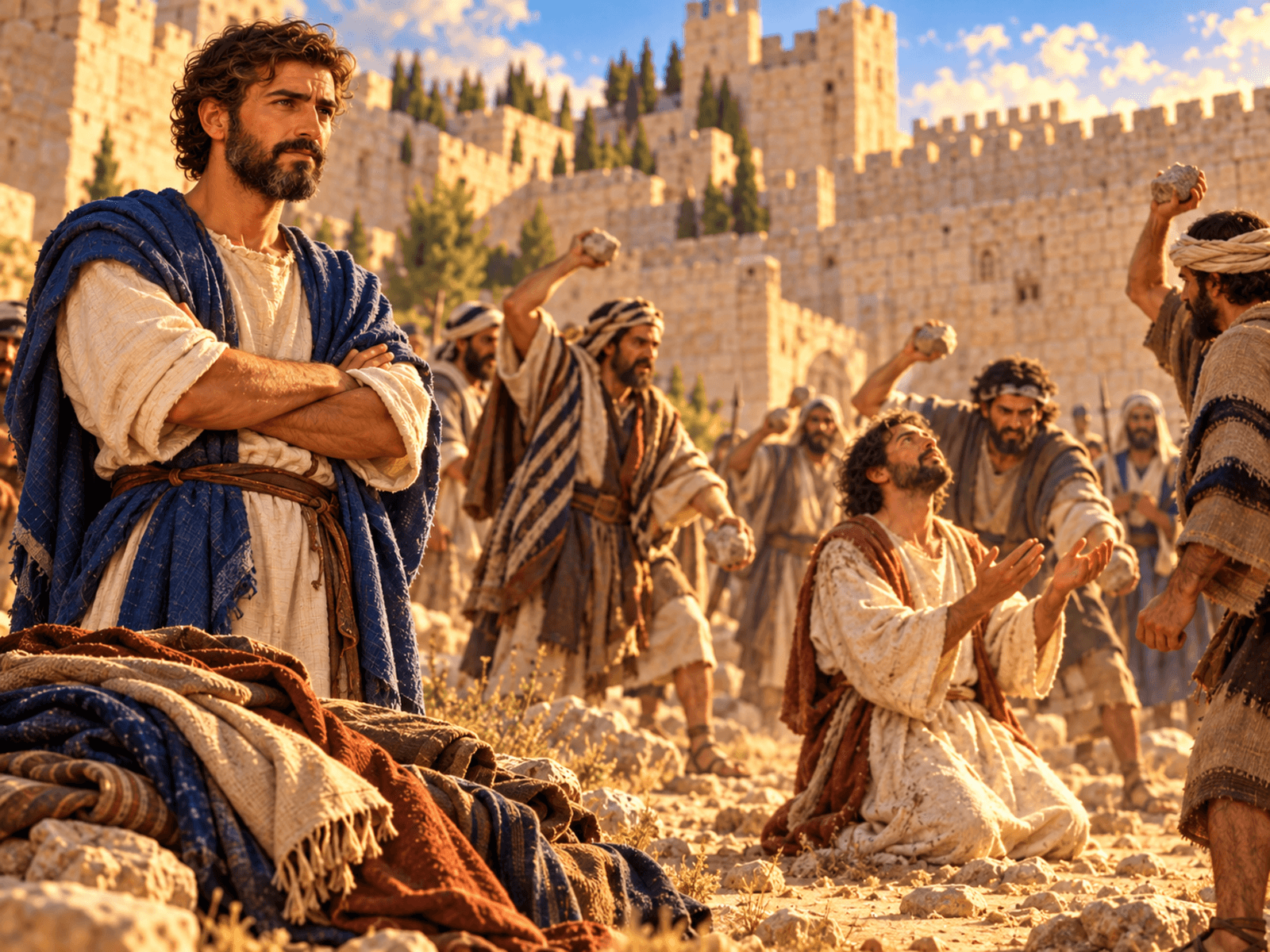
Illustrated scene from Paul's story: The Stoning of Stephen (Acts 7:57–8:2)
Meet the people of the Bible
Follow their lives in order, with illustrated scenes and Bible passages that tell their stories.
 Paul
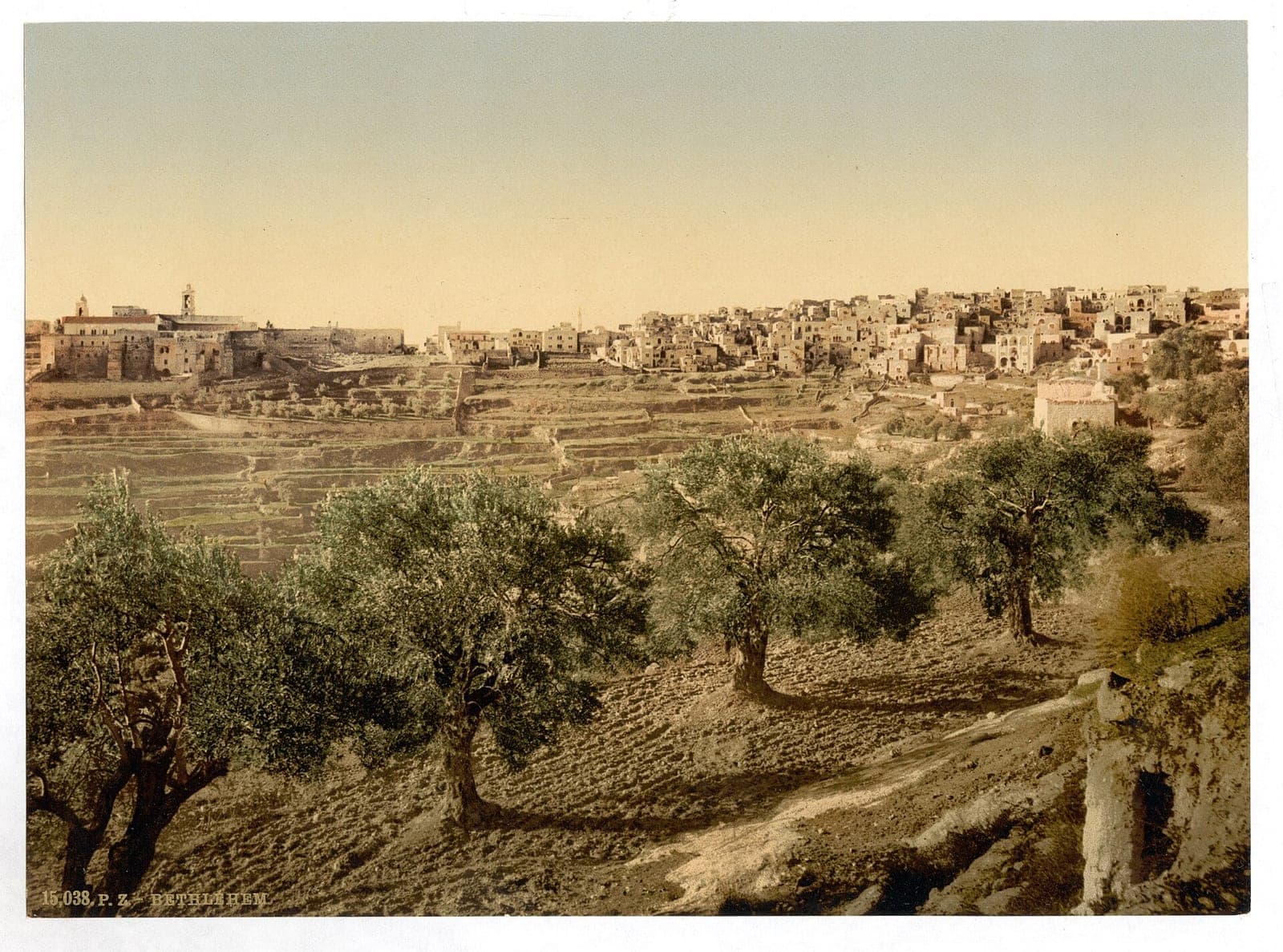
Photo: Photochrom print, Library of Congress Prints and Photographs Division (LCCN 2002724966). License: Public domain in the United States; Library of Congress states no known restrictions on publication. Source. Location: Bethlehem, West Bank; print preserved by the Library of Congress. Resized for the web.
Explore the places of the Bible
See where biblical events happened, why each place matters, and what archaeology helps us understand.
Bethlehem
David's hometown, and the town where Jesus was born.
Get full access with one subscription
Explore the people and places of the Bible. Read summaries of every book, with images and clear explanations covering every chapter. Access all these features and our Bible study tools with one subscription.
See PlansAsk AI about Acts 12:21
Ask a question about this verse and get a clear answer, with Bible references you can read for yourself.
Every Bible book, explained chapter by chapter
Explore summaries of every book of the Bible, with images and easy-to-understand explanations covering every chapter.
Keep studying Acts 12:21
Related Bible verses
At a Glance — the Book of Acts
- Author
- Luke the physician
- Written
- Around AD 62
- Genre
- Historical narrative
- Original Audience
- Gentile Christians (addressed to Theophilus)
Frequently Asked Questions
Quick, clear answers about this verse
What does Acts 12:21 mean?
Acts 12:21 describes a moment when King Herod, dressed in royal attire, took his throne to deliver a speech. This scene emphasizes Herod's desire for power and recognition, showcasing his authority and the expectations of the crowd.
What is the significance of Herod's royal robes in Acts 12:21?
Herod's royal robes symbolize his status and power as a king. By dressing in his finest attire, he aimed to impress the audience and assert his authority, highlighting the theme of pride in this passage.
How does Acts 12:21 relate to pride and humility?
Acts 12:21 highlights Herod's pride as he seeks admiration from the crowd. The verse contrasts his desire for glory with the biblical principle that true greatness comes from humility and serving others.
What lessons can we learn from Acts 12:21?
From Acts 12:21, we learn about the consequences of seeking recognition and the importance of humility. It encourages us to reflect on our motivations and prioritize character over the pursuit of applause.
Daily Verse — straight to your inbox
A verse and a 2-sentence plain-English explanation, every morning. Free. Unsubscribe anytime.