New Testament
Acts 14:1
Read the Bible in clear, modern English—easy to understand, faithful to the meaning, and written for everyday readers.
In Iconium, Paul and Barnabas went together into the Jewish synagogue and spoke so effectively that a large number of both Jews and Greeks came to believe.
Compare translations
And it came to pass in Iconium, that they went both together into the synagogue of the Jews, and so spake, that a great multitude both of the Jews and also of the Greeks believed.
What Acts 14:1 means
Plain-English insight for readers
In the city of Iconium, Paul and Barnabas entered the local Jewish synagogue together. They spoke with such clarity and passion that their message resonated deeply with the people. As they shared their beliefs, many listeners, both Jews and Greeks, found themselves moved and began to believe in what they were saying. This moment highlights the power of effective communication and the impact it can have on people's lives. The duo's ability to connect with a diverse audience shows that truth can transcend cultural boundaries. Their experience reminds us that sharing our beliefs can lead to significant change in others. It’s a testament to the importance of community and dialogue in faith. When we speak from the heart, we can inspire others to explore new ideas and beliefs, just as Paul and Barnabas did in Iconium. Their journey encourages us to be bold in sharing our own stories and truths, fostering understanding and connection among different groups of people. This is how faith can grow and flourish in a community.
How to apply Acts 14:1 to your life
When sharing your beliefs, focus on clear and heartfelt communication. Engage with people from different backgrounds and listen to their perspectives. Your openness can inspire others to explore new ideas and foster a sense of community. Remember, your story can make a difference in someone else's life. Be bold and share your truth with love and respect.
Curated for this public verse page. Acts Summary
Learn the Bible through its people and places
Get to know the people in Scripture through illustrated stories, and explore the places where they lived and traveled.
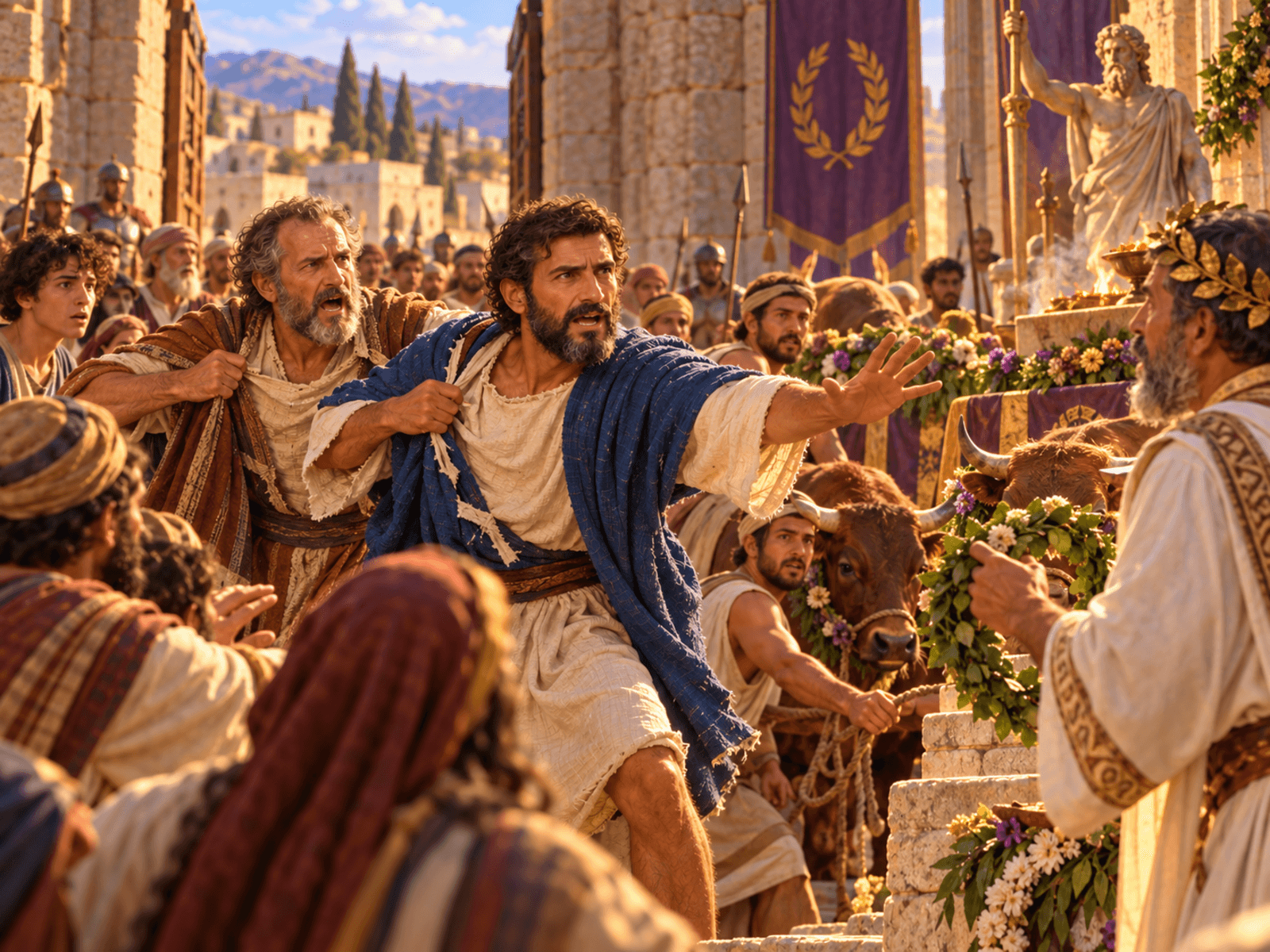
Illustrated scene from Paul's story: Mistaken for Gods at Lystra (Acts 14:1–18)
Meet the people of the Bible
Follow their lives in order, with illustrated scenes and Bible passages that tell their stories.
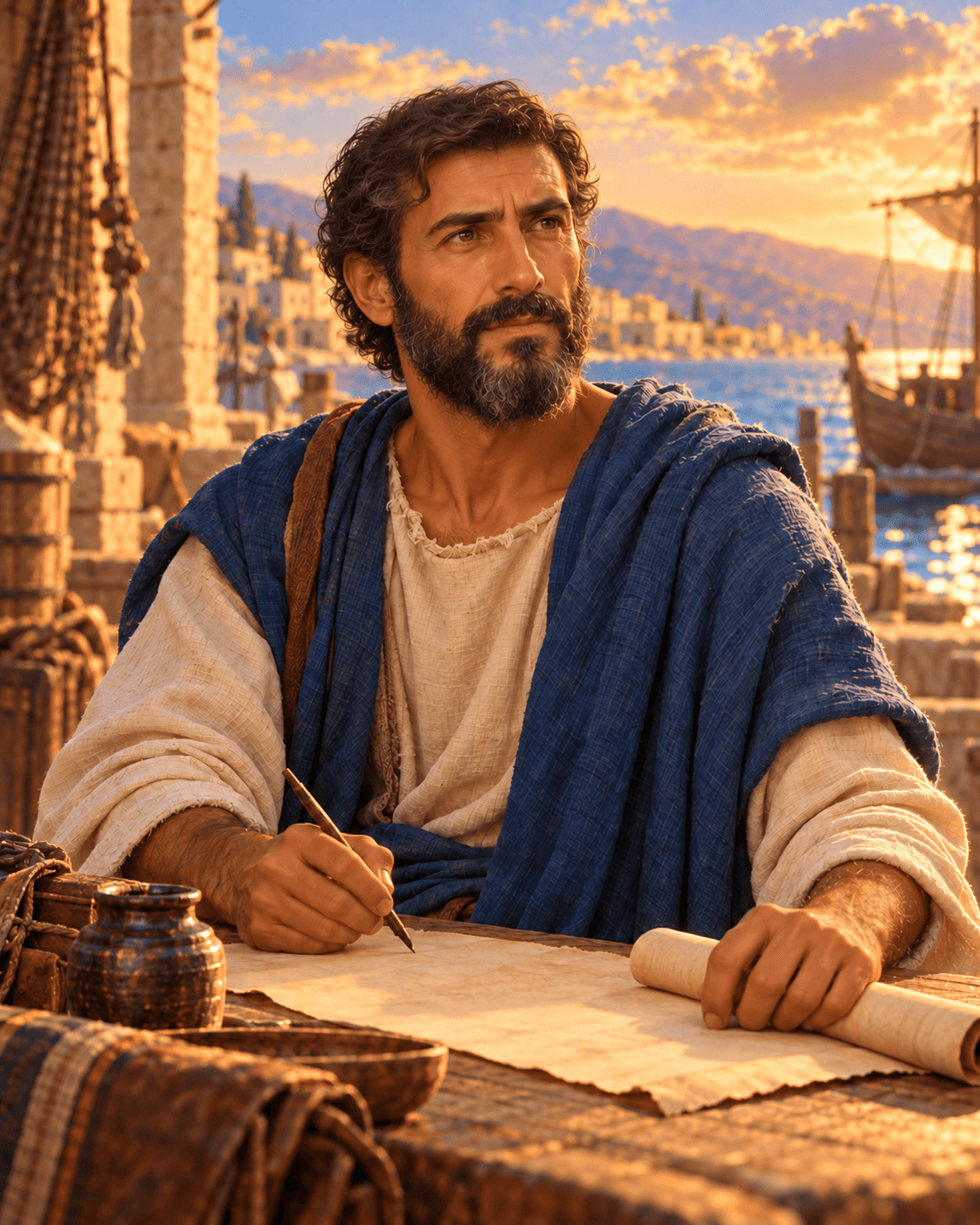 Paul
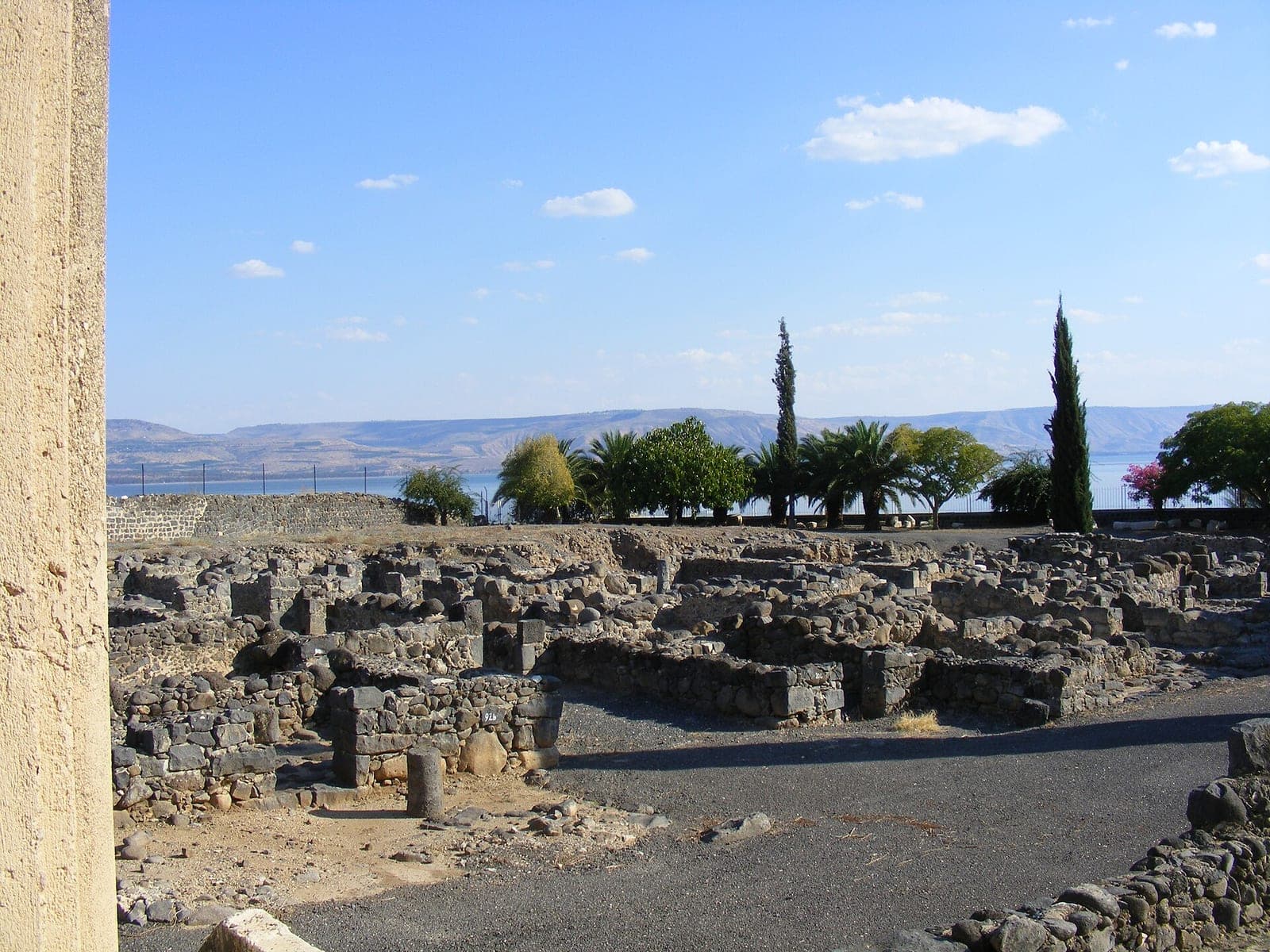
Photo: zeevveez, via Wikimedia Commons. License: CC BY 2.0. Source. Location: Capernaum, on the northern shore of the Sea of Galilee. Resized for the web.
Explore the places of the Bible
See where biblical events happened, why each place matters, and what archaeology helps us understand.
Capernaum
Jesus' home base by the Sea of Galilee, and the town where Peter lived.
Get full access with one subscription
Explore the people and places of the Bible. Read summaries of every book, with images and clear explanations covering every chapter. Access all these features and our Bible study tools with one subscription.
See PlansAsk AI about Acts 14:1
Ask a question about this verse and get a clear answer, with Bible references you can read for yourself.
Every Bible book, explained chapter by chapter
Explore summaries of every book of the Bible, with images and easy-to-understand explanations covering every chapter.
Keep studying Acts 14:1
Related Bible verses
Key themes
Related topics
At a Glance — the Book of Acts
- Author
- Luke the physician
- Written
- Around AD 62
- Genre
- Historical narrative
- Original Audience
- Gentile Christians (addressed to Theophilus)
Frequently Asked Questions
Quick, clear answers about this verse
What is the significance of Paul and Barnabas speaking in the synagogue?
Paul and Barnabas speaking in the synagogue signifies their commitment to sharing the message of Christianity with both Jews and Gentiles. The synagogue was a central place of worship and community for Jews, making it an ideal setting for them to reach a diverse audience. Their effective communication led to many believing in their message, highlighting the importance of engaging with different cultural backgrounds in faith discussions.
How did Paul and Barnabas manage to convert both Jews and Greeks?
Paul and Barnabas were able to convert both Jews and Greeks by effectively communicating their message in a way that resonated with both groups. They likely used common ground in scripture and shared experiences to connect with their audience. Their ability to articulate their beliefs clearly and passionately allowed them to bridge cultural gaps, demonstrating that the message of faith can appeal to a wide range of people.
What can we learn from the way Paul and Barnabas communicated their message?
We can learn the importance of clarity and passion in communication. Paul and Barnabas spoke with conviction, which helped them connect with their audience. This teaches us that when sharing our beliefs, we should strive to be clear and heartfelt, making our message relatable and engaging. Listening to others and understanding their perspectives can also enhance our ability to communicate effectively.
Why is the setting of Iconium important in this passage?
Iconium serves as a significant backdrop for this passage because it was a multicultural city where both Jews and Greeks lived. This setting illustrates the challenges and opportunities of spreading the Christian message in diverse environments. The success of Paul and Barnabas in converting people from different backgrounds emphasizes the universal appeal of their message and the potential for faith to unite various communities.
Daily Verse — straight to your inbox
A verse and a 2-sentence plain-English explanation, every morning. Free. Unsubscribe anytime.