New Testament
Acts 2:9
Read the Bible in clear, modern English—easy to understand, faithful to the meaning, and written for everyday readers.
Parthians, Medes, Elamites, people from Mesopotamia, Judaea, Cappadocia, Pontus, Asia,
Compare translations
Parthians, and Medes, and Elamites, and the dwellers in Mesopotamia, and in Judaea, and Cappadocia, in Pontus, and Asia,
What Acts 2:9 means
Plain-English insight for readers
In Acts 2:9, we see a diverse group of people mentioned, highlighting the rich tapestry of cultures present during the early days of the church. Parthians, Medes, and Elamites are just a few of the names listed, representing various regions and backgrounds. This diversity is significant because it shows that the message of hope and unity transcends geographical and cultural boundaries. The mention of these groups emphasizes that the early Christian message was not limited to one ethnicity or culture but was meant for everyone. It serves as a reminder that faith can bring together people from all walks of life. The early church was a melting pot of different languages and traditions, illustrating the universal appeal of its teachings. This moment in history marks the beginning of a movement that would spread across nations, uniting people in a shared belief. Understanding this context helps us appreciate the inclusivity of the Christian message and its relevance today.
How to apply Acts 2:9 to your life
Reflect on the diversity in your own community and how it enriches your life. Consider ways to connect with people from different backgrounds. Embrace the idea that everyone has something valuable to contribute, and seek to build bridges of understanding and friendship across cultural divides. This can lead to a more harmonious environment for all of us.
Curated for this public verse page. Acts Summary
Explore more of the Bible
Learn the Bible through its people and places
Get to know the people in Scripture through illustrated stories, and explore the places where they lived and traveled.
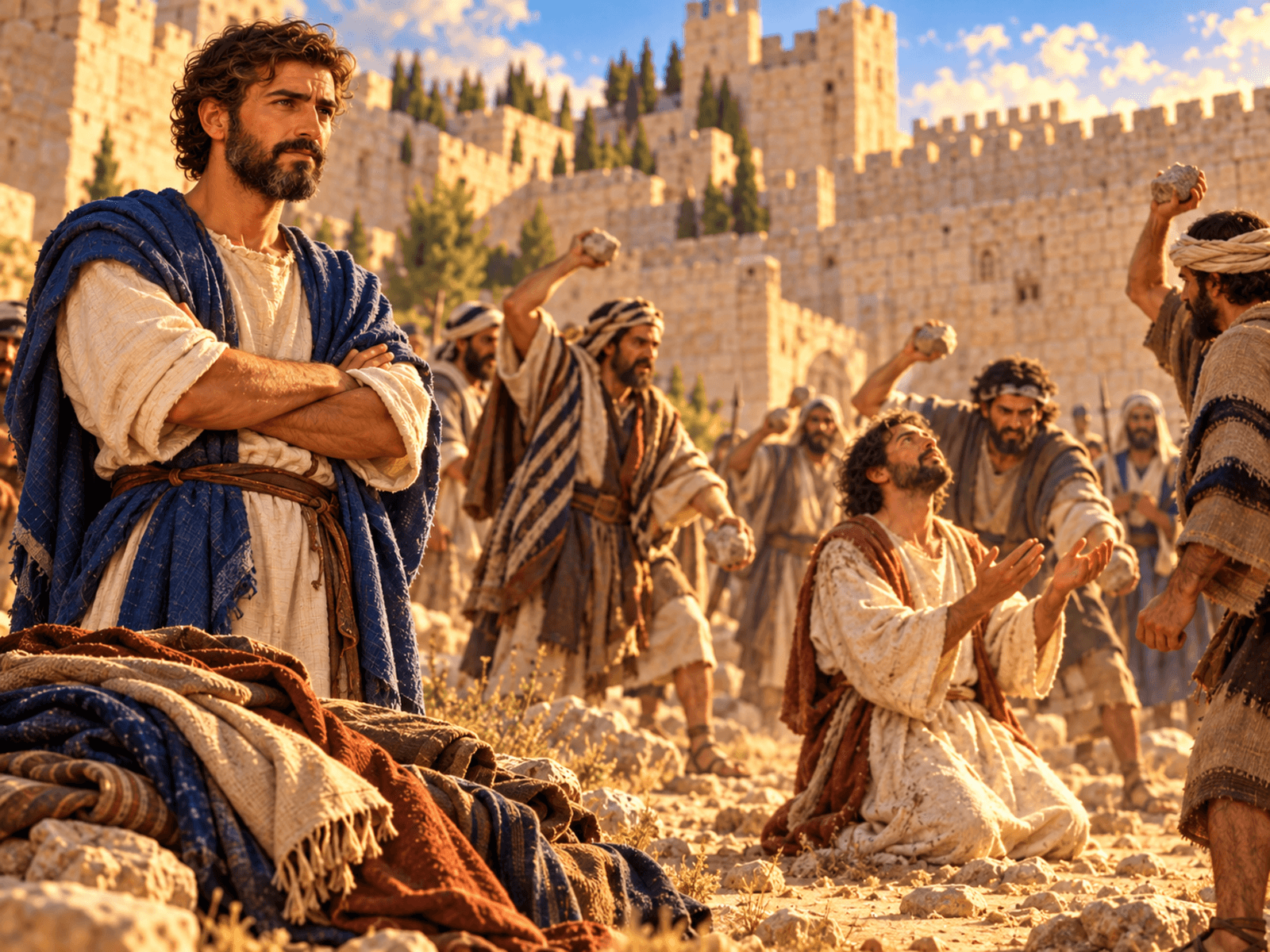
Illustrated scene from Paul's story: The Stoning of Stephen (Acts 7:57–8:2)
Meet the people of the Bible
Follow their lives in order, with illustrated scenes and Bible passages that tell their stories.
 Paul

Photo: Gary Todd (Gary Lee Todd, Ph.D.), via Wikimedia Commons. License: CC0 1.0 Universal Public Domain Dedication. Source. Location: Southern end of the Temple Mount, Jerusalem Old City. Resized for the web.
Explore the places of the Bible
See where biblical events happened, why each place matters, and what archaeology helps us understand.
Jerusalem
David's capital, the city of the temple, and the place where Jesus died and rose again.
Get full access with one subscription
Explore the people and places of the Bible. Read summaries of every book, with images and clear explanations covering every chapter. Access all these features and our Bible study tools with one subscription.
See PlansAsk AI about Acts 2:9
Ask a question about this verse and get a clear answer, with Bible references you can read for yourself.
Every Bible book, explained chapter by chapter
Explore summaries of every book of the Bible, with images and easy-to-understand explanations covering every chapter.
Keep studying Acts 2:9
At a Glance — the Book of Acts
- Author
- Luke the physician
- Written
- Around AD 62
- Genre
- Historical narrative
- Original Audience
- Gentile Christians (addressed to Theophilus)
Frequently Asked Questions
Quick, clear answers about this verse
What does Acts 2:9 teach us about diversity?
Acts 2:9 highlights the diversity of the early church by listing various groups such as Parthians, Medes, and Elamites. This diversity illustrates that the Christian message was intended for all people, regardless of their cultural or ethnic backgrounds. It serves as a reminder that faith can unite individuals from different walks of life, emphasizing inclusivity and the universal appeal of the Gospel.
Why is the mention of different regions in Acts 2:9 important?
The mention of different regions in Acts 2:9 is significant because it showcases the wide reach of the early Christian message. By including people from various areas like Mesopotamia, Judea, and Asia, the verse emphasizes that the teachings of Jesus were meant for everyone, transcending geographical and cultural boundaries. This inclusivity is foundational to the growth of the early church and its mission.
How can we apply the message of Acts 2:9 today?
We can apply the message of Acts 2:9 by actively embracing diversity in our communities. This involves seeking to understand and connect with people from different backgrounds, recognizing the value each person brings. By fostering relationships across cultural divides, we can create a more inclusive environment that reflects the unity and love central to the Christian faith.
What is the significance of the early church's diversity in Acts 2:9?
The early church's diversity, as seen in Acts 2:9, is significant because it demonstrates that the Christian faith is not limited to a single culture or ethnicity. This diversity allowed for a richer exchange of ideas and experiences, which helped the church grow and adapt. It also sets a precedent for modern believers to embrace inclusivity and celebrate the variety of backgrounds within the faith community.
Daily Verse — straight to your inbox
A verse and a 2-sentence plain-English explanation, every morning. Free. Unsubscribe anytime.