New Testament
Acts 7:28
Read the Bible in clear, modern English—easy to understand, faithful to the meaning, and written for everyday readers.
Are you going to kill me the way you killed that Egyptian yesterday?'
Compare translations
Wilt thou kill me, as thou diddest the Egyptian yesterday?
What Acts 7:28 means
Plain-English insight for readers
In this moment, a man confronts Moses, questioning his actions. He refers to a previous incident where Moses killed an Egyptian who was mistreating a Hebrew slave. The man’s words reveal his fear and anger, suggesting that Moses is not a savior but a potential threat. This confrontation highlights the tension between Moses’ identity as a Hebrew and his life in the Egyptian palace. It also shows how quickly people can turn against someone they once admired. Moses, who thought he was acting justly, is now seen as a murderer. This moment serves as a turning point for Moses, forcing him to reconsider his role and the consequences of his actions. It emphasizes the complexity of leadership and the challenges that come with standing up for what is right. Ultimately, it illustrates the struggle between personal conviction and public perception, a theme that resonates throughout history and in our own lives today. Understanding this moment helps us reflect on our own choices and the impact they have on others.
How to apply Acts 7:28 to your life
When faced with difficult situations, consider how your actions may be perceived by others. Reflect on the motivations behind your choices and the potential consequences they may have. Strive to act with integrity and be mindful of the impact you have on those around you. Your decisions matter more than you think, so choose wisely.
Curated for this public verse page. Acts Summary
Learn the Bible through its people and places
Get to know the people in Scripture through illustrated stories, and explore the places where they lived and traveled.
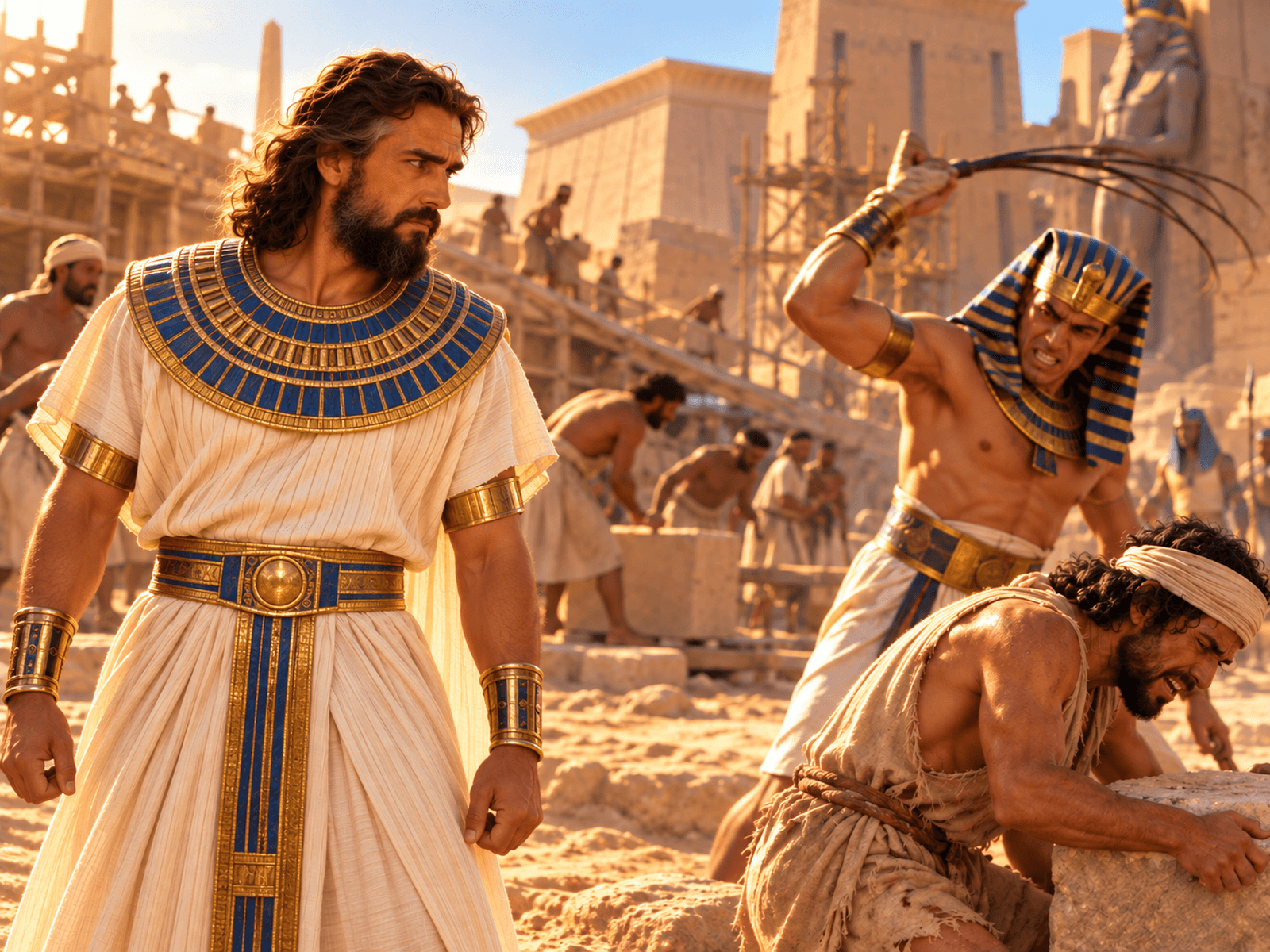
Illustrated scene from Moses's story: Moses Kills an Egyptian (Acts 7:23–29)
Meet the people of the Bible
Follow their lives in order, with illustrated scenes and Bible passages that tell their stories.
 Moses
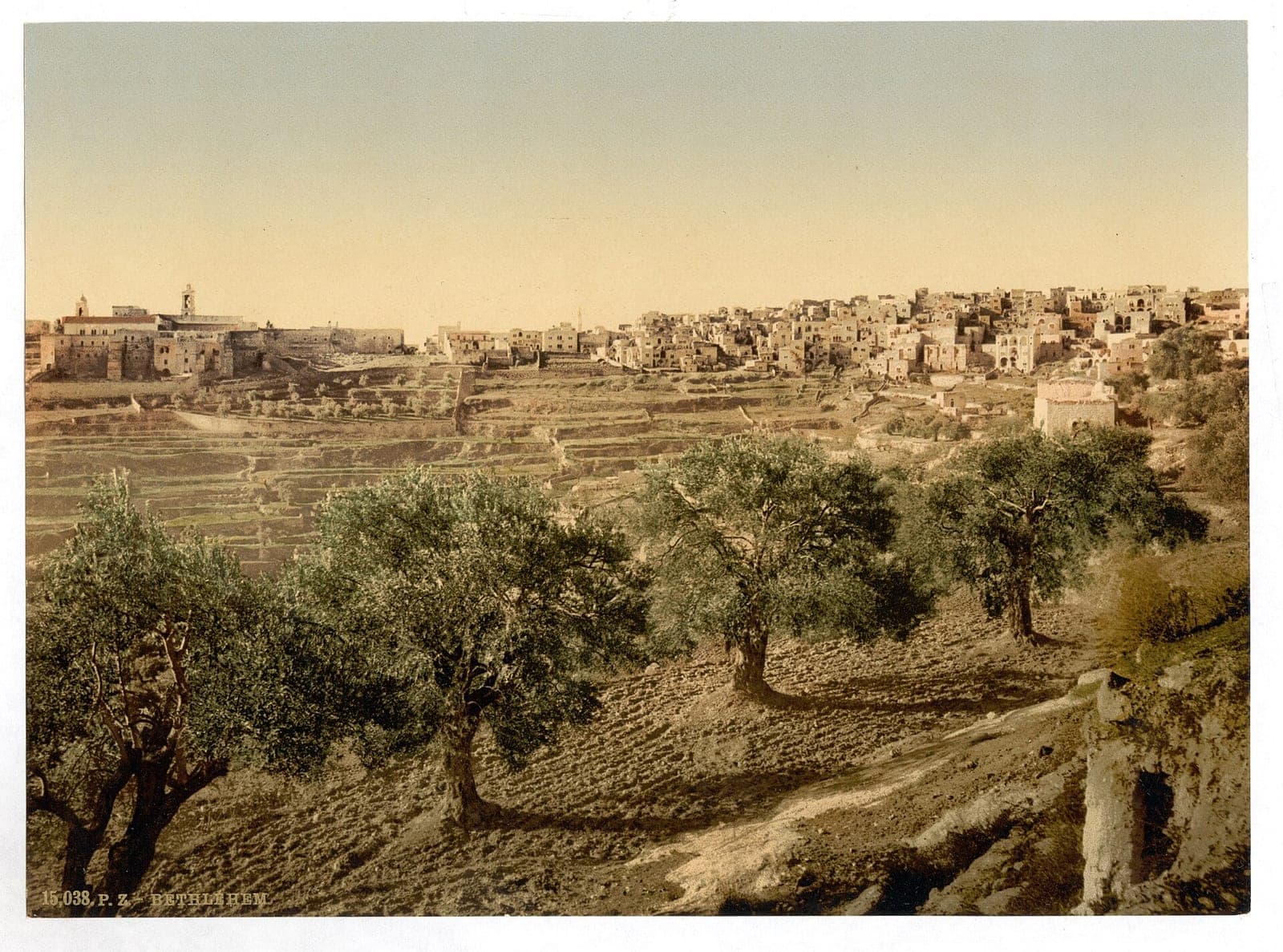
Photo: Photochrom print, Library of Congress Prints and Photographs Division (LCCN 2002724966). License: Public domain in the United States; Library of Congress states no known restrictions on publication. Source. Location: Bethlehem, West Bank; print preserved by the Library of Congress. Resized for the web.
Explore the places of the Bible
See where biblical events happened, why each place matters, and what archaeology helps us understand.
Bethlehem
David's hometown, and the town where Jesus was born.
Get full access with one subscription
Explore the people and places of the Bible. Read summaries of every book, with images and clear explanations covering every chapter. Access all these features and our Bible study tools with one subscription.
See PlansAsk AI about Acts 7:28
Ask a question about this verse and get a clear answer, with Bible references you can read for yourself.
Every Bible book, explained chapter by chapter
Explore summaries of every book of the Bible, with images and easy-to-understand explanations covering every chapter.
Keep studying Acts 7:28
Related Bible verses
Key themes
Related topics
At a Glance — the Book of Acts
- Author
- Luke the physician
- Written
- Around AD 62
- Genre
- Historical narrative
- Original Audience
- Gentile Christians (addressed to Theophilus)
Frequently Asked Questions
Quick, clear answers about this verse
What does Acts 7:28 reveal about Moses' character?
Acts 7:28 highlights the complexity of Moses' character. It shows that despite his noble intentions to protect his fellow Hebrews, he is perceived as a murderer by the very people he aims to help. This moment underscores the internal conflict Moses faces between his identity as a Hebrew and his upbringing in the Egyptian palace, illustrating the challenges of leadership and the consequences of one's actions.
Why did the man confront Moses in Acts 7:28?
The man confronted Moses in Acts 7:28 out of fear and anger. He references Moses' previous act of killing an Egyptian, suggesting that instead of being a savior, Moses could be seen as a threat. This confrontation reveals the tension and mistrust that can arise when someone in a position of power acts outside societal norms, emphasizing the complexities of justice and leadership.
What can we learn from the confrontation in Acts 7:28?
The confrontation in Acts 7:28 teaches us about the importance of understanding how our actions are perceived by others. It serves as a reminder that even well-intentioned actions can lead to misunderstandings and conflict. This moment encourages us to reflect on our motivations and the potential consequences of our choices, urging us to act with integrity and awareness of the impact we have on those around us.
How does Acts 7:28 relate to themes of justice and leadership?
Acts 7:28 relates to themes of justice and leadership by illustrating the fine line between being a protector and being perceived as a threat. Moses' attempt to deliver justice for a Hebrew slave results in unintended consequences, leading to his rejection by the very people he sought to help. This highlights the complexities leaders face when their actions are misinterpreted, emphasizing the need for wisdom and sensitivity in leadership roles.
Daily Verse — straight to your inbox
A verse and a 2-sentence plain-English explanation, every morning. Free. Unsubscribe anytime.