New Testament
Acts 9:39
Read the Bible in clear, modern English—easy to understand, faithful to the meaning, and written for everyday readers.
Peter got up and went with them. When he arrived, they brought him to the upper room. All the widows stood around him weeping, showing him the tunics and garments that Dorcas had made while she was with them.
Compare translations
Then Peter arose and went with them. When he was come, they brought him into the upper chamber: and all the widows stood by him weeping, and shewing the coats and garments which Dorcas made, while she was with them.
What Acts 9:39 means
Plain-English insight for readers
In this scene, Peter responds to a call for help and travels to a place where a woman named Dorcas has died. When he arrives, he finds a group of widows mourning her loss. They are deeply saddened and show Peter the beautiful clothes that Dorcas made for them. These garments represent not just her skill, but also her kindness and the impact she had on their lives. The widows' tears reflect their love and appreciation for Dorcas, highlighting how she cared for them during her life. This moment emphasizes the importance of community and the legacy we leave behind through our actions. It reminds us that our contributions can touch lives in profound ways, even after we are gone. Peter's presence signifies hope, as he is about to perform a miracle that will change everything for these grieving women. This story encourages us to cherish those who uplift us and to recognize the value of our own contributions to others' lives, no matter how small they may seem at the time.
How to apply Acts 9:39 to your life
Consider how your actions impact those around you. Like Dorcas, strive to leave a positive mark on your community through kindness and service. Reflect on the relationships you build and the legacy you create through your everyday choices. Every small act of love counts. Remember, you can make a difference in someone's life today.
Curated for this public verse page. Acts Summary
Learn the Bible through its people and places
Get to know the people in Scripture through illustrated stories, and explore the places where they lived and traveled.
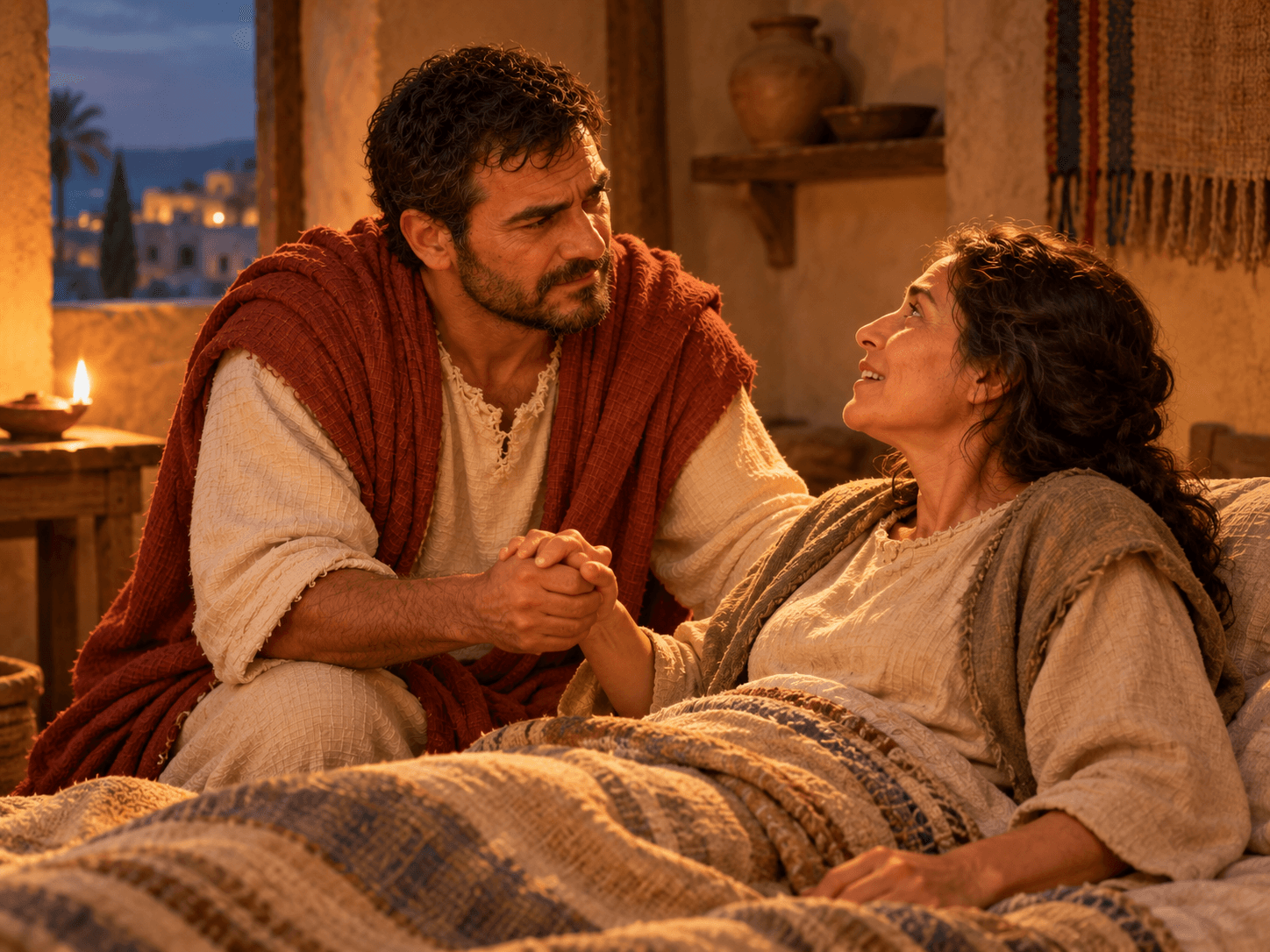
Illustrated scene from Peter's story: “Tabitha, Get Up” (Acts 9:36–43)
Meet the people of the Bible
Follow their lives in order, with illustrated scenes and Bible passages that tell their stories.
 Peter

Photo: zeevveez, via Wikimedia Commons. License: CC BY 2.0. Source. Location: Capernaum, on the northern shore of the Sea of Galilee. Resized for the web.
Explore the places of the Bible
See where biblical events happened, why each place matters, and what archaeology helps us understand.
Capernaum
Jesus' home base by the Sea of Galilee, and the town where Peter lived.
Get full access with one subscription
Explore the people and places of the Bible. Read summaries of every book, with images and clear explanations covering every chapter. Access all these features and our Bible study tools with one subscription.
See PlansAsk AI about Acts 9:39
Ask a question about this verse and get a clear answer, with Bible references you can read for yourself.
Every Bible book, explained chapter by chapter
Explore summaries of every book of the Bible, with images and easy-to-understand explanations covering every chapter.
Keep studying Acts 9:39
Related Bible verses
At a Glance — the Book of Acts
- Author
- Luke the physician
- Written
- Around AD 62
- Genre
- Historical narrative
- Original Audience
- Gentile Christians (addressed to Theophilus)
Frequently Asked Questions
Quick, clear answers about this verse
What does Acts 9:39 mean?
Acts 9:39 describes Peter's visit to a grieving community mourning the death of Dorcas. The widows show Peter the garments she made, highlighting her kindness and the impact she had on their lives.
What is the significance of Dorcas in Acts 9:39?
Dorcas, also known as Tabitha, is significant in Acts 9:39 for her acts of charity and service to the widows. Her life and the mourning of the widows illustrate the deep connections formed through kindness and community support.
What does the weeping of the widows in Acts 9:39 represent?
The weeping of the widows in Acts 9:39 represents their profound grief and loss over Dorcas's death. It shows how much she meant to them and the void her absence creates in their lives.
What can we learn from Acts 9:39 about community?
Acts 9:39 teaches us about the importance of community and the impact one individual can have on many lives. It encourages us to contribute positively to our communities through acts of kindness and service.
Daily Verse — straight to your inbox
A verse and a 2-sentence plain-English explanation, every morning. Free. Unsubscribe anytime.