Old Testament
Daniel 10:3
Read the Bible in clear, modern English—easy to understand, faithful to the meaning, and written for everyday readers.
I ate no rich food. No meat or wine touched my lips, and I didn't use any oils on my body for the entire 3 weeks.
Compare translations
I ate no pleasant bread, neither came flesh nor wine in my mouth, neither did I anoint myself at all, till three whole weeks were fulfilled.
What Daniel 10:3 means
Plain-English insight for readers
In this passage, Daniel describes a period of intense focus and dedication. For three weeks, he chose to abstain from rich foods, meat, and wine, which were common sources of pleasure and comfort. Instead, he engaged in a form of fasting, which was a way to seek clarity and connection with God. By avoiding oils, he also demonstrated a commitment to humility and simplicity. This was not just a diet; it was a spiritual discipline aimed at deepening his understanding and receiving guidance. Daniel's actions reflect a desire to prioritize spiritual matters over physical indulgences. His experience shows that sometimes, stepping back from our usual comforts can lead to greater insights and revelations. This period of fasting was a way for him to prepare himself for what was to come, emphasizing the importance of being spiritually ready for challenges ahead. Daniel's commitment serves as a powerful reminder of the value of self-discipline in our own lives, especially when seeking clarity or direction.
How to apply Daniel 10:3 to your life
Consider setting aside time for fasting or reflection in your own life. This could mean reducing distractions or comforts to focus on what truly matters. Use this time to seek clarity in your decisions and deepen your understanding of your purpose. Remember, self-discipline can lead to profound insights and growth. Embrace the journey of self-discovery and connection with your inner self and values. “Be still and know.” “Seek and you shall find.”
Curated for this public verse page. Daniel Summary
Learn the Bible through its people and places
Get to know the people in Scripture through illustrated stories, and explore the places where they lived and traveled.
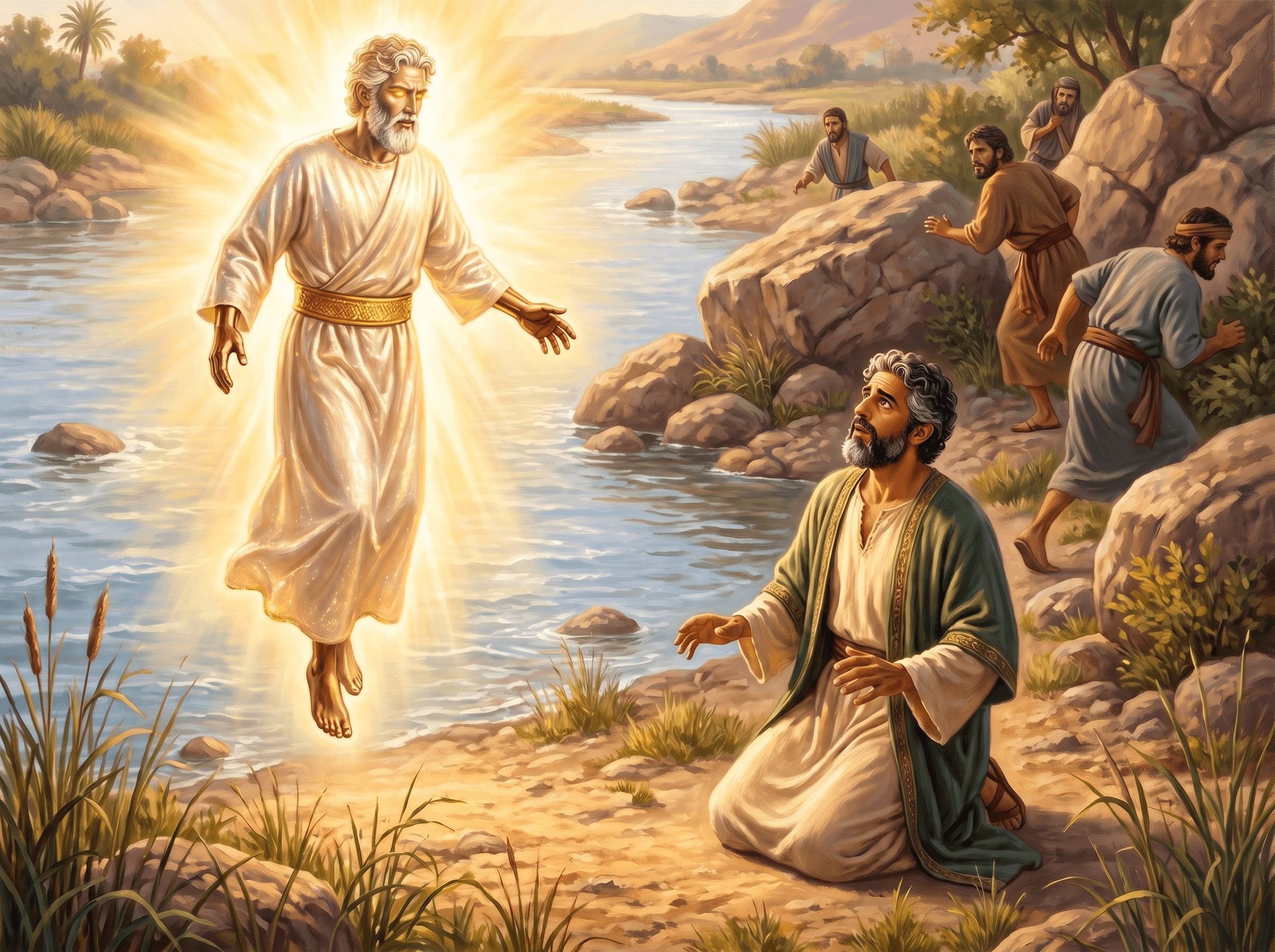
Illustrated scene from Daniel's story: A Vision by the River (Daniel 10:1–21)
Meet the people of the Bible
Follow their lives in order, with illustrated scenes and Bible passages that tell their stories.
 Daniel

Photo: Photochrom print, Library of Congress Prints and Photographs Division (LCCN 2002725043). License: Public domain in the United States; Library of Congress states no known restrictions on publication. Source. Location: Nablus and Mount Gerizim, West Bank; print preserved by the Library of Congress. Resized for the web.
Explore the places of the Bible
See where biblical events happened, why each place matters, and what archaeology helps us understand.
Shechem
Where God promised the land to Abram, and where Joshua led Israel to renew the covenant.
Get full access with one subscription
Explore the people and places of the Bible. Read summaries of every book, with images and clear explanations covering every chapter. Access all these features and our Bible study tools with one subscription.
See PlansAsk AI about Daniel 10:3
Ask a question about this verse and get a clear answer, with Bible references you can read for yourself.
Every Bible book, explained chapter by chapter
Explore summaries of every book of the Bible, with images and easy-to-understand explanations covering every chapter.
Keep studying Daniel 10:3
Related Bible verses
Key themes
Related topics
At a Glance — the Book of Daniel
- Author
- Daniel the prophet
- Written
- Around 530 BC
- Genre
- Prophecy and apocalyptic
- Original Audience
- Exiled Jews and future generations
Frequently Asked Questions
Quick, clear answers about this verse
What does Daniel 10:3 mean?
Daniel 10:3 describes a period of fasting where Daniel abstained from rich foods, meat, and wine for three weeks. This act was a way for him to focus on spiritual matters and seek guidance from God.
What is the significance of fasting in Daniel 10:3?
Fasting in Daniel 10:3 signifies a commitment to spiritual discipline and humility. By avoiding comforts, Daniel aimed to deepen his connection with God and prepare himself for receiving important revelations.
What does 'no pleasant bread' mean in Daniel 10:3?
'No pleasant bread' refers to Daniel's choice to avoid rich or indulgent foods during his fasting period. This emphasizes his dedication to seeking clarity and spiritual insight over physical pleasure.
Why did Daniel not anoint himself in Daniel 10:3?
Daniel refrained from anointing himself as part of his fasting practice, which symbolizes humility and a focus on spiritual rather than physical comforts during his time of seeking God.
Daily Verse — straight to your inbox
A verse and a 2-sentence plain-English explanation, every morning. Free. Unsubscribe anytime.