Old Testament
Deuteronomy 1:27
Read the Bible in clear, modern English—easy to understand, faithful to the meaning, and written for everyday readers.
You grumbled in your tents and said, "The LORD hates us! That's why he brought us out of Egypt — to hand us over to the Amorites and let them destroy us.
Compare translations
And ye murmured in your tents, and said, Because the LORD hated us, he hath brought us forth out of the land of Egypt, to deliver us into the hand of the Amorites, to destroy us.
What Deuteronomy 1:27 means
Plain-English insight for readers
In this verse, the people expressed their deep frustration and fear while they were in their tents. They believed that God had turned against them, thinking that He had brought them out of Egypt only to let them be defeated by their enemies, the Amorites. This reflects a lack of trust in God’s intentions and power. Instead of remembering the miracles He performed to free them, they focused on their fears and doubts. Their grumbling shows how easy it is to forget the good things God has done when faced with challenges. This moment highlights the importance of maintaining faith, even when circumstances seem dire. It serves as a reminder that our perceptions can distort reality, leading us to believe that we are abandoned when, in fact, we are not. Trusting in God’s plan is crucial, especially during tough times, as He has a purpose for our journey, even if we cannot see it clearly at the moment. This verse encourages us to reflect on our own doubts and to seek a deeper understanding of God’s love and guidance.
How to apply Deuteronomy 1:27 to your life
When facing challenges, it's easy to feel abandoned or to doubt God's love. Instead of grumbling about our circumstances, we should remember past blessings and trust that there is a purpose behind our struggles. Reflect on how God has guided you before and hold onto that faith during tough times. Seek support from others to strengthen your trust in God’s plan for you. “Trust in the journey.” “Remember the blessings.” “Seek support.”
Curated for this public verse page. Deuteronomy Summary
Learn the Bible through its people and places
Get to know the people in Scripture through illustrated stories, and explore the places where they lived and traveled.
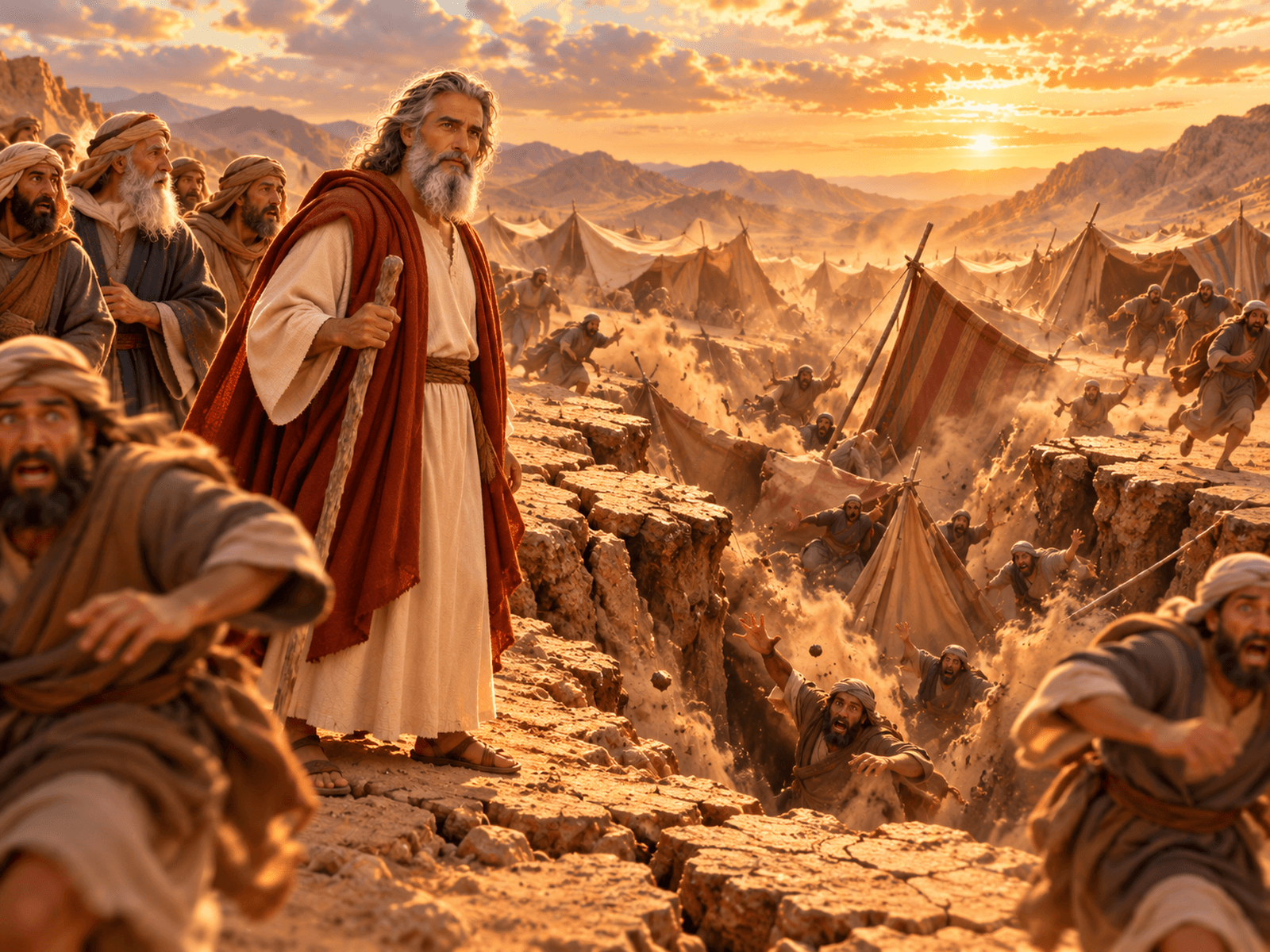
Illustrated scene from Moses's story: Israel Refuses to Enter the Land (Deuteronomy 1:26–46)
Meet the people of the Bible
Follow their lives in order, with illustrated scenes and Bible passages that tell their stories.
 Moses

Photo: Diego Delso, via Wikimedia Commons. License: CC BY-SA 3.0. Source. Location: Tell es-Sultan, Jericho, West Bank. Resized for the web.
Explore the places of the Bible
See where biblical events happened, why each place matters, and what archaeology helps us understand.
Jericho
The city of palm trees, whose walls fell in Joshua's day.
Get full access with one subscription
Explore the people and places of the Bible. Read summaries of every book, with images and clear explanations covering every chapter. Access all these features and our Bible study tools with one subscription.
See PlansAsk AI about Deuteronomy 1:27
Ask a question about this verse and get a clear answer, with Bible references you can read for yourself.
Every Bible book, explained chapter by chapter
Explore summaries of every book of the Bible, with images and easy-to-understand explanations covering every chapter.
Keep studying Deuteronomy 1:27
Related Bible verses
At a Glance — the Book of Deuteronomy
- Author
- Traditionally attributed to Moses
- Written
- Around 1400 BC
- Genre
- Law (Pentateuch)
- Original Audience
- The Israelites about to enter the Promised Land
Frequently Asked Questions
Quick, clear answers about this verse
What does Deuteronomy 1:27 mean?
Deuteronomy 1:27 describes the Israelites expressing their fears and frustrations while in their tents. They believed that God hated them and had brought them out of Egypt only to let them be defeated by the Amorites, reflecting their lack of trust in God's intentions.
What is the significance of grumbling in Deuteronomy 1:27?
The grumbling in Deuteronomy 1:27 highlights the Israelites' doubts and fears during a challenging time. It serves as a reminder of how easily people can forget God's past blessings and miracles when faced with difficulties.
What does the phrase 'the LORD hates us' in Deuteronomy 1:27 mean?
The phrase 'the LORD hates us' in Deuteronomy 1:27 reflects the Israelites' misguided perception of God's feelings towards them. It shows their fear and misunderstanding of God's purpose in their journey, leading them to believe they were abandoned.
What lesson can we learn from Deuteronomy 1:27?
Deuteronomy 1:27 teaches the importance of maintaining faith and trust in God during tough times. It encourages individuals to remember past blessings and to seek support from others instead of succumbing to doubt and fear.
Daily Verse — straight to your inbox
A verse and a 2-sentence plain-English explanation, every morning. Free. Unsubscribe anytime.