Old Testament
Deuteronomy 1:28
Read the Bible in clear, modern English—easy to understand, faithful to the meaning, and written for everyday readers.
Where are we supposed to go? Our own scouts have terrified us! They said the people there are bigger and taller than we are, the cities are massive with walls reaching to the sky, and they even saw descendants of the Anakim there!"
Compare translations
Whither shall we go up? our brethren have discouraged our heart, saying, The people is greater and taller than we; the cities are great and walled up to heaven; and moreover we have seen the sons of the Anakims there.
What Deuteronomy 1:28 means
Plain-English insight for readers
In this passage, the people are expressing their fear and uncertainty about entering a new land. They have sent scouts to explore, but the reports they received were alarming. The scouts described the inhabitants as giants, and the cities as fortified and intimidating. This news has left the people feeling discouraged and overwhelmed. They are questioning their ability to conquer such formidable challenges. The mention of the Anakim, a race of giants, adds to their fear. This moment captures a common human experience: facing the unknown can be daunting, especially when we feel outmatched. It’s a reminder that fear can cloud our judgment and lead us to doubt our potential. Instead of focusing on their strengths and the promise of the land, they are fixated on their fears and limitations. This passage encourages us to confront our fears and trust in our abilities, even when the odds seem stacked against us. It’s a call to look beyond our immediate fears and remember the bigger picture of hope and possibility.
How to apply Deuteronomy 1:28 to your life
When faced with daunting challenges, it's easy to feel overwhelmed and discouraged. Instead of letting fear dictate your actions, take a moment to reflect on your strengths and past successes. Remember that every challenge is an opportunity for growth and learning. Trust in your abilities and take that first step forward, despite your fears. You are capable of more than you think, so embrace the journey ahead with courage and hope.
Curated for this public verse page. Deuteronomy Summary
Learn the Bible through its people and places
Get to know the people in Scripture through illustrated stories, and explore the places where they lived and traveled.
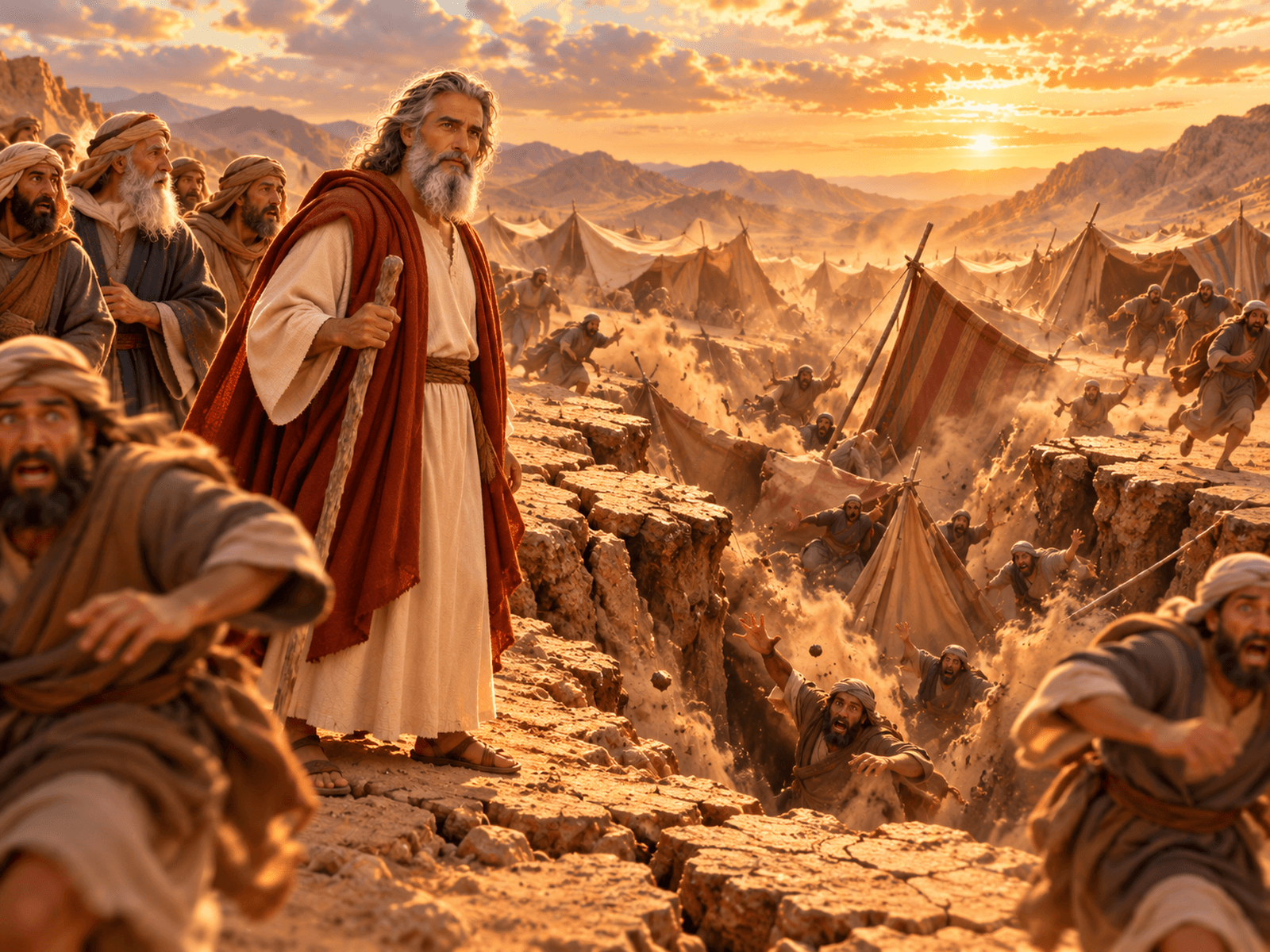
Illustrated scene from Moses's story: Israel Refuses to Enter the Land (Deuteronomy 1:26–46)
Meet the people of the Bible
Follow their lives in order, with illustrated scenes and Bible passages that tell their stories.
 Moses

Photo: Diego Delso, via Wikimedia Commons. License: CC BY-SA 3.0. Source. Location: Tell es-Sultan, Jericho, West Bank. Resized for the web.
Explore the places of the Bible
See where biblical events happened, why each place matters, and what archaeology helps us understand.
Jericho
The city of palm trees, whose walls fell in Joshua's day.
Get full access with one subscription
Explore the people and places of the Bible. Read summaries of every book, with images and clear explanations covering every chapter. Access all these features and our Bible study tools with one subscription.
See PlansAsk AI about Deuteronomy 1:28
Ask a question about this verse and get a clear answer, with Bible references you can read for yourself.
Every Bible book, explained chapter by chapter
Explore summaries of every book of the Bible, with images and easy-to-understand explanations covering every chapter.
Keep studying Deuteronomy 1:28
Related Bible verses
At a Glance — the Book of Deuteronomy
- Author
- Traditionally attributed to Moses
- Written
- Around 1400 BC
- Genre
- Law (Pentateuch)
- Original Audience
- The Israelites about to enter the Promised Land
Frequently Asked Questions
Quick, clear answers about this verse
What does Deuteronomy 1:28 mean?
Deuteronomy 1:28 reflects the fear and discouragement of the Israelites as they consider entering a new land. They express concern over the size and strength of the inhabitants and the fortified cities, which leads them to doubt their ability to succeed.
What is the significance of the Anakim in Deuteronomy 1:28?
The Anakim are mentioned in Deuteronomy 1:28 as a race of giants, symbolizing the overwhelming challenges the Israelites feel they face. Their presence adds to the fear and discouragement that the scouts report back to the people.
What does the phrase 'cities are great and walled up to heaven' mean in Deuteronomy 1:28?
The phrase 'cities are great and walled up to heaven' in Deuteronomy 1:28 emphasizes the impressive and intimidating fortifications of the cities in the promised land. It illustrates the perceived insurmountable obstacles the Israelites believe they must overcome.
How does Deuteronomy 1:28 relate to facing challenges?
Deuteronomy 1:28 illustrates a common human experience of fear when facing challenges. It serves as a reminder that fear can lead to doubt and discouragement, highlighting the importance of courage and faith in overcoming obstacles.
Daily Verse — straight to your inbox
A verse and a 2-sentence plain-English explanation, every morning. Free. Unsubscribe anytime.