Old Testament
Deuteronomy 1:46
Read the Bible in clear, modern English—easy to understand, faithful to the meaning, and written for everyday readers.
So you stayed at Kadesh for a long time — as long as you remained there.
Compare translations
So ye abode in Kadesh many days, according unto the days that ye abode there.
What Deuteronomy 1:46 means
Plain-English insight for readers
In this verse, we see the Israelites spending a significant amount of time at Kadesh. This location became a sort of waiting room for them, a place where they lingered while they were supposed to be moving forward. Their extended stay reflects a moment of pause in their journey, highlighting the importance of timing in life. Sometimes, we find ourselves in situations where we feel stuck, just like the Israelites. It’s a reminder that our journeys can have unexpected delays, and we must learn to navigate these moments. The time spent at Kadesh was not wasted; it was a chance for reflection and preparation for what lay ahead. This verse encourages us to consider how we use our waiting periods and what we can learn during those times. Are we growing, learning, or simply passing time? The Israelites' experience at Kadesh teaches us that every moment, even the seemingly stagnant ones, can be valuable in shaping our future paths. We should embrace these times and seek growth.
How to apply Deuteronomy 1:46 to your life
When you find yourself in a waiting period, take a moment to reflect on what you can learn. Use this time to prepare for the next steps in your life. Remember, even pauses can lead to growth and new insights. Embrace the journey, even when it feels slow or stagnant. Every moment counts in shaping your future!
Curated for this public verse page. Deuteronomy Summary
Learn the Bible through its people and places
Get to know the people in Scripture through illustrated stories, and explore the places where they lived and traveled.
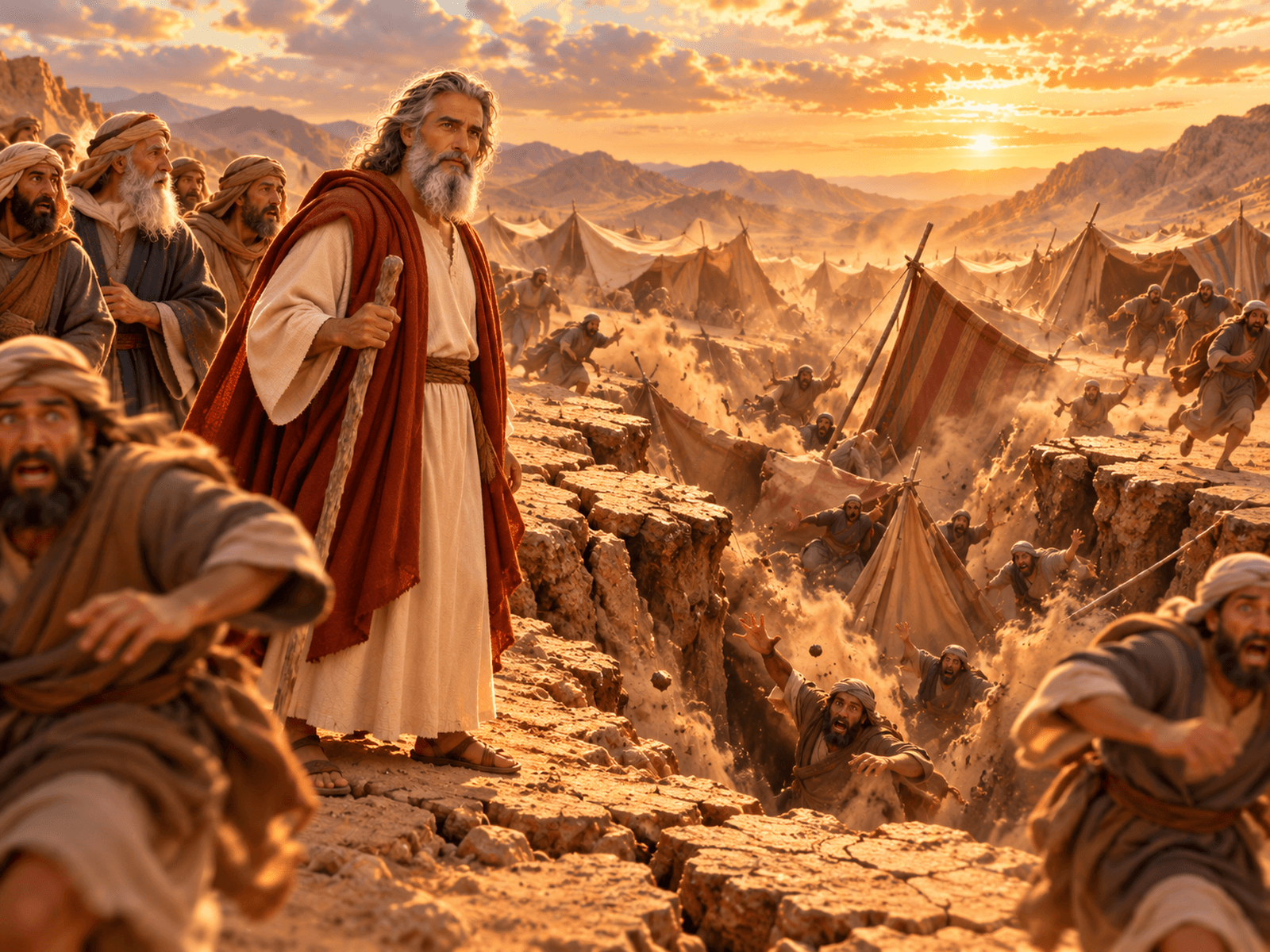
Illustrated scene from Moses's story: Israel Refuses to Enter the Land (Deuteronomy 1:26–46)
Meet the people of the Bible
Follow their lives in order, with illustrated scenes and Bible passages that tell their stories.
 Moses

Photo: Diego Delso, via Wikimedia Commons. License: CC BY-SA 3.0. Source. Location: Tell es-Sultan, Jericho, West Bank. Resized for the web.
Explore the places of the Bible
See where biblical events happened, why each place matters, and what archaeology helps us understand.
Jericho
The city of palm trees, whose walls fell in Joshua's day.
Get full access with one subscription
Explore the people and places of the Bible. Read summaries of every book, with images and clear explanations covering every chapter. Access all these features and our Bible study tools with one subscription.
See PlansAsk AI about Deuteronomy 1:46
Ask a question about this verse and get a clear answer, with Bible references you can read for yourself.
Every Bible book, explained chapter by chapter
Explore summaries of every book of the Bible, with images and easy-to-understand explanations covering every chapter.
Keep studying Deuteronomy 1:46
Related Bible verses
At a Glance — the Book of Deuteronomy
- Author
- Traditionally attributed to Moses
- Written
- Around 1400 BC
- Genre
- Law (Pentateuch)
- Original Audience
- The Israelites about to enter the Promised Land
Frequently Asked Questions
Quick, clear answers about this verse
What does Deuteronomy 1:46 mean?
Deuteronomy 1:46 describes the Israelites' prolonged stay at Kadesh, indicating a significant pause in their journey. This verse highlights the importance of timing and reflection during periods of waiting.
What is the significance of Kadesh in Deuteronomy 1:46?
Kadesh serves as a pivotal location where the Israelites lingered, symbolizing a moment of pause in their journey. It represents a time for reflection and preparation before moving forward.
What can we learn from Deuteronomy 1:46 about waiting?
Deuteronomy 1:46 teaches that waiting periods can be valuable for growth and reflection. It encourages us to use such times wisely, focusing on learning and preparing for future opportunities.
How does Deuteronomy 1:46 relate to personal growth?
This verse illustrates that even in moments of stagnation, like the Israelites at Kadesh, there is potential for personal growth and insight. It reminds us to embrace waiting periods as opportunities for development.
Daily Verse — straight to your inbox
A verse and a 2-sentence plain-English explanation, every morning. Free. Unsubscribe anytime.