Old Testament
Deuteronomy 1:6
Read the Bible in clear, modern English—easy to understand, faithful to the meaning, and written for everyday readers.
"The LORD our God spoke to us at Horeb and said, 'You've stayed at this mountain long enough.
Compare translations
The LORD our God spake unto us in Horeb, saying, Ye have dwelt long enough in this mount:
What Deuteronomy 1:6 means
Plain-English insight for readers
In this passage, God addresses the people who have been camped at Horeb for a long time. He tells them that it’s time to move on. This moment is significant because it marks a transition from a period of waiting to one of action. God recognizes that they have been in one place long enough, and now they need to take the next step in their journey. This call to move forward is not just about physical relocation; it symbolizes growth and progress in their lives. It’s a reminder that sometimes we can become too comfortable in our routines, and we need to be open to change. God encourages us to embrace new opportunities and challenges, trusting that He will guide us. This message is relevant for anyone feeling stuck or hesitant about making a change. It’s a gentle nudge to step out in faith and explore what lies ahead, knowing that God is with us every step of the way. Change can be daunting, but it can also lead to new beginnings and experiences that enrich our lives and faith.
How to apply Deuteronomy 1:6 to your life
Reflect on areas in your life where you feel stuck. Consider what changes you might need to make to move forward. Embrace the idea that growth often requires stepping out of your comfort zone. Trust that God is guiding you into new opportunities and experiences. Take that first step today, no matter how small it may seem.
Curated for this public verse page. Deuteronomy Summary
Learn the Bible through its people and places
Get to know the people in Scripture through illustrated stories, and explore the places where they lived and traveled.
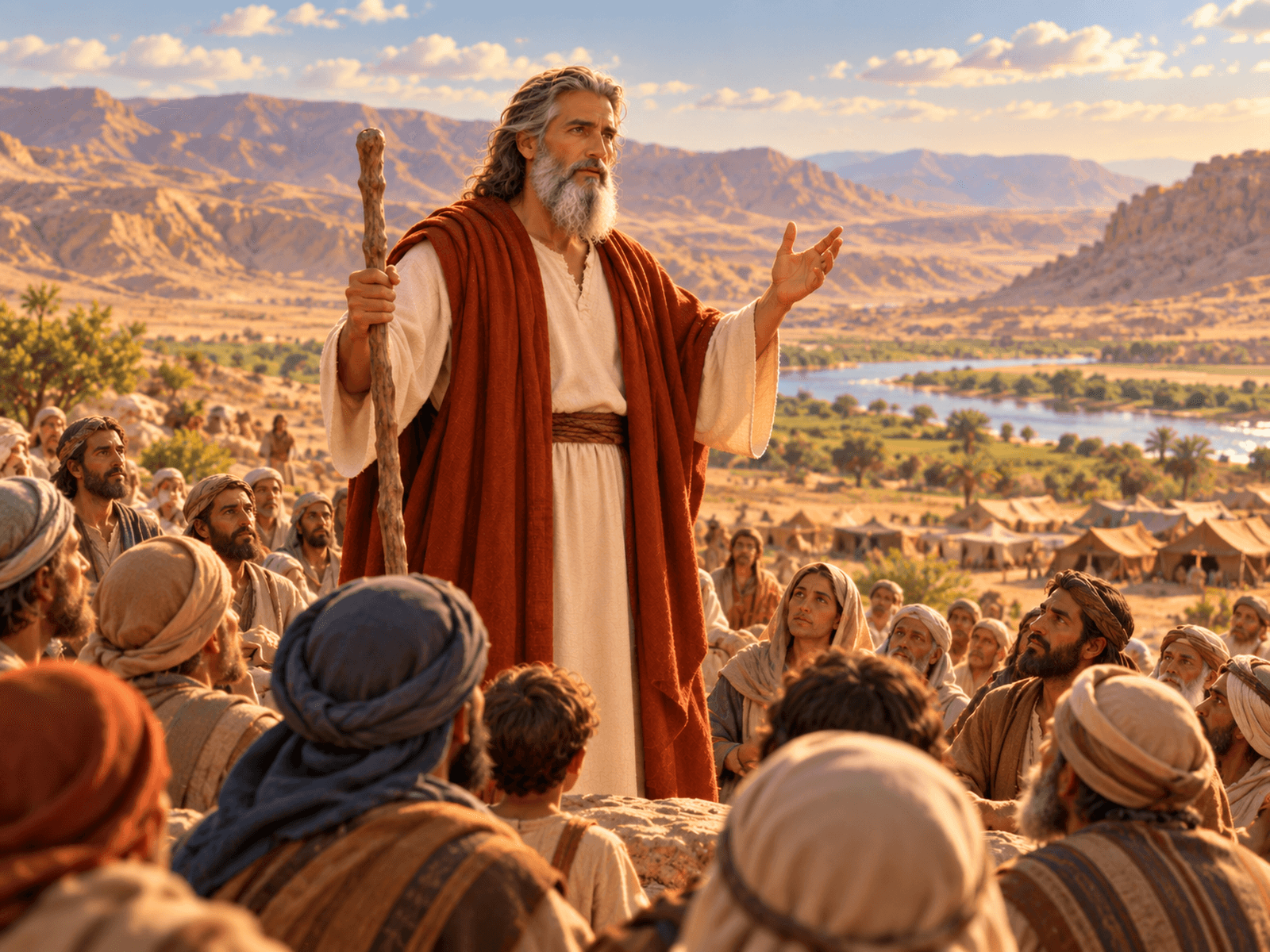
Illustrated scene from Moses's story: Moses Teaches Israel Again (Deuteronomy 1:1–8)
Meet the people of the Bible
Follow their lives in order, with illustrated scenes and Bible passages that tell their stories.
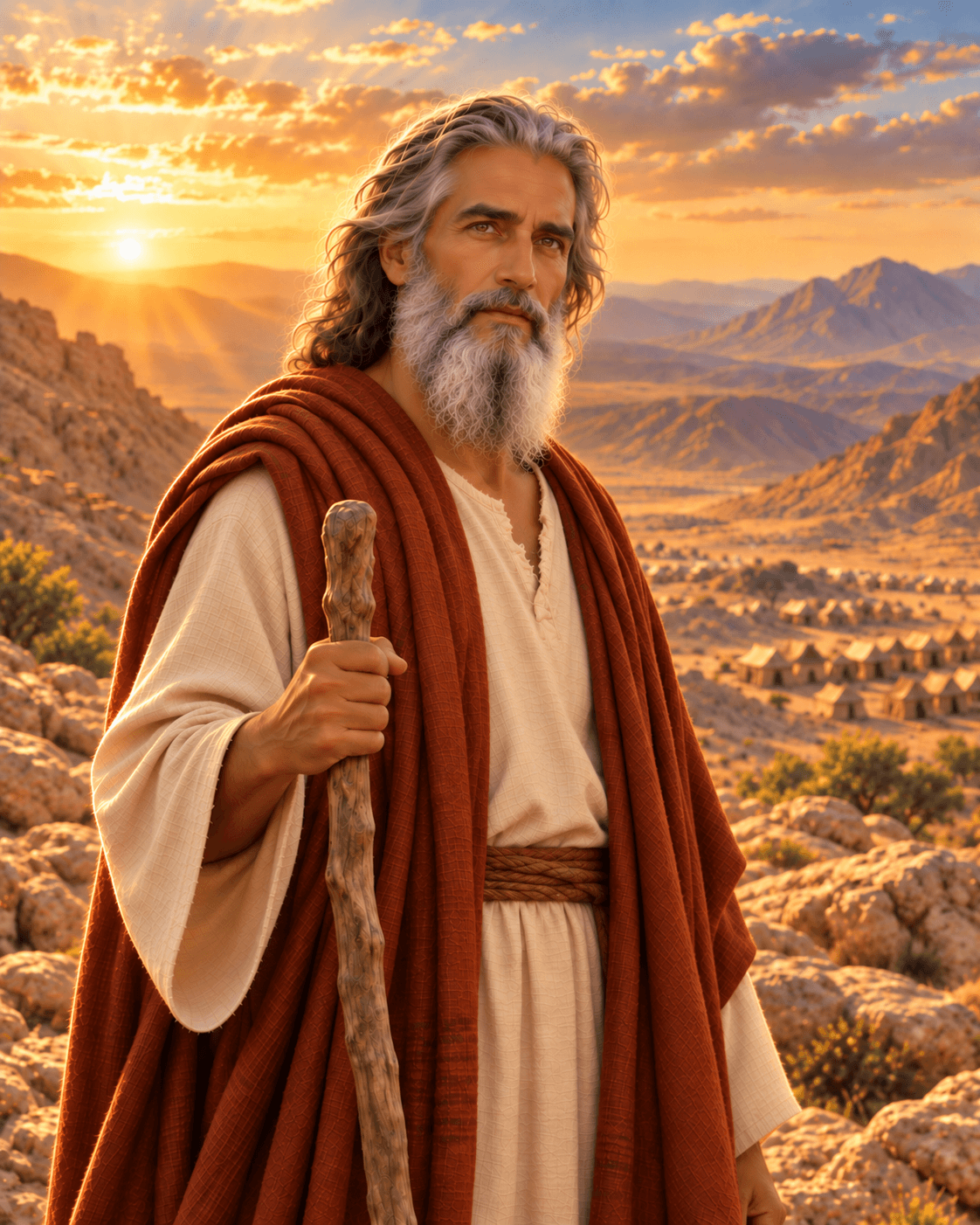 Moses
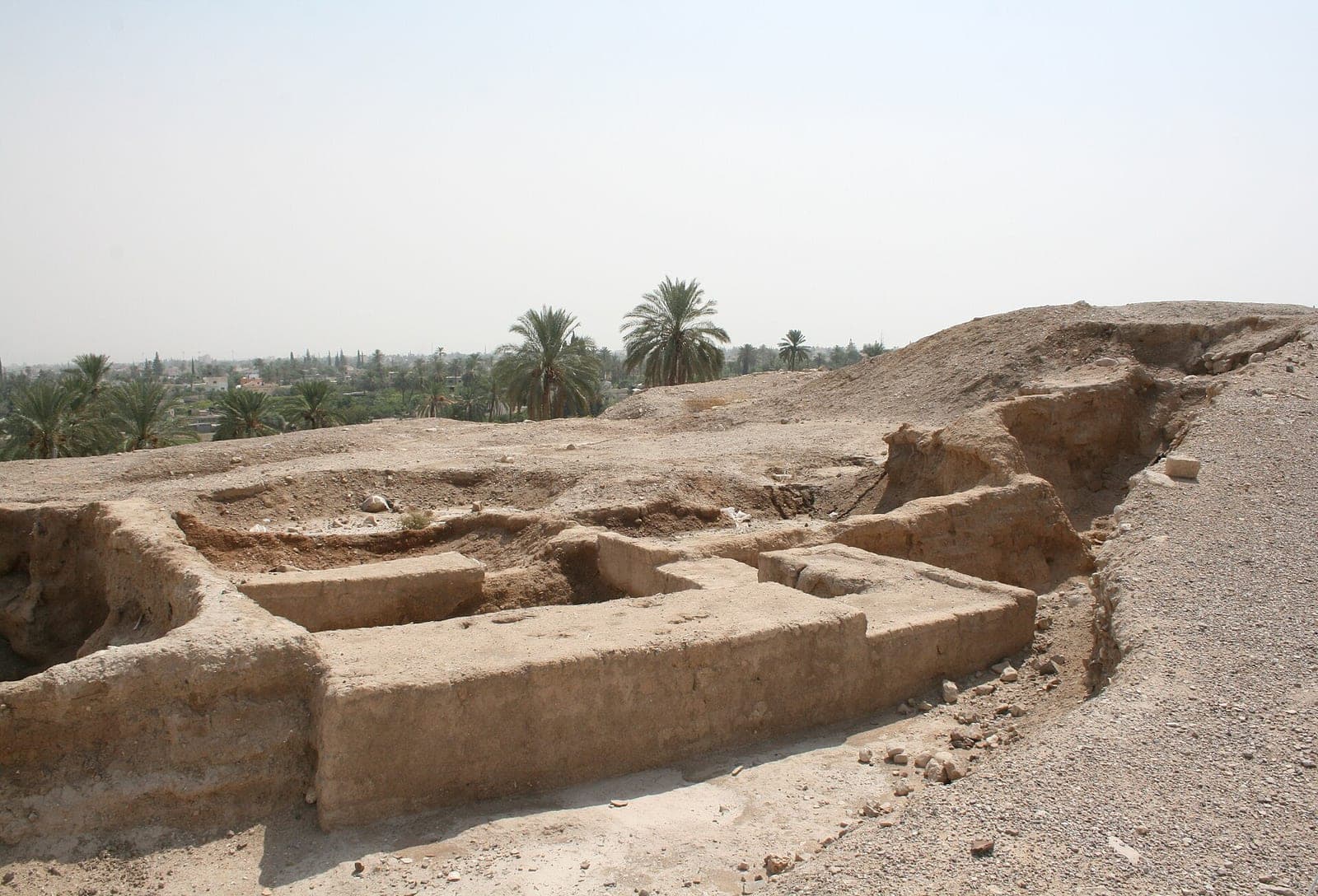
Photo: Diego Delso, via Wikimedia Commons. License: CC BY-SA 3.0. Source. Location: Tell es-Sultan, Jericho, West Bank. Resized for the web.
Explore the places of the Bible
See where biblical events happened, why each place matters, and what archaeology helps us understand.
Jericho
The city of palm trees, whose walls fell in Joshua's day.
Get full access with one subscription
Explore the people and places of the Bible. Read summaries of every book, with images and clear explanations covering every chapter. Access all these features and our Bible study tools with one subscription.
See PlansAsk AI about Deuteronomy 1:6
Ask a question about this verse and get a clear answer, with Bible references you can read for yourself.
Every Bible book, explained chapter by chapter
Explore summaries of every book of the Bible, with images and easy-to-understand explanations covering every chapter.
Keep studying Deuteronomy 1:6
Related Bible verses
Related topics
At a Glance — the Book of Deuteronomy
- Author
- Traditionally attributed to Moses
- Written
- Around 1400 BC
- Genre
- Law (Pentateuch)
- Original Audience
- The Israelites about to enter the Promised Land
Frequently Asked Questions
Quick, clear answers about this verse
What does Deuteronomy 1:6 mean?
Deuteronomy 1:6 conveys God's message to the Israelites that they have lingered at Horeb long enough and need to move forward. It signifies a transition from a period of waiting to taking action in their journey.
What is the significance of Horeb in Deuteronomy 1:6?
Horeb is significant as it represents a place of receiving God's guidance and instruction. In this verse, it marks the end of a stationary phase for the Israelites, urging them to progress in their journey.
What does 'dwelt long enough' mean in Deuteronomy 1:6?
'Dwelt long enough' indicates that the Israelites have become too comfortable in one place and need to embrace change. It serves as a reminder that growth often requires moving beyond familiar surroundings.
How can Deuteronomy 1:6 apply to my life?
Deuteronomy 1:6 can apply to your life by encouraging you to identify areas where you feel stuck and consider making changes. It reminds you that growth often requires stepping out of your comfort zone and trusting in God's guidance.
Daily Verse — straight to your inbox
A verse and a 2-sentence plain-English explanation, every morning. Free. Unsubscribe anytime.