Old Testament
Deuteronomy 16:8
Read the Bible in clear, modern English—easy to understand, faithful to the meaning, and written for everyday readers.
Eat unleavened bread for 6 days. On the 7th day, hold a sacred assembly for the LORD your God, and do no work that day.
Compare translations
Six days thou shalt eat unleavened bread: and on the seventh day shall be a solemn assembly to the LORD thy God: thou shalt do no work therein.
What Deuteronomy 16:8 means
Plain-English insight for readers
In this passage, God instructs the people to eat unleavened bread for six days, which symbolizes purity and freedom from sin. The seventh day is set apart as a sacred time to gather and worship God, emphasizing the importance of rest and reflection. This day is not for work but for honoring God and coming together as a community. The act of eating unleavened bread serves as a reminder of their escape from slavery in Egypt, highlighting the significance of their history and relationship with God. By following these instructions, the people are encouraged to remember their past and celebrate their identity as a chosen people. This practice fosters a sense of unity and devotion, reinforcing their commitment to God and His commandments. Overall, this passage teaches the value of setting aside time for worship and the importance of maintaining spiritual traditions that connect them to their heritage and faith. It invites individuals to reflect on their own lives and the significance of dedicating time to God.
How to apply Deuteronomy 16:8 to your life
Consider setting aside a day each week for rest and reflection. Use this time to connect with your community and engage in activities that honor your values. Reflect on your personal history and how it shapes your identity today. Embrace traditions that bring you closer to your beliefs and community spirit.
Curated for this public verse page. Deuteronomy Summary
Explore more of the Bible
Learn the Bible through its people and places
Get to know the people in Scripture through illustrated stories, and explore the places where they lived and traveled.

Illustrated scene from Moses's story: Israel Enslaved in Egypt (Exodus 1:8–22)
Meet the people of the Bible
Follow their lives in order, with illustrated scenes and Bible passages that tell their stories.
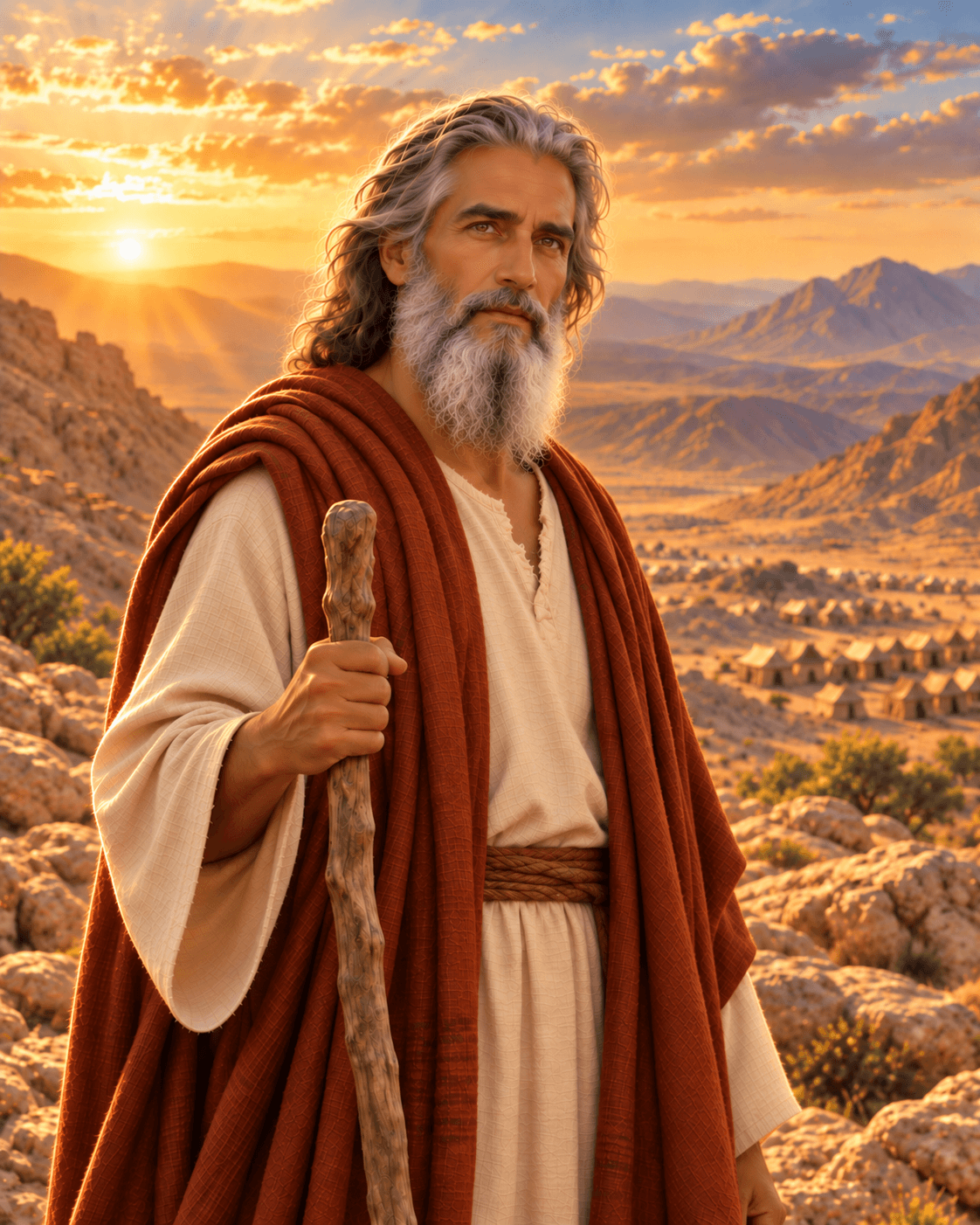 Moses
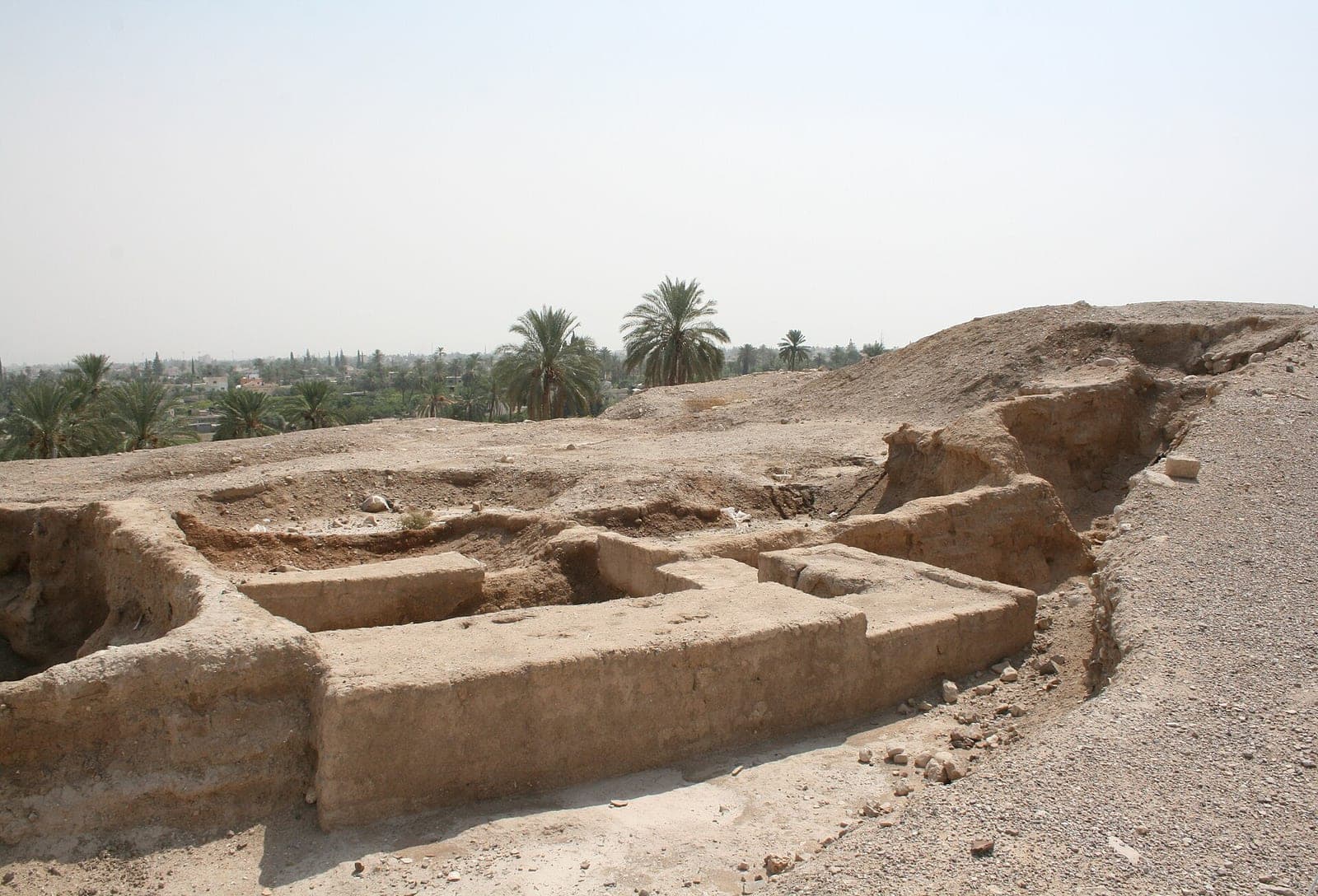
Photo: Diego Delso, via Wikimedia Commons. License: CC BY-SA 3.0. Source. Location: Tell es-Sultan, Jericho, West Bank. Resized for the web.
Explore the places of the Bible
See where biblical events happened, why each place matters, and what archaeology helps us understand.
Jericho
The city of palm trees, whose walls fell in Joshua's day.
Get full access with one subscription
Explore the people and places of the Bible. Read summaries of every book, with images and clear explanations covering every chapter. Access all these features and our Bible study tools with one subscription.
See PlansAsk AI about Deuteronomy 16:8
Ask a question about this verse and get a clear answer, with Bible references you can read for yourself.
Every Bible book, explained chapter by chapter
Explore summaries of every book of the Bible, with images and easy-to-understand explanations covering every chapter.
Keep studying Deuteronomy 16:8
Related Bible verses
Key themes
At a Glance — the Book of Deuteronomy
- Author
- Traditionally attributed to Moses
- Written
- Around 1400 BC
- Genre
- Law (Pentateuch)
- Original Audience
- The Israelites about to enter the Promised Land
Frequently Asked Questions
Quick, clear answers about this verse
What does Deuteronomy 16:8 mean?
Deuteronomy 16:8 instructs the Israelites to eat unleavened bread for six days and to hold a sacred assembly on the seventh day. This emphasizes the importance of purity, rest, and communal worship in their relationship with God.
What is the significance of unleavened bread in Deuteronomy 16:8?
Unleavened bread symbolizes purity and freedom from sin, reminding the Israelites of their escape from slavery in Egypt. Eating it for six days serves as a spiritual practice that connects them to their history and faith.
What is the purpose of the sacred assembly mentioned in Deuteronomy 16:8?
The sacred assembly on the seventh day is meant for worshiping God and gathering as a community. It highlights the importance of taking time to rest and reflect on their spiritual commitments.
Why is no work allowed on the seventh day in Deuteronomy 16:8?
No work is allowed on the seventh day to emphasize the importance of rest and worship. This day is dedicated to honoring God and fostering community, allowing individuals to focus on their spiritual lives.
Daily Verse — straight to your inbox
A verse and a 2-sentence plain-English explanation, every morning. Free. Unsubscribe anytime.