Old Testament
Deuteronomy 2:35
Read the Bible in clear, modern English—easy to understand, faithful to the meaning, and written for everyday readers.
The only things we kept for ourselves were the livestock and the plunder from the cities we captured.
Compare translations
Only the cattle we took for a prey unto ourselves, and the spoil of the cities which we took.
What Deuteronomy 2:35 means
Plain-English insight for readers
In this passage, the people took only the livestock and valuables from the cities they conquered. This reflects a moment of victory and the spoils of war. They were careful to leave behind what was not theirs, focusing on what they had earned through their efforts. The livestock and plunder symbolize not just material gain but also the fruits of their labor and struggle. It’s a reminder that in achieving our goals, we often have to make choices about what we keep and what we let go. The act of taking only what was necessary shows a sense of responsibility and respect for others. This moment highlights the importance of being mindful of our actions and the consequences they carry. It encourages us to reflect on what we truly value and how we can honor our achievements without overstepping boundaries. Ultimately, it’s about finding balance in our pursuits and recognizing the significance of our choices in shaping our lives and communities. This passage invites us to consider our own victories and what we choose to carry forward.
How to apply Deuteronomy 2:35 to your life
When you achieve something significant, think about what you truly need to keep. Reflect on your choices and their impact on others. Strive to honor your accomplishments while being mindful of the resources and relationships around you. Balance is key in all pursuits, both personal and communal. Choose wisely what you carry forward in life.
Curated for this public verse page. Deuteronomy Summary
Learn the Bible through its people and places
Get to know the people in Scripture through illustrated stories, and explore the places where they lived and traveled.
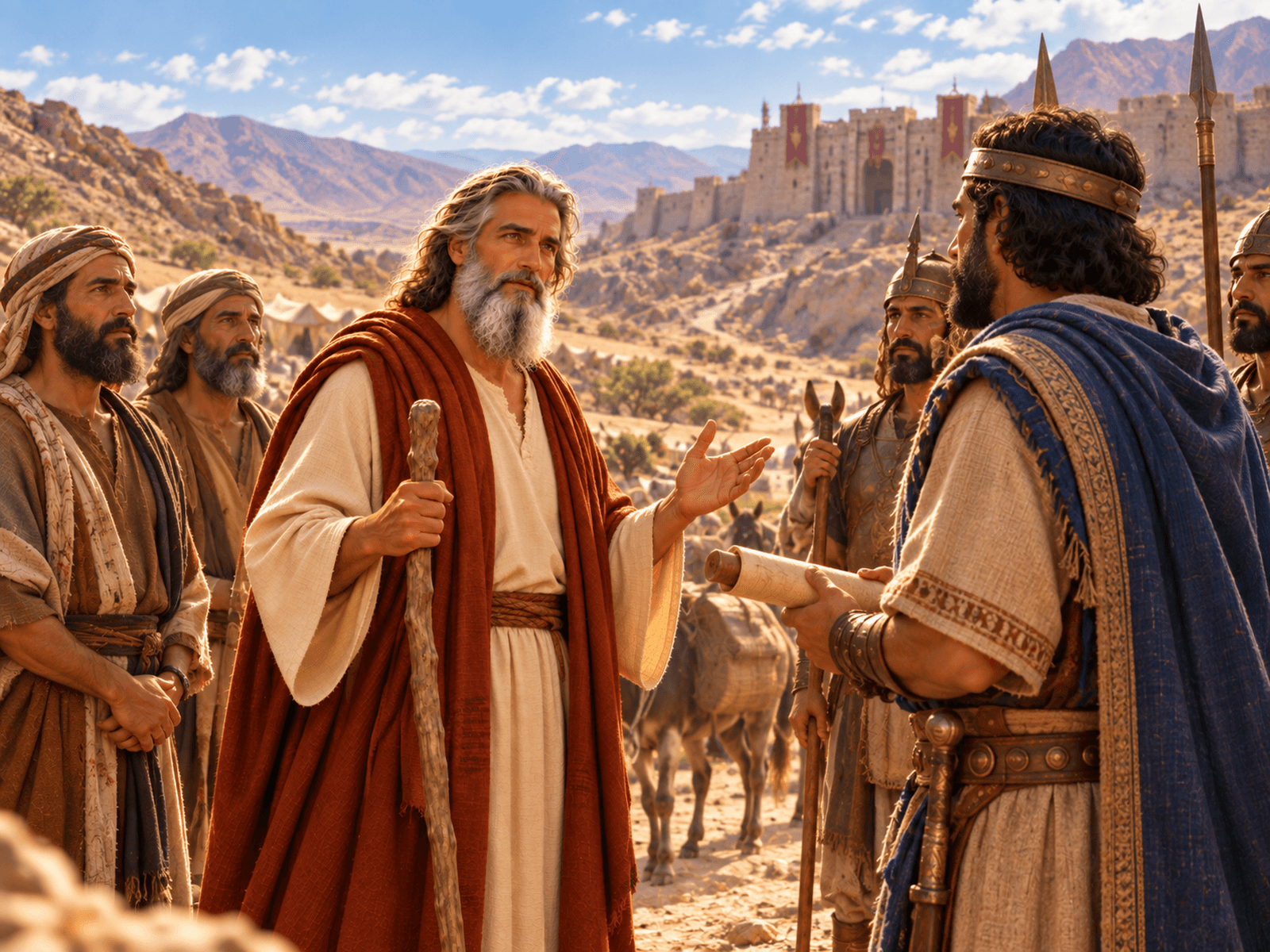
Illustrated scene from Moses's story: Victories over Sihon and Og (Deuteronomy 2:26–3:11)
Meet the people of the Bible
Follow their lives in order, with illustrated scenes and Bible passages that tell their stories.
 Moses

Photo: Photochrom print, Library of Congress Prints and Photographs Division (LCCN 2002724987). License: Public domain in the United States; Library of Congress states no known restrictions on publication. Source. Location: Hebron, West Bank; print preserved by the Library of Congress. Resized for the web.
Explore the places of the Bible
See where biblical events happened, why each place matters, and what archaeology helps us understand.
Hebron
Where Abraham lived and buried Sarah, and where David was first made king.
Get full access with one subscription
Explore the people and places of the Bible. Read summaries of every book, with images and clear explanations covering every chapter. Access all these features and our Bible study tools with one subscription.
See PlansAsk AI about Deuteronomy 2:35
Ask a question about this verse and get a clear answer, with Bible references you can read for yourself.
Every Bible book, explained chapter by chapter
Explore summaries of every book of the Bible, with images and easy-to-understand explanations covering every chapter.
Keep studying Deuteronomy 2:35
Related Bible verses
Key themes
Related topics
At a Glance — the Book of Deuteronomy
- Author
- Traditionally attributed to Moses
- Written
- Around 1400 BC
- Genre
- Law (Pentateuch)
- Original Audience
- The Israelites about to enter the Promised Land
Frequently Asked Questions
Quick, clear answers about this verse
What does Deuteronomy 2:35 mean?
Deuteronomy 2:35 describes how the Israelites took only the livestock and valuables from the cities they conquered, emphasizing their focus on what they earned through their efforts. It highlights themes of victory and responsibility in their actions.
What is the significance of livestock in Deuteronomy 2:35?
In Deuteronomy 2:35, livestock represents the tangible rewards of the Israelites' victories, symbolizing both material gain and the fruits of their labor. It reflects their choices in what to keep from their conquests.
What does the term 'plunder' refer to in this verse?
In Deuteronomy 2:35, 'plunder' refers to the valuables and goods taken from the conquered cities. It signifies the spoils of war that the Israelites kept for themselves after their victories.
What lessons can we learn from Deuteronomy 2:35?
Deuteronomy 2:35 teaches us about the importance of making mindful choices regarding what we keep after achieving success. It encourages reflection on our actions and their impact on others.
Daily Verse — straight to your inbox
A verse and a 2-sentence plain-English explanation, every morning. Free. Unsubscribe anytime.