Old Testament
Deuteronomy 2:37
Read the Bible in clear, modern English—easy to understand, faithful to the meaning, and written for everyday readers.
But we stayed away from the land of the Ammonites — the entire area along the Jabbok River, the hill country cities, and everywhere else the LORD our God had told us not to go.
Compare translations
Only unto the land of the children of Ammon thou camest not, nor unto any place of the river Jabbok, nor unto the cities in the mountains, nor unto whatsoever the LORD our God forbad us.
What Deuteronomy 2:37 means
Plain-English insight for readers
In this passage, the Israelites are reflecting on their journey and the boundaries set by God. They specifically mention avoiding the land of the Ammonites and the areas around the Jabbok River. This was a clear instruction from God, emphasizing the importance of obedience. The Israelites understood that there were places they should not enter, as these were forbidden by God. This decision to stay away was not just about geography; it was about respecting divine guidance. By adhering to these boundaries, they demonstrated their commitment to following God's will. This moment serves as a reminder that sometimes, avoiding certain paths is as crucial as choosing the right ones. It highlights the significance of listening to guidance and making choices that align with one's values and beliefs. The Israelites' journey was not just physical; it was also a spiritual lesson in trust and obedience to God’s direction, which is relevant for us today as we navigate our own lives.
How to apply Deuteronomy 2:37 to your life
Consider the boundaries in your own life. Are there areas or influences you need to avoid to stay true to your values? Reflect on the importance of listening to guidance, whether it comes from within or from trusted sources. Making wise choices can lead to a more fulfilling life experience. Trust in the process of following your path carefully and intentionally.
Curated for this public verse page. Deuteronomy Summary
Learn the Bible through its people and places
Get to know the people in Scripture through illustrated stories, and explore the places where they lived and traveled.
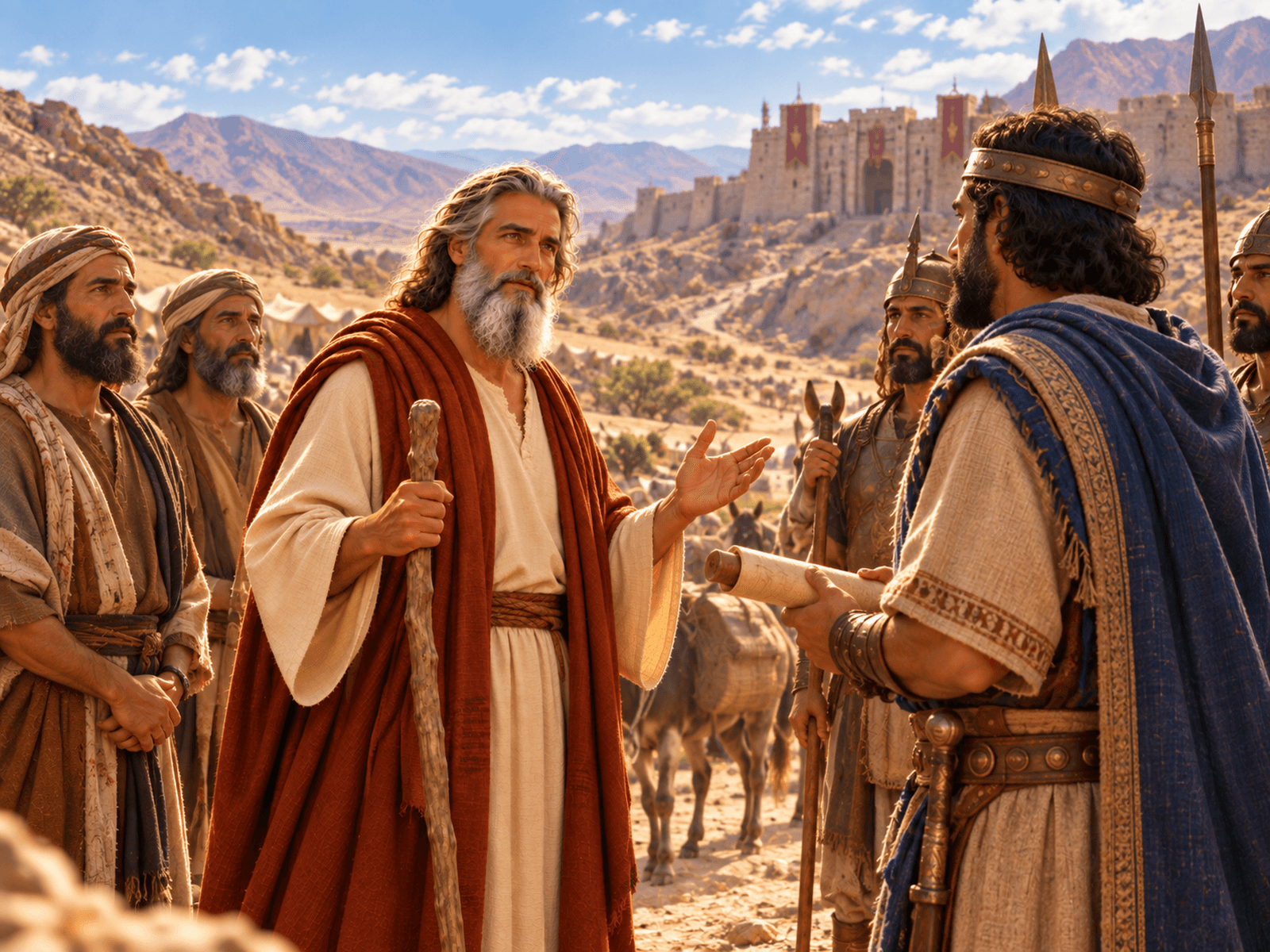
Illustrated scene from Moses's story: Victories over Sihon and Og (Deuteronomy 2:26–3:11)
Meet the people of the Bible
Follow their lives in order, with illustrated scenes and Bible passages that tell their stories.
 Moses

Photo: Photochrom print, Library of Congress Prints and Photographs Division (LCCN 2002724987). License: Public domain in the United States; Library of Congress states no known restrictions on publication. Source. Location: Hebron, West Bank; print preserved by the Library of Congress. Resized for the web.
Explore the places of the Bible
See where biblical events happened, why each place matters, and what archaeology helps us understand.
Hebron
Where Abraham lived and buried Sarah, and where David was first made king.
Get full access with one subscription
Explore the people and places of the Bible. Read summaries of every book, with images and clear explanations covering every chapter. Access all these features and our Bible study tools with one subscription.
See PlansAsk AI about Deuteronomy 2:37
Ask a question about this verse and get a clear answer, with Bible references you can read for yourself.
Every Bible book, explained chapter by chapter
Explore summaries of every book of the Bible, with images and easy-to-understand explanations covering every chapter.
Keep studying Deuteronomy 2:37
Related Bible verses
Key themes
Related topics
At a Glance — the Book of Deuteronomy
- Author
- Traditionally attributed to Moses
- Written
- Around 1400 BC
- Genre
- Law (Pentateuch)
- Original Audience
- The Israelites about to enter the Promised Land
Frequently Asked Questions
Quick, clear answers about this verse
What does Deuteronomy 2:37 mean?
Deuteronomy 2:37 reflects the Israelites' commitment to obey God's instructions by avoiding the land of the Ammonites and the surrounding areas. It emphasizes the importance of respecting divine boundaries and the significance of following God's guidance in their journey.
What is the significance of the Ammonites in Deuteronomy 2:37?
The Ammonites represent a group that God instructed the Israelites to avoid, highlighting the importance of obedience to divine commands. This avoidance illustrates the broader theme of respecting God's guidance and the consequences of straying from His instructions.
What does the Jabbok River symbolize in Deuteronomy 2:37?
In Deuteronomy 2:37, the Jabbok River symbolizes a boundary set by God that the Israelites were instructed not to cross. This reinforces the idea of adhering to divine limits and the importance of making choices that align with God's will.
Why did the Israelites avoid certain areas in Deuteronomy 2:37?
The Israelites avoided certain areas, including the land of the Ammonites and the Jabbok River, because God specifically forbade them from entering these places. This avoidance was a demonstration of their obedience and respect for God's commands.
Daily Verse — straight to your inbox
A verse and a 2-sentence plain-English explanation, every morning. Free. Unsubscribe anytime.