Old Testament
Deuteronomy 20:2
Read the Bible in clear, modern English—easy to understand, faithful to the meaning, and written for everyday readers.
Before the battle begins, the priest will step forward and address the troops.
Compare translations
And it shall be, when ye are come nigh unto the battle, that the priest shall approach and speak unto the people,
What Deuteronomy 20:2 means
Plain-English insight for readers
Before any battle, the priest plays a crucial role in preparing the soldiers. He steps forward to speak to the troops, reminding them of their purpose and the importance of their mission. This moment is not just about strategy; it’s about instilling courage and faith. The priest’s words serve to unify the soldiers, helping them focus on what lies ahead. He reassures them that they are not alone, and that they have divine support. This practice emphasizes the significance of spiritual readiness alongside physical preparation. It highlights the idea that battles are not just fought with weapons, but also with conviction and belief. The priest’s presence symbolizes hope and guidance, reminding everyone of their shared commitment to a greater cause. In this way, the soldiers are encouraged to face their challenges with confidence and strength, knowing they are part of something larger than themselves. This moment sets the tone for the battle, blending faith with action.
How to apply Deuteronomy 20:2 to your life
Before facing challenges, take a moment to reflect and gather your thoughts. Seek guidance from trusted sources, whether they are friends, mentors, or spiritual leaders. Remember that you are not alone in your struggles, and draw strength from your beliefs and community. This preparation can help you approach your challenges with confidence and clarity. Stay focused on your purpose as you move forward in life’s battles.
Curated for this public verse page. Deuteronomy Summary
Explore more of the Bible
Learn the Bible through its people and places
Get to know the people in Scripture through illustrated stories, and explore the places where they lived and traveled.

Illustrated scene from Noah's story: Noah Is Born (Genesis 5:28–32)
Meet the people of the Bible
Follow their lives in order, with illustrated scenes and Bible passages that tell their stories.
 Noah
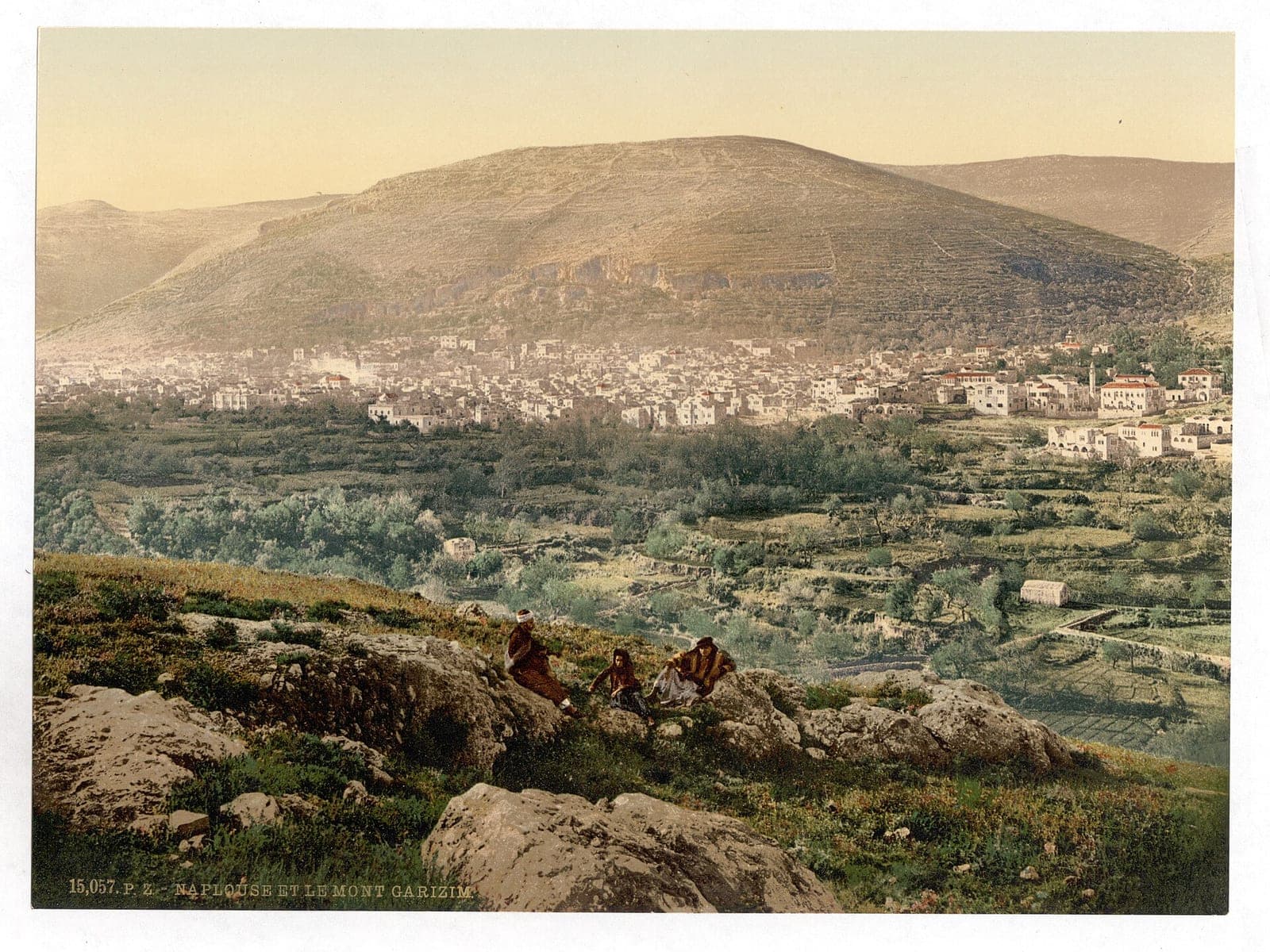
Photo: Photochrom print, Library of Congress Prints and Photographs Division (LCCN 2002725043). License: Public domain in the United States; Library of Congress states no known restrictions on publication. Source. Location: Nablus and Mount Gerizim, West Bank; print preserved by the Library of Congress. Resized for the web.
Explore the places of the Bible
See where biblical events happened, why each place matters, and what archaeology helps us understand.
Shechem
Where God promised the land to Abram, and where Joshua led Israel to renew the covenant.
Get full access with one subscription
Explore the people and places of the Bible. Read summaries of every book, with images and clear explanations covering every chapter. Access all these features and our Bible study tools with one subscription.
See PlansAsk AI about Deuteronomy 20:2
Ask a question about this verse and get a clear answer, with Bible references you can read for yourself.
Every Bible book, explained chapter by chapter
Explore summaries of every book of the Bible, with images and easy-to-understand explanations covering every chapter.
Keep studying Deuteronomy 20:2
Related Bible verses
At a Glance — the Book of Deuteronomy
- Author
- Traditionally attributed to Moses
- Written
- Around 1400 BC
- Genre
- Law (Pentateuch)
- Original Audience
- The Israelites about to enter the Promised Land
Frequently Asked Questions
Quick, clear answers about this verse
What does Deuteronomy 20:2 mean?
Deuteronomy 20:2 describes the role of the priest before a battle, emphasizing the importance of spiritual preparation for soldiers. The priest addresses the troops to remind them of their mission and to instill courage and faith as they prepare to face their challenges.
What is the significance of the priest in Deuteronomy 20:2?
The priest in Deuteronomy 20:2 serves as a spiritual leader who prepares the soldiers for battle. His presence and words are meant to unify the troops and provide them with confidence, reminding them that they have divine support in their endeavors.
How does Deuteronomy 20:2 apply to modern life?
Deuteronomy 20:2 teaches the value of seeking guidance and support before facing challenges. It encourages individuals to reflect, gather strength from their beliefs, and approach difficulties with confidence and clarity.
What themes are present in Deuteronomy 20:2?
Key themes in Deuteronomy 20:2 include spiritual preparation, courage, unity, faith, and guidance. These themes highlight the importance of mental and spiritual readiness in overcoming obstacles.
Daily Verse — straight to your inbox
A verse and a 2-sentence plain-English explanation, every morning. Free. Unsubscribe anytime.