Old Testament
Deuteronomy 22:6
Read the Bible in clear, modern English—easy to understand, faithful to the meaning, and written for everyday readers.
If you come across a bird's nest along the road — whether in a tree or on the ground — and the mother bird is sitting on her young or on her eggs, don't take the mother along with the young.
Compare translations
If a bird’s nest chance to be before thee in the way in any tree, or on the ground, whether they be young ones, or eggs, and the dam sitting upon the young, or upon the eggs, thou shalt not take the dam with the young:
What Deuteronomy 22:6 means
Plain-English insight for readers
This verse teaches us about compassion and respect for life, even in the smallest creatures. When you find a bird's nest, you should not take the mother bird along with her young or eggs. This reflects a deeper principle of caring for the vulnerable and protecting families. The mother bird is nurturing her young, and taking her away disrupts that bond. It’s a reminder to consider the impact of our actions on others, even in nature. By showing kindness to animals, we learn to appreciate the delicate balance of life. This principle can extend to how we treat people around us, emphasizing empathy and responsibility. Ultimately, it encourages us to act with integrity and thoughtfulness in all our interactions, big or small. Respecting life in all forms enriches our own lives and fosters a sense of community and connection with the world around us. It’s about making choices that reflect our values and care for others, whether they are human or animal. This verse invites us to reflect on our actions and their consequences.
How to apply Deuteronomy 22:6 to your life
When you encounter situations where your actions could harm others, pause and consider the consequences. Show kindness and protect those who are vulnerable. This principle can guide your interactions with people and animals alike, fostering a more compassionate world. Every small act of kindness counts and makes a difference in someone's life. Choose to be a protector and a nurturer in your community, reflecting these values daily.
Curated for this public verse page. Deuteronomy Summary
Explore more of the Bible
Learn the Bible through its people and places
Get to know the people in Scripture through illustrated stories, and explore the places where they lived and traveled.

Illustrated scene from David's story: Samuel Anoints David (1 Samuel 16:1–13)
Meet the people of the Bible
Follow their lives in order, with illustrated scenes and Bible passages that tell their stories.
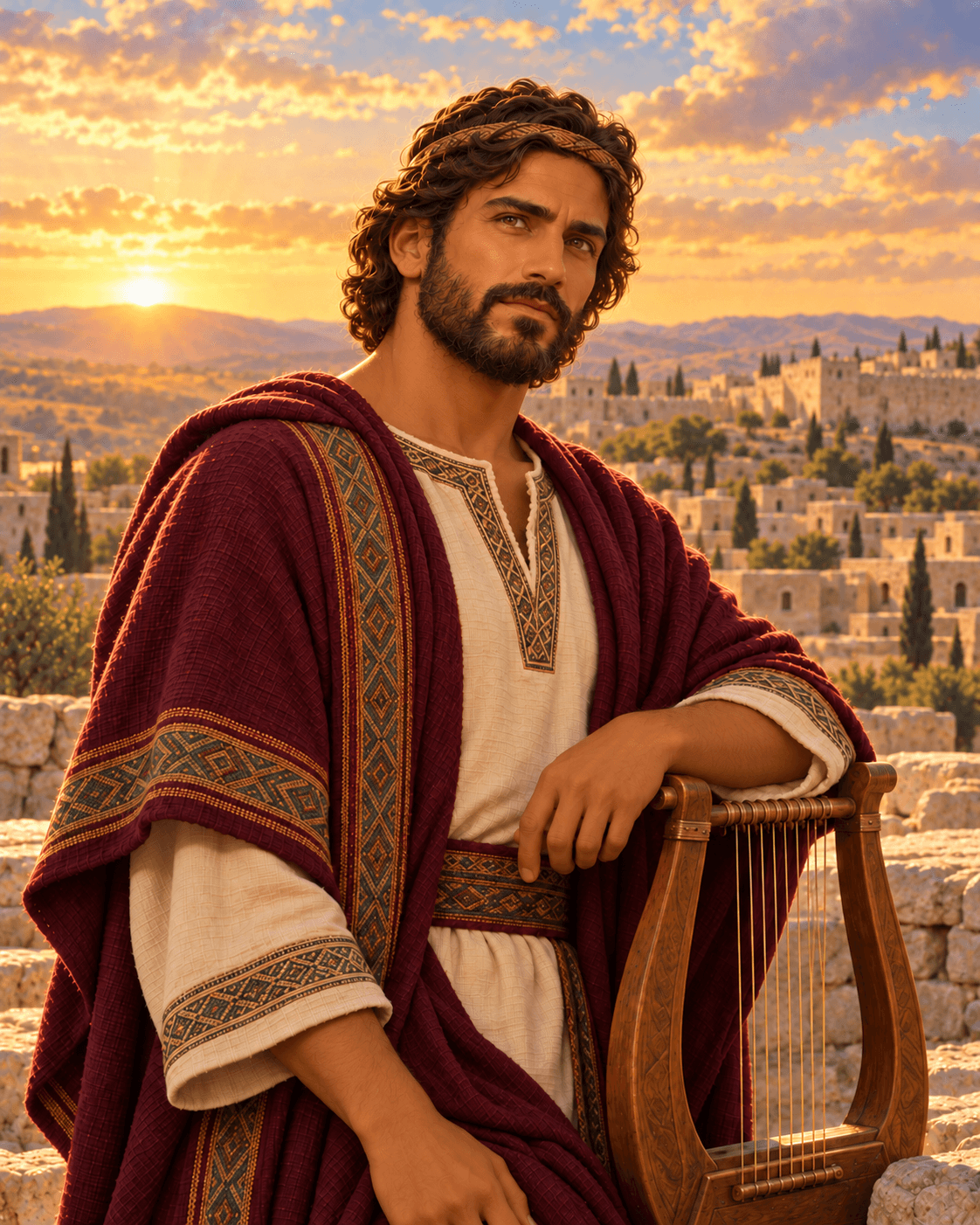 David
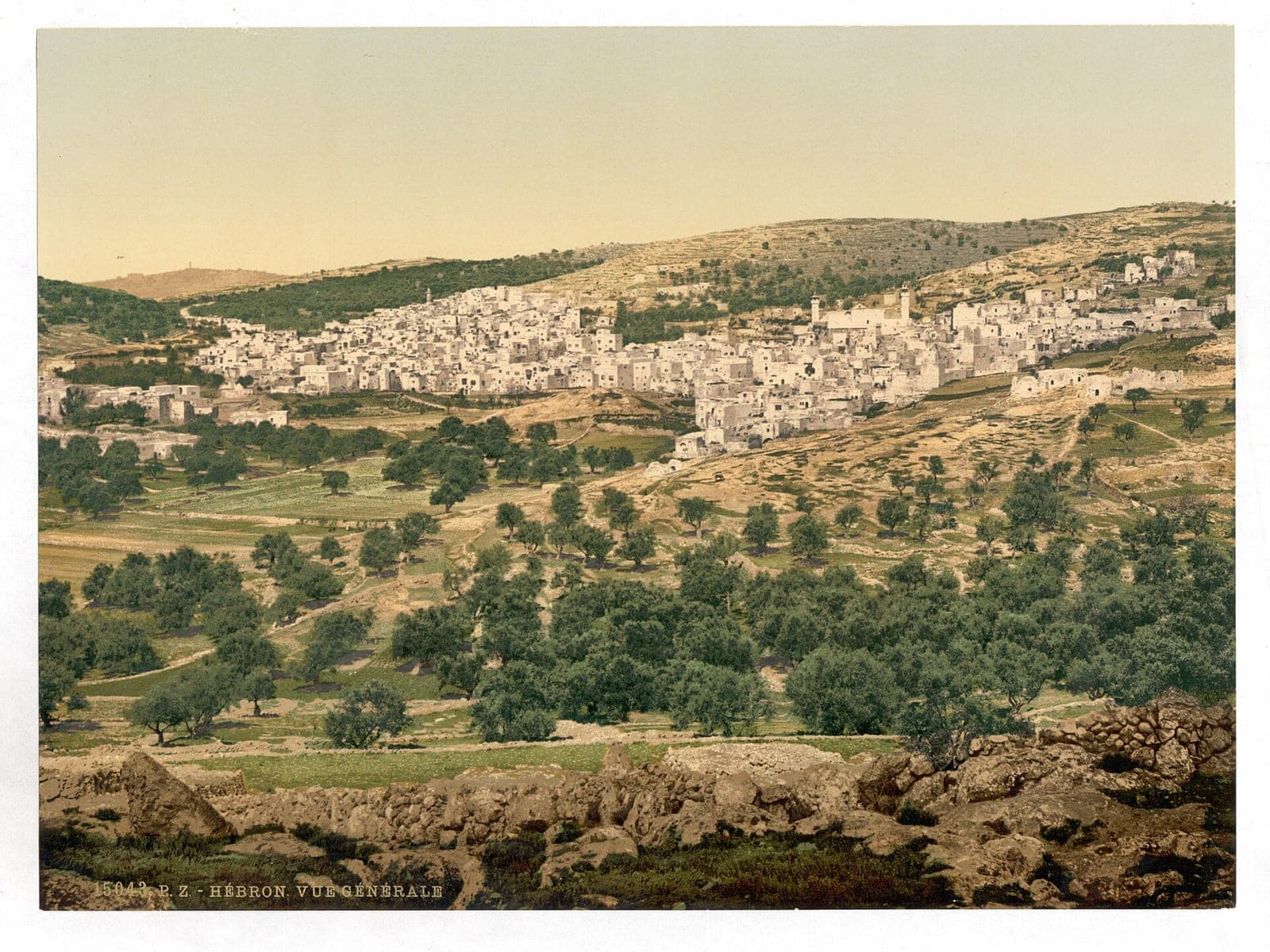
Photo: Photochrom print, Library of Congress Prints and Photographs Division (LCCN 2002724987). License: Public domain in the United States; Library of Congress states no known restrictions on publication. Source. Location: Hebron, West Bank; print preserved by the Library of Congress. Resized for the web.
Explore the places of the Bible
See where biblical events happened, why each place matters, and what archaeology helps us understand.
Hebron
Where Abraham lived and buried Sarah, and where David was first made king.
Get full access with one subscription
Explore the people and places of the Bible. Read summaries of every book, with images and clear explanations covering every chapter. Access all these features and our Bible study tools with one subscription.
See PlansAsk AI about Deuteronomy 22:6
Ask a question about this verse and get a clear answer, with Bible references you can read for yourself.
Every Bible book, explained chapter by chapter
Explore summaries of every book of the Bible, with images and easy-to-understand explanations covering every chapter.
Keep studying Deuteronomy 22:6
Related Bible verses
Key themes
Related topics
At a Glance — the Book of Deuteronomy
- Author
- Traditionally attributed to Moses
- Written
- Around 1400 BC
- Genre
- Law (Pentateuch)
- Original Audience
- The Israelites about to enter the Promised Land
Frequently Asked Questions
Quick, clear answers about this verse
What does Deuteronomy 22:6 mean?
Deuteronomy 22:6 teaches us to show compassion and respect for life by not taking a mother bird away from her young or eggs. This reflects a broader principle of caring for vulnerable beings and recognizing the importance of family bonds.
What is the meaning of compassion in Deuteronomy 22:6?
Compassion in Deuteronomy 22:6 is about understanding and respecting the nurturing role of the mother bird. It emphasizes the importance of protecting those who are vulnerable and considering the impact of our actions on others.
How does Deuteronomy 22:6 apply to everyday life?
Deuteronomy 22:6 encourages us to pause and consider the consequences of our actions, especially when they could harm others. It serves as a reminder to show kindness and protect the vulnerable in our daily interactions.
What lessons can we learn from Deuteronomy 22:6?
From Deuteronomy 22:6, we learn the importance of compassion, respect for life, and the responsibility we have to care for others. These lessons can guide our behavior towards both animals and people, fostering a more empathetic community.
Daily Verse — straight to your inbox
A verse and a 2-sentence plain-English explanation, every morning. Free. Unsubscribe anytime.